


We lose a certain amount of hair every day. But a few hairs left on the brush or falling out in the shower is not a problem yet. In this post, we figure out when thinning hair deserves your attention and talk about the potential causes of this. This is not a diagnosis, because you can’t make one at home. But after reading, you’ll at least know what to do next.
Why Does Hair Shed?
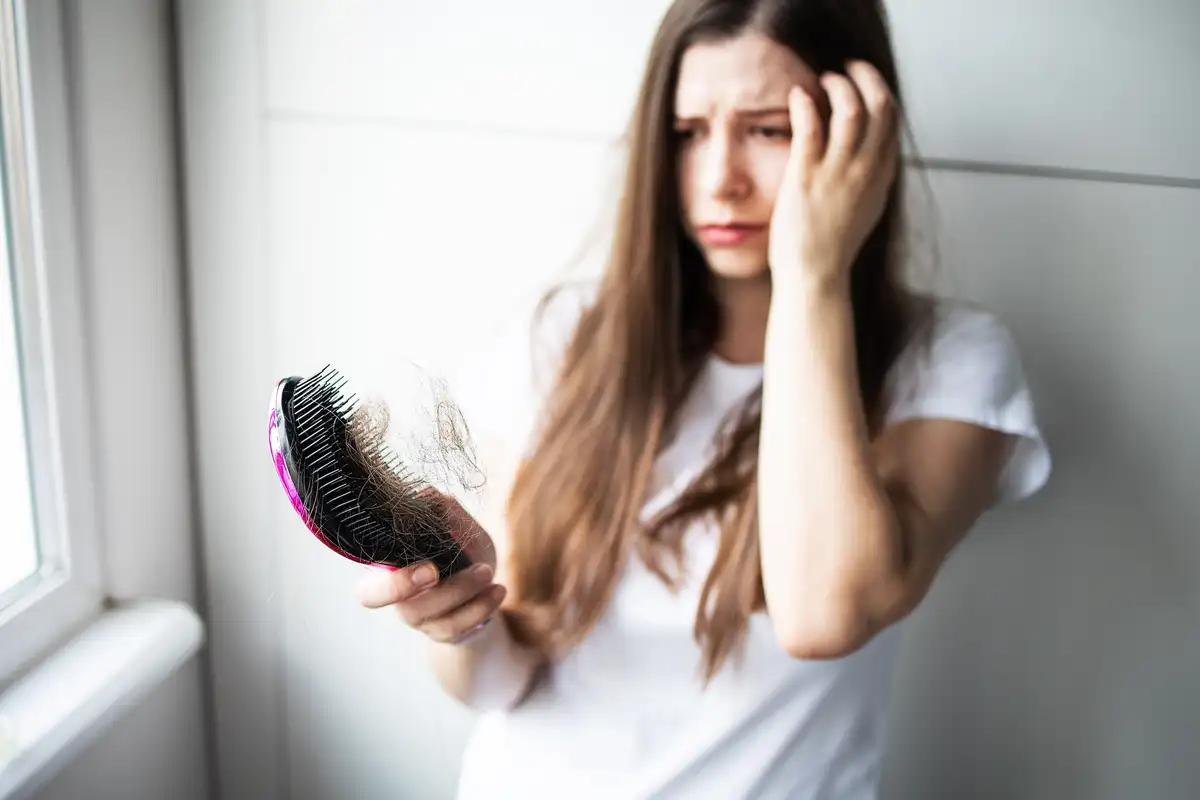
Everything has to be looked at individually, because plenty of factors can affect hair thinning: stress, illnesses, micronutrient deficiencies, and a lot more. Along with looking for the cause (and probably first of all), it’s worth figuring out whether anything besides the thinning is bothering you. You should also take into account when it started, how intense and how sudden it is, and how the density has changed since you first noticed the problem.
When Do We Talk About Hair Loss?
The hardest part is deciding when to sound the alarm and run to the doctor and when hair loss can be called normal. Let’s take a look.
How Much Hair Loss Is Still Normal?
There is a kind of everyday “norm” that’s very common in posts about hair loss: losing up to 50–100 hairs a day is fine. Can you picture yourself counting every single hair on the brush and in the sink?
Don’t rush to start counting to 100, because trichologists don’t recommend taking this rule as the one and only diagnostic criterion. Instead, they suggest comparing the changes with your own normal, usual state.
If so, when do we talk about hair loss? There are a few everyday guideposts. So, when is it hair loss?
- There are patches of thinning or missing hair that weren’t there before.
- The scalp has become visible, and it wasn’t before.
- The parting is gradually getting wider, or the hairline is receding.
- Hair volume has decreased, which you can see, for example, from your ponytail getting thinner.
- Subjectively, your hair is falling out more than before.
So, instead of counting hairs on the brush and sounding the alarm the moment you hit 101 for the day, specialists advise paying attention to how things change over time and what those changes look like. That can be more informative.
The Hair Growth Cycle: Why Shedding Happens
So what is the problem with the hair follicle and the hair growth cycle? Sometimes, a larger-than-usual proportion of follicles enter the telogen phase at the same time. It happens for various reasons and factors.
Our follicles go through these phases of active work and rest out of sync. That’s why some hair keeps growing while some falls out. If all the hair went through these stages at the same time, it would be normal to be completely bald from time to time. Luckily, our follicles are at different stages of the growth cycle.
Hair growth is cyclical. In our earlier posts, we already talked about how hair first grows actively, which is the anagen phase. After a while, the follicle moves into the catagen phase and then into the telogen phase. The telogen phase is not bad in itself. The follicle is simply resting during this period, so the hair stops growing. The moment when the hair separates from the follicle is called exogen.
What Causes Hair Thinning and Loss? The Most Common Causes
If there were an exact answer to what causes hair loss, everything would be much simpler. Unfortunately, when we start figuring out what causes hair loss, it turns out there are many potential causes. What’s more, they can also mix, affecting the scalp and the hair density together. For example, when some illness happens, the body has to deal with its consequences and, in its own way, also reacts to the therapy.
Genetic Predisposition
Heredity is most often mentioned in the context of hair loss in men, although genetics can affect women too. Androgenetic alopecia is associated with genetic predisposition and increased sensitivity of hair follicles to androgens. This problem doesn’t show up suddenly; it becomes more and more obvious very gradually.
Hormonal Changes
A change in hormonal balance can affect the hair growth cycle and cause increased hair loss. Among the hormonal causes:
- Perimenopause,
- Hair loss during menopause,
- The postpartum period,
- Polycystic ovary syndrome,
- Thyroid problems,
- Other conditions accompanied by a disruption or change in hormonal balance, which in turn affect the hair growth process.
Besides the causes listed above of female hair loss, hormonal hair loss can also happen in men.
Stress and Psychological Strain
Psychological and physical stress, among other things, can also affect the condition of your hair. And they have an interesting quirk: stress-related hair loss doesn’t kick in right away in response to the stress. It’s delayed, sometimes by a few months. Sometimes it’s even hard to make the connection: you may have already forgotten, but the body is still dealing with the consequences.
Vitamin Deficiency and Unbalanced Diet
Restrictive diets or a lack of balanced nutrition over a long period can disrupt normal hair growth and may contribute to increased shedding.
Micronutrients and vitamins that are in one way or another involved in the condition of your hair:
- Zinc
- Vitamin D
- Iron
- B vitamins and others
It’s important to note that it’s impossible to determine exactly what you’re lacking just from the fact that your hair has started to fall out more or grows more slowly. Taking vitamins or getting tests done “just in case” isn’t advisable either. All these steps should be coordinated and supervised by your doctor.
Illnesses as a Possible Cause
Thinning or increased hair loss can be a consequence of illnesses you’ve had before or ones you’re trying to cope with right now. Which illnesses cause hair loss? The full list would be extremely long, because some illnesses can be followed by temporary increased shedding, particularly when they involve fever, significant physical stress, or systemic changes.
In the context of hair loss and illness, people often mention diabetes, autoimmune diseases, Hashimoto’s, and other conditions. Temporary shedding can also occur a few months after a significant febrile illness. So it’s important not to try every possible diagnosis but to take care of your health as a whole.
Medications and Medical Treatments
Unfortunately, it’s not only illnesses but also some types of systemic therapy that can potentially affect the condition of your hair. If this has happened to you, under no circumstances should you stop the medications your doctor prescribed on your own. The best thing you can do is share the problem and your worries about it with your doctor. For your part, you can only provide stepped-up cosmetic hair care, while internal causes should be corrected only under medical supervision.
Infections, Inflammation, and Scalp Problems
Some dermatological conditions can also be associated with increased shedding, breakage, or localized hair loss. These include:
- Dandruff,
- Alopecia areata,
- Psoriasis or eczema,
- Inflammation or irritation of the scalp.
It’s best to treat these conditions together with a dermatologist, rather than trying to deal with them on your own.
External Influences and Hair Care
Sometimes hair doesn’t fall out at the root but breaks. Among the causes of increased breakage:
- mechanical stress from styling, including tight hairstyles,
- heat damage from a hot hair dryer or curling iron,
- damage from frequent coloring (especially lightening by several shades) or chemical perms,
- rough mechanical damage: improper combing, aggressive towel-drying, and so on.
In such cases, gentler cosmetic care can help reduce further damage to the hair shaft and improve the appearance and feel of the existing hair.
Signs of Hair Loss: How Can You Recognize It?
The main sign of hair loss is that, subjectively, more hair falls out when you comb it or wash your hair. When you compare your current state with your usual shedding, you can say that now you’re losing hair more intensely. Besides that, there are other ways hair loss shows itself. Namely:
- Your hair looks less thick overall. This can be a variant of the norm, but it can also be early-stage hair loss, so you need to be a little more attentive here.
- The hairline shifts, or the hair thins in the crown area.
- Bald patches appear.
- New hair is very thin and weak.
Severe Hair Loss: When Should You Act?
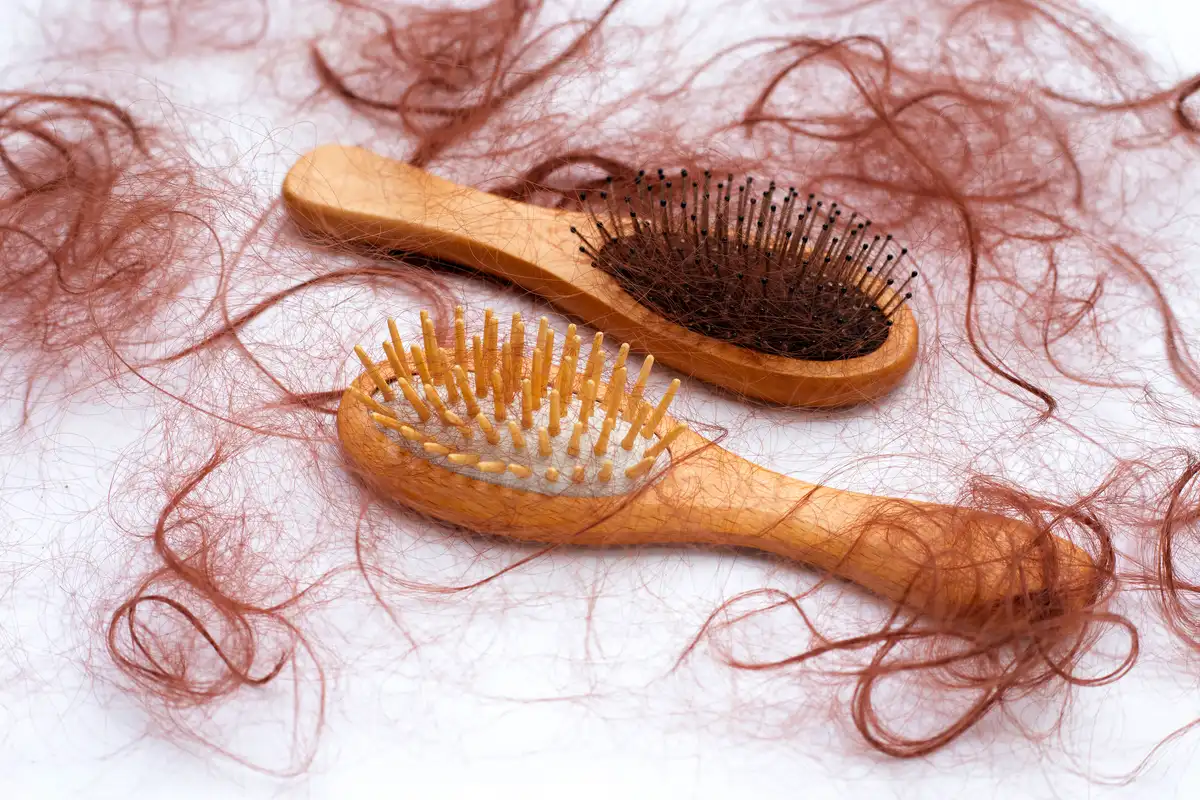
A prompt medical assessment is advisable if the changes are sudden or pronounced, or if hair loss is accompanied by additional symptoms. Redness, severe itching, skin rashes, and a burning sensation may be a reason to seek medical advice. If you don’t understand what exactly is going on, consult a specialist.
Which Doctor Can Help With Hair Loss?
The first point of contact is, as a rule, the general practitioner. The doctor may suspect a systemic or hormonal cause and refer you to specialists. They can also send you to a dermatologist. We covered in more detail how to choose the right doctor and what to do in what order in our “Which doctor for hair loss?” post.
How to Determine Hair Loss Causes?
If you imagine diagnostics like in “Dr. House,” it’s a bit simpler here. First, you go through an initial examination and an interview. Most likely, you’ll be asked:
- How long ago did you notice the hair loss, and how long has it been going on?
- Has the intensity of the hair loss changed recently?
- Are there additional symptoms: weight loss, rashes, fever, and so on?
- Are you taking any treatment? Have you had surgery recently? Do you have chronic illnesses?
- Has the same thing happened to any of your blood relatives? (If the doctor suspects that the hair loss is hereditary.)
Depending on your history and examination, the doctor may recommend targeted tests to help identify possible causes. The specialist may also advise you to have a trichoscopy to examine the hair, follicular openings, and scalp more closely.
Does Hair That Has Fallen Out Grow Back?
If the follicles remain functional, hair regrowth may be possible, depending on the cause of the hair loss. For example, if your hair became brittle because of coloring, and now you’ve changed your care routine, the new hair will most likely keep growing the same as before. However, if the problem has affected the follicles, everything is very individual. By the way, we sincerely recommend our post “Can Hair Growth Be Accelerated?" It can help you understand what to do next.
What Can You Do About Hair Loss Yourself?
Hair loss is a symptom that we can notice from the outside. However, without understanding why exactly it was happening or is still happening, it’s hard to act purposefully and effectively. So the first step is a consultation with a doctor and following their recommendations.
Initial algorithm:
- Get the cause clarified. Find out exactly what has made your hair thin or fall out.
- Follow your doctor’s recommendations. Use the treatment plan that’s been selected individually, taking into account your condition and symptoms.
- Additionally, pay attention to a balanced diet. This is something you can already do on your own. If you don’t know where to start, try the “healthy plate” method. It’s one way to eat in a balanced way.
Treat Your Hair and Scalp as Gently as Possible
Taking good care of your hair is not a treatment but rather a way of preserving its natural condition. Still, it’s worth knowing these rules too. Namely:
- Hair “doesn’t like” excessive heat or mechanical stress. So it’s better to avoid constant curling with a curling iron, blow-drying at maximum temperature, tight hairstyles, and careless combing.
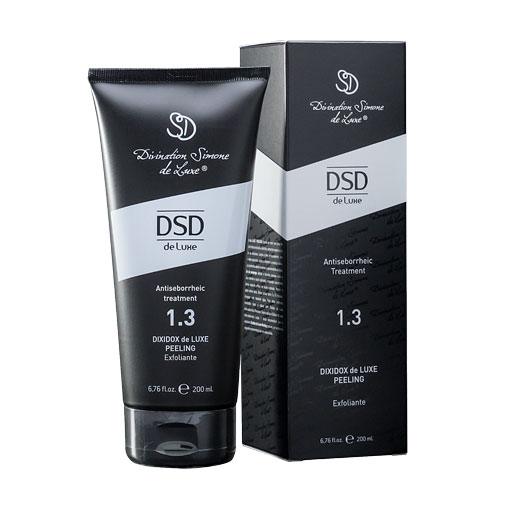
- A lot depends on the condition of the scalp. That’s why, besides shampoo, it’s worth adding scalp-moisturizing products, gentle peelings that remove excess particles of dirt, and anti-dandruff products if dandruff shows up from time to time.
- Use hair products purposefully and thoughtfully. If you use only shampoo for a whole month and then try to apply everything at once in a single evening, it won’t work. Care has to be regular, and the products should be chosen to fit the needs of your hair and your scalp type.
Cosmetic and Supportive Care from DSD de Luxe
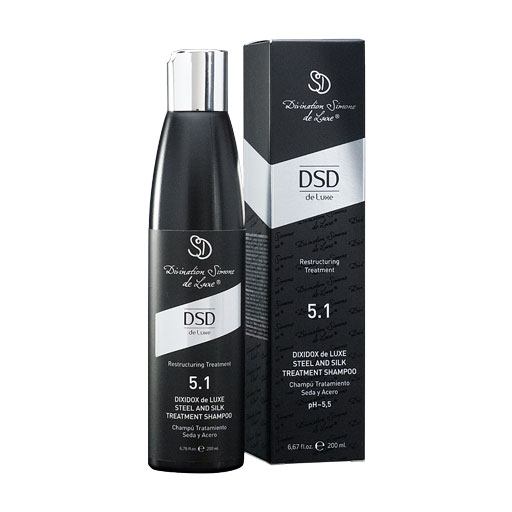
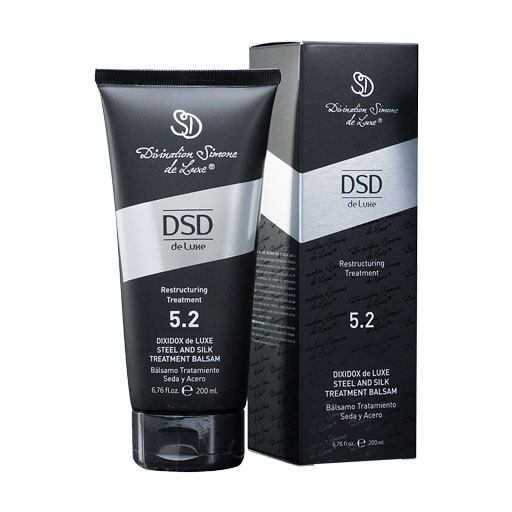
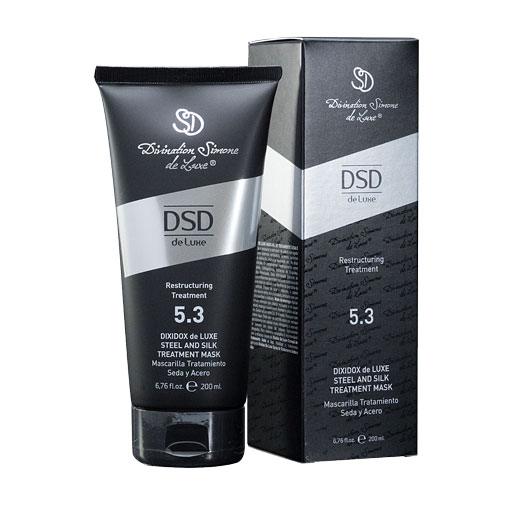
Cosmetic products, including the ones you see in the DSD de Luxe. range, are not a treatment for hair loss but simply gentle care. They help you get a comfortable feeling on the scalp, support the hair, and give it a radiant, healthy look. Some specialized products can be used as part of a regular cosmetic hair and scalp care routine.
Today, let’s focus on the products you can already add to your regular routine before seeing a doctor.
Shampoos

Scalp Exfoliant
Conditioners and Masks
Leave-in Care

The products listed above are cosmetic products, not medicinal products. We strongly advise you not to ignore symptoms such as a sudden increase in hair loss or hair loss accompanied by redness and so on. A medical assessment is advisable if hair loss appears after an illness, surgery, or medication, especially if it is pronounced, persistent, or accompanied by other symptoms. In such cases, it’s not enough to change your shampoo or use conditioner or a mask more often. In such situations, cosmetic care alone may not be sufficient.