


A body with disrupted glucose metabolism doesn't only respond with increased thirst and chronic fatigue. One of the consequences of this metabolic disorder is also hair loss. With diabetes, several accompanying factors contribute to this: impaired blood circulation, increased inflammatory processes, hormonal imbalance, and a deficiency of nutrients and beneficial trace elements.
In this article, we explore how hair loss in diabetes differs from other types of shedding. Also, if you suspect that you may be dealing specifically with diabetes-related hair loss, you'll learn which tests to get, how to care for your hair and scalp to reduce the intensity of shedding, and eventually restore your hair's usual volume and strength.
Can Diabetes Really Cause Hair Loss?
Yes, this can really happen. First and foremost, it occurs due to disrupted metabolism and changes in hormonal balance. Diabetes most often leads to diffuse telogen hair loss - a condition that is manageable, and one that can genuinely be reversed.
If you've noticed increased shedding, this is your body's way of signaling that something isn't right. By nature, the body's main resources are distributed among vital systems and organs first. Hair isn't one of them, and so it's often the first to suffer.
Understanding the Hair Growth Cycle
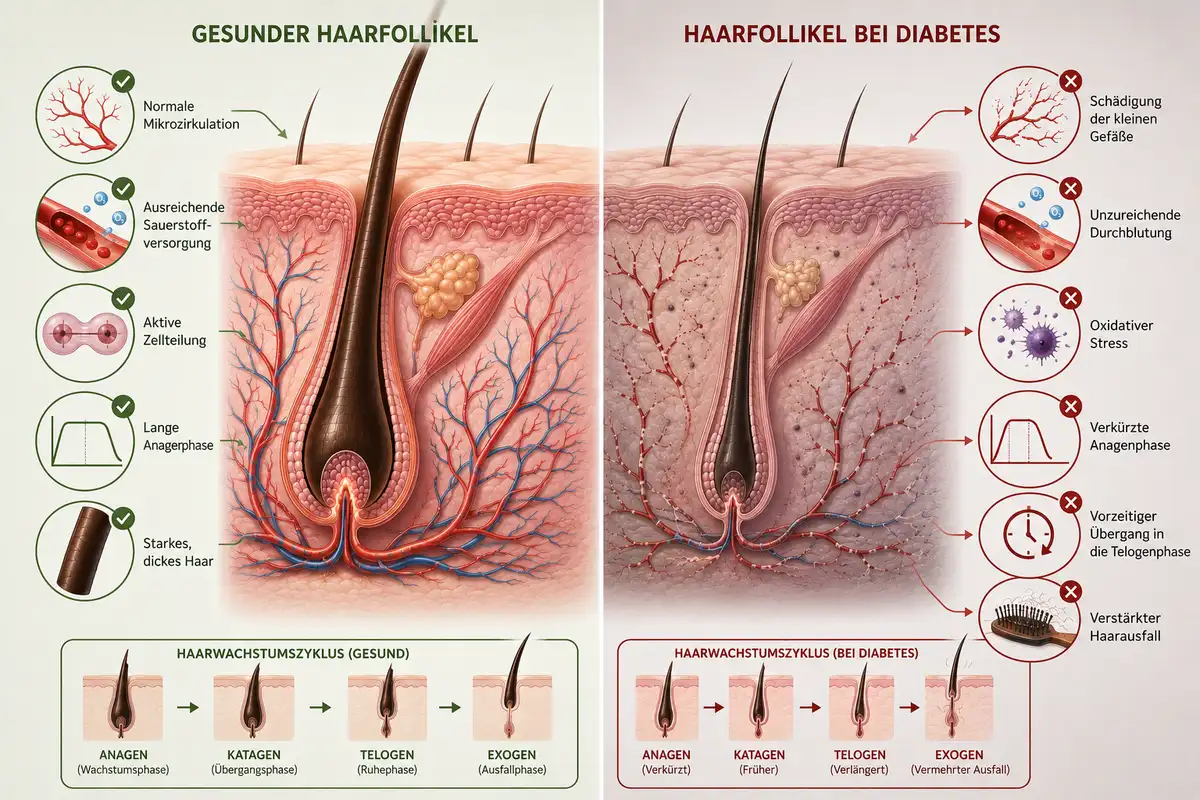
At any given moment, in a healthy body, 85-90% of hair is in the anagen phase (active growth). Gradually, some follicles transition into the catagen phase (a transitional stage), and after that, into the telogen phase (shedding). When this cycle is disrupted for various reasons, the number of follicles in the anagen phase decreases while the number in the telogen phase increases. This is why hair loss becomes more noticeable.
How High Blood Sugar Affects Hair Follicles
Chronically high blood sugar affects the integrity of small blood vessels. The supply of oxygen and important trace elements decreases. The follicle no longer has enough strength to sustain hair growth, so it essentially "goes dormant" until conditions improve.
Hormonal Changes
Diabetes and reduced cellular sensitivity to insulin lead to disrupted hormonal balance. For example, with type 2 diabetes, the body produces excess insulin over a prolonged period, attempting to compensate for cellular insulin resistance.
Insulin at such elevated levels can have various effects, one of which is increased androgen production. Hair follicles are highly sensitive to this hormone, which results in:
- A shortened active growth phase.
- Thinning hair shafts.
- A growing number of follicles entering the telogen phase.
Why Does Diabetes Cause Hair Loss? Why Women Are at Particular Risk
In women, insulin resistance (a condition in which cells have reduced sensitivity to insulin) often coexists with polycystic ovary syndrome. This condition has many manifestations: increased acne, skin that's either too dry or excessively oily, and disrupted menstrual cycles. Specifically regarding hair, this leads to:
- Reduced hair density.
- Intensified hair loss.
- Poor regrowth of new hair.
- Hair shafts becoming brittle.
- Excessive hair growth on the face or body.
Menopause and Diabetes
Women in perimenopause and after menopause are most often the ones affected by hair loss. This is because, in addition to all the factors listed above, another one is added - declining estrogen levels. Combined with the development of diabetes or insulin resistance, this leads to thinning, dryness, and loss of shine in the hair.
Insulin Resistance and Hair Loss: What You Need to Know
Very often, no formal diagnosis exists yet, but hair is already falling out. This happens because the body can spend a long time trying to correct the situation on its own. Has cellular sensitivity to insulin decreased? The body produces more and more of it - this is necessary to normalize blood sugar levels. And while this is happening, there's still no clinical diagnosis, yet the consequences are already being felt. This is essentially insulin resistance hair loss in its earliest, hardest-to-detect form.
While the body diligently "repairs" these important processes, hair becomes progressively weaker. If you notice that this clearly isn't seasonal shedding, and that it continues year-round, be sure to see an endocrinologist. The most important thing to know: if you have doubts, it's better to make an extra doctor's visit than to wait until the problem fully announces itself.
10 Signs Your Hair Loss May Be Linked to Insulin Resistance
- Increased cravings for sweets.
- Chronic fatigue that worsens after eating.
- Difficulty remembering new information, trouble concentrating, persistent "brain fog".
- Fat accumulating around the abdomen even with reasonably healthy eating habits.
- Hair at the crown and along the part becoming noticeably thinner and sparser.
- A significant amount of hair left on your comb or in the sink with every brushing and washing.
- Dark patches appearing on the skin in places.
- PCOS already diagnosed.
- A family history of diabetes.
- Lab tests showing elevated blood sugar levels.
Type 1 vs Type 2 Diabetes: Does Hair Loss Differ?
The mechanisms behind the negative effects differ somewhat between type 1 and type 2 diabetes. Understanding these differences is necessary in order to choose the right treatment strategy.
Type 1 Diabetes and Hair Loss: Alopecia Areata
Type 1 diabetes is an autoimmune disease. In simple terms, this is a condition in which the immune system mistakenly perceives the cells of the pancreas that produce insulin as a threat. The distinguishing feature of hair loss in type 1 diabetes is alopecia areata - a form of patchy, circular hair loss:
- Bald patches appear suddenly.
- The areas of hair loss have clearly defined borders.
- There's no scarring associated with the shedding.
Type 2 Diabetes and Diffuse Hair Loss
The disease mechanism here is different. The condition of the hair is affected by:
- Prolonged elevated glucose levels.
- Impaired blood circulation.
- The presence of chronic inflammation.
Together, these create an unfavorable environment for hair growth. As a result, hair gradually becomes less dense, thinner, more brittle, and loses its shine. In this case, shedding is roughly even across the entire scalp, which is why this type 2 diabetes hair loss symptom is easy to miss in its early stages.
Symptoms That May Suggest Diabetes-Related Hair Loss
| Symptom | Possible Connection to Diabetes |
|---|---|
| Diffuse hair thinning | Chronically elevated glucose levels, impaired blood supply to follicles |
| Slow healing of scalp wounds | Damage to small blood vessels (microangiopathy) |
| Dryness and flaking of the scalp | Tissue dehydration from frequent urination |
| Appearance of flaking or itching | Disrupted skin barrier function from high blood sugar |
| Thinning eyebrows or eyelashes | Systemic effect on hair follicles |
| Irregular hair growth (patchy shedding) | Possible autoimmune component in type 1 diabetes |
| Dullness and brittleness of hair | Nutrient deficiencies associated with diabetes |
Diagnostic Tests Worth Discussing With Your Doctor
You should see a doctor as soon as you notice that something isn't right - your hair is shedding more than usual, and this is accompanied by additional symptoms. Here's how diagnosis typically proceeds:
Blood Tests
A fasting blood test helps identify:
- Glucose levels.
- Glycated hemoglobin (HbA1c).
- Ferritin.
- Vitamin D.
A HOMA-IR index evaluation is also routinely performed. In most cases, the doctor will additionally request a thyroid hormone blood test.
Trichological Evaluation
This examination is optional and is performed additionally if hair loss specifically is the issue concerning you. During trichoscopy, the doctor evaluates hair shaft diameter, hair density, and the condition of the follicular openings. This evaluation also helps rule out other potential causes behind the deteriorating condition of the scalp and hair.
What Can You Do About Diabetes-Related Hair Loss?
Diabetes-related hair loss has several contributing factors. Accordingly, there's no single universal way to solve the problem. It's always a comprehensive effort that begins with treating the underlying condition and continues with maintaining stable health metrics alongside a complete hair care routine. Broken down into steps, it looks like this:
Blood Sugar Management: Achieve Stable Glucose Control
Until glucose levels are stabilized, your body remains in a state of constant metabolic stress. Keeping HbA1c within the target range will reduce the strain on your blood vessels, and gradually, once these markers normalize, many people notice reduced shedding - and a little later, hair will move into the growth phase.
Reduce the Impact of Chronic Inflammation
All harmful habits, combined with insufficient sleep, create additional stress on the body. What's more, this reduces the body's ability to manage inflammatory processes. So the next step is: cutting back on alcohol and smoking, and getting adequate sleep.
Optimize Your Nutrition
Not just your hair, but your entire body needs a wide range of nutrients:
- Protein and omega-3 fatty acids.
- Vitamins D, C, E, and others.
- B vitamins.
- Zinc, iron, and magnesium.
If dietary changes and all the food that is helpful for hair growth alone aren't enough to cover nutrient deficiencies, your doctor may recommend appropriate supplements. It's very important to get lab tests done beforehand to understand exactly what your body is lacking.
Stay Physically Active
You don't need to suddenly become a champion athlete. It's enough to simply get into the habit of taking slow walks and doing light movement in the morning and throughout the day. Even a little more physical activity counts as a real win, and here's why:
- Blood circulation improves.
- Tissue sensitivity to insulin increases.
- Systemic inflammation gradually decreases.
Supporting Scalp and Hair Health
Even when diabetes or a metabolic disorder is the underlying cause of hair loss or its declining condition, quality external support for the scalp and hair itself remains a necessity. It's important to note: hair care products don't cure diabetes and don't address insulin resistance - they don't target the root cause. That said, they are needed to help maintain hair quality at a satisfactory level, support its care, and have a positive effect on hair follicles.
While this approach doesn't fix the root of the problem, it's what prevents you from facing larger consequences down the line. Looking at the DSD product range, the care line includes a number of options that can be genuinely useful for this kind of additional support.
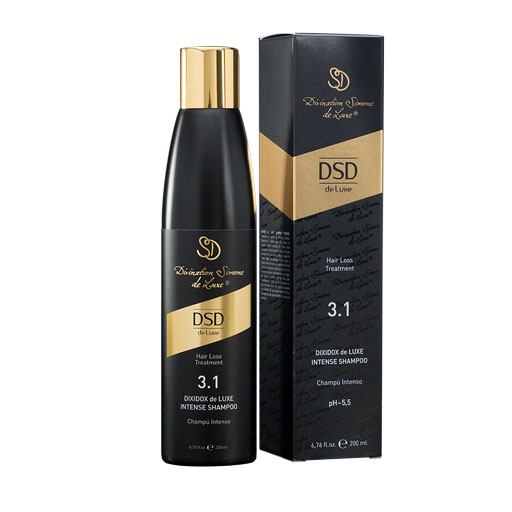


DSD de Luxe 3.1 Intense Shampoo
DSD de Luxe 3.1 Intense Shampoo contains adenosine, caffeine, phytoestrogens, capsaicin, inositol, and vitamins, along with saw palmetto extract. Together with keratin, collagen, and panthenol, these ingredients help strengthen hair structure. Since the shampoo doesn't contain harsh components, it's suitable for gentle cleansing and daily use - making it a solid option for anyone dealing with diffuse hair loss or weakened hair roots.
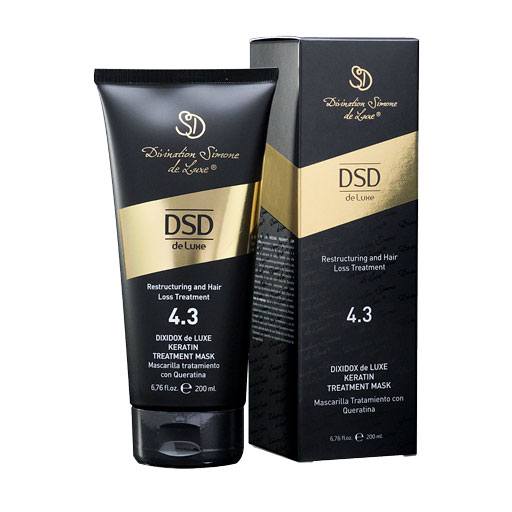
DSD de Luxe 4.3 Keratin Treatment Mask
DSD de Luxe 4.3 Keratin Treatment Mask doesn't work on the scalp, but on the hair structure itself. It contains hydrolyzed collagen and keratin, capsaicin, adenosine, and vitamins. It should be applied after washing, as it also acts as a conditioner, sealing the hair cuticle. This product can be applied along the full length of the hair without weighing it down. For best results, leave it on for 10-15 minutes instead of rinsing it out immediately, giving it time to work - particularly helpful for supporting hair quality and reducing breakage.
DSD de Luxe 3.4 Forte Lotion
DSD de Luxe 3.4 Forte Lotion comes in ampoule form. It also contains saw palmetto extract, an ingredient with antiandrogenic properties. In addition, it contains phytoestrogens, vitamins, and trace elements. Together, these have a positive effect on slowing hair loss and supporting new hair growth - supporting the overall hair cycle. The lotion is applied after washing, onto clean skin, and doesn't need to be rinsed out.
DSD de Luxe 3.4.1 Crexepil Forte Lotion
Another gentle lotion that can be combined with the previous one, alternating between the two. Its ingredient list includes saw palmetto extract, caffeine, and vasodilating components. Its main effect comes from supporting microcirculation. 3.4.1 Crexepil Forte Lotion is intended to support scalp microcirculation and overall scalp condition - making it especially relevant for intensive care during periods of increased hair loss.
Note: These products are positioned as supportive care, not as treatment for diabetes or insulin resistance.
Diabetes Hair Loss Timeline: When Can Hair Growth Improve?
It's natural to hope that as soon as glucose and insulin levels normalize, hair will immediately start growing back. That hope runs up against the reality that the hair growth cycle works slowly, and normalizing it takes additional time. Follicles can't instantly switch into an active growth phase.
Typical Hair Recovery Timeline After HbA1c Stabilization
| Period | Expected Changes |
|---|---|
| 0-3 months | Hair loss may still continue until the current telogen phase comes to an end |
| 3-6 months | The amount of shedding gradually decreases. The condition stabilizes |
| 6-9 months | Follicles shift into the growth phase. Visually, this looks like the appearance of fine new "baby hairs" |
| 9-12 months | Density becomes noticeably better. At the same time, hair becomes stronger and less prone to breakage |
Factors Affecting Recovery
A great deal depends on the stage at which the condition was identified and how quickly treatment began. Changes in density, brittleness, and strength are also influenced by existing nutrient deficiencies, genetics, age, and harmful habits. It's also important not just to stabilize glucose levels in the moment, but to keep doing so consistently over time.
Can Diabetes Hair Loss Be Reversed?
With comprehensive treatment, ongoing collaboration with your endocrinologist, and adherence to all their recommendations, the outlook is fairly encouraging. The timeline, however, depends heavily on what originally caused the hair loss.
Temporary (Telogen) Hair Loss
This is shedding linked to a disrupted hair growth cycle and the premature transition of follicles into the shedding phase. Once the factors that disrupted the natural duration of the growth phases are addressed, follicles return to their normal "working rhythm" within a few months.
Diffuse Hair Loss
This condition is closely tied to elevated blood glucose levels. As a result, it's essential to control blood sugar over the long term while simultaneously ensuring proper scalp care. Only with this kind of consistent, systematic approach can you expect, over time, a reduction in shedding intensity and the regrowth of new hair.
Alopecia Areata
Autoimmune alopecia areata that develops alongside type 1 diabetes is the most complex case. Treatment should begin in the endocrinologist's office. The disease progresses differently for each person, so therapy requires a careful, individualized approach. The outlook for hair health depends heavily on how well the underlying autoimmune processes can be controlled.
When Is Full Recovery Possible?
The most favorable outcomes apply to cases where the condition was diagnosed early. The doctor typically starts by stabilizing blood sugar levels, which takes several months. Based on blood test results, the doctor also corrects any nutrient and trace element deficiencies in the body. Combined with well-chosen scalp care, this approach offers a much better chance at a positive outcome for hair health as well.
So, success depends on the following factors:
- Early diagnosis. We sincerely encourage you to get a full health check-up at least once a year, even for preventive purposes.
- Timely treatment. If a problem is identified, don't postpone the treatment options your doctor recommends.
- Consistency, meaning strict adherence to all of your doctor's recommendations, their plan, and treatment schedule. But even when you do all of this, keep in mind that hair may recover gradually. It will take more than a single month before shedding stops and new hair begins to grow.
The first noticeable results usually appear somewhere around six months to a year. For you, it might be a little sooner or a little later, since no one can give you an exact timeline based solely on the type of condition. Still, the more attentive you are to your health, the better your chances - both for feeling well overall and for having good hair condition.