


Menopause is a time of profound hormonal restructuring in a woman's body. The first changes - perimenopause - can begin as much as 10 years before the climacteric itself. Besides hot flashes, other symptoms include increased fatigue, lower concentration, and, when it comes to hair, thinning, reduced density, and increased shedding. In this post, we'll look at what exactly causes hair loss during menopause, what to do about it, how to support scalp health, and how to reduce the intensity of shedding.
Why Does Hair Fall Out During Menopause?
The hormonal background, which undergoes dramatic changes, is to blame. Estrogen and progesterone levels decline; instead, androgen levels (the so-called male hormones) may rise. A deficiency of estrogen combined with elevated androgens creates an environment favorable to hair loss. A particular feature of premenopausal hair loss in women is that it often looks like male-pattern thinning. Volume decreases at the crown, the parting widens, and sometimes the hairline may recede somewhat.
How Hormonal Changes Affect the Hair Growth Cycle
Hormonally driven hair loss is directly linked to the life cycle of the hair follicle. Normally, estrogen extends the active growth phase - anagen. As this hormone becomes scarcer, the growth phase can shorten. Meanwhile, part of the hair roots transitions into the resting phase much earlier and stays in it longer.
Visually, this looks like hair thinning, a noticeable reduction in density, and more hair falling out - what we observe is diffuse hair loss. Estrogen has another function: it somewhat suppresses the effect of androgens. As estrogen decreases, gradual thinning of an androgenetic type may occur. In other words, hair loss in the lead-up to and during menopause is sometimes a mix of two types of hair loss layered on top of each other.
Other Factors Affecting Hair Condition After Age 45–50
Besides hormones, the density and quality of hair at this age are influenced by:
- chronic stress and sleep disturbances;
- deficiencies of iron, zinc, vitamin D, and B vitamins;
- thyroid gland dysfunction;
- reduced blood supply to the scalp;
- age-related slowing of metabolic processes in the skin.
When Does Hair Loss Begin With Menopause?
A study by Zuzanna Sabina Goluch-Koniuszy, devoted to nutrition during menopause, points to striking statistics. According to this research, 20 to 60% of women under 60 experience hair loss caused by disruptions in hormonal metabolism. Hair loss often precedes the onset of menopause itself, sometimes starting at age 40–45, and is even more common in women over 50.
This is because hormonal fluctuations are most unstable during perimenopause. The menstrual cycle hasn't fully stopped, but periods become less regular, with discharge becoming heavier and lasting longer. Along with hormonal changes, women lose a lot of nutrients - iron in particular.
Main Signs of Menopause-Related Hair Loss
Thin hair and slow growth are the first signals. Typically, we simply overlook them until the problem becomes visually obvious. So, which signs indicate that the body needs extra support and the scalp needs care adapted to the new reality?
Hair Thinning
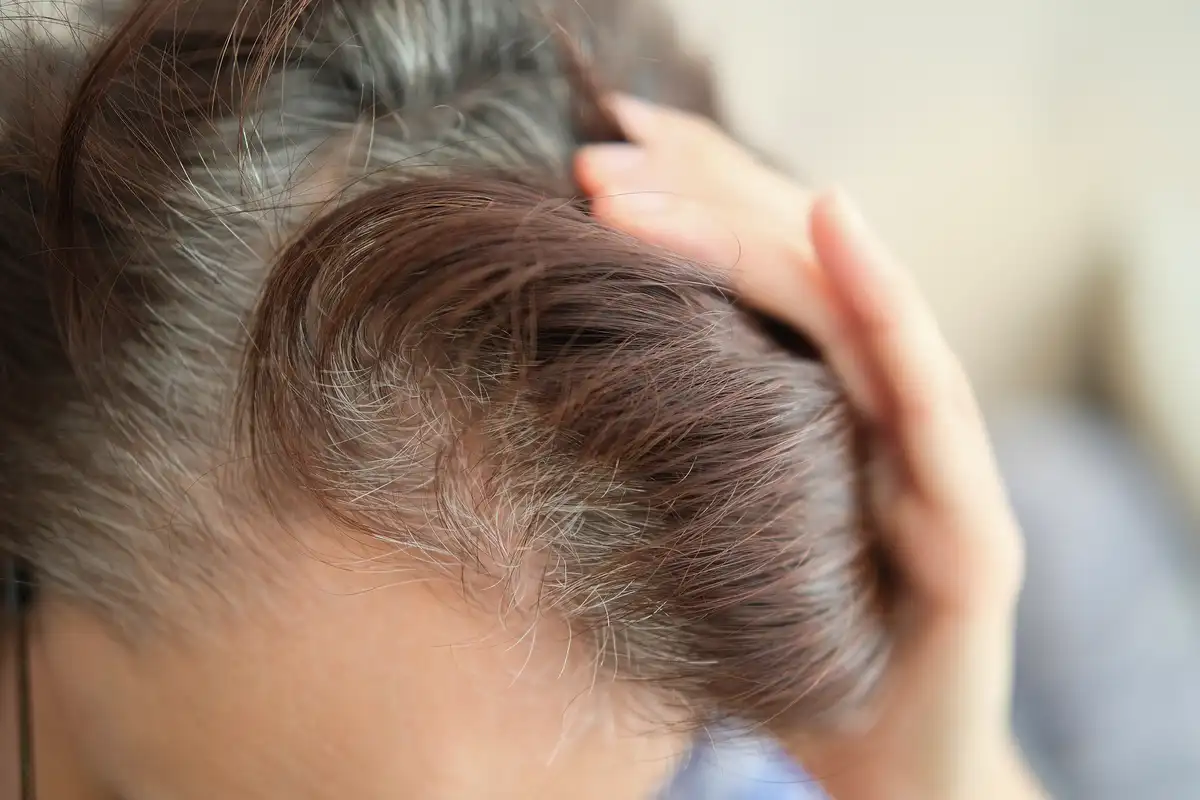
Hormonal changes can affect the normal hair growth cycle, resulting in finer, less resilient hair. As a result, they produce thinner, less resilient hair. Even without intense shedding yet, the hairstyle can seem to lose volume.
Increased Daily Shedding
Heavy hair loss means losing more than 50–100 hairs a day. That amount is still within normal range. More than that is already a signal that something needs to be done.
Hair No Longer Grows as Quickly as It Used To
After a haircut, length takes a long time to return. This is because the active growth phase shortens, and the body has much less energy to support quality growth.
Will Hair Grow Back After Menopause?
One of the most common questions is whether hair loss stops once a woman has entered the climacteric period. Hormonally driven hair loss is not irreversible, but without support and care, thinning can continue even after menopause has begun.
Can Thin Hair Recover?
Clinical experience suggests that some women notice an improvement in hair condition with time. It typically happens several years after menopause begins. However, the success of therapy depends on many aspects.
What's needed:
- Systematic scalp care, follicle nourishment, and stimulation of blood circulation.
- Correcting micronutrient and vitamin deficiencies. Iron deficiency is the most damaging - a woman's body loses iron especially rapidly during perimenopause.
- Use of topical treatment products, selected together with a trichologist based on test results and individual characteristics.
- Adjusting nutrition, physical activity, and stress management.
Following all the measures we've listed above, you may improve the overall condition and appearance of the hair, although results vary from person to person.
What Really Helps With Hair Loss During Menopause?
It would be convenient if there were a universal, guaranteed-effective remedy for women's hair loss. There isn't one – instead, what to do about hair loss during menopause has to be determined individually.
When Should You See a Doctor?
If hair loss started suddenly, is too intense, or thinning is becoming increasingly noticeable, that's a reason to see a specialist immediately. It's also worth seeing a doctor if you feel your hair is falling out more than usual. It's quite likely you're not imagining it, and with professional help you'll be able to minimize the negative effects tied to hormonal and age-related changes.
Which Specialist Treats Hair Loss During Menopause?
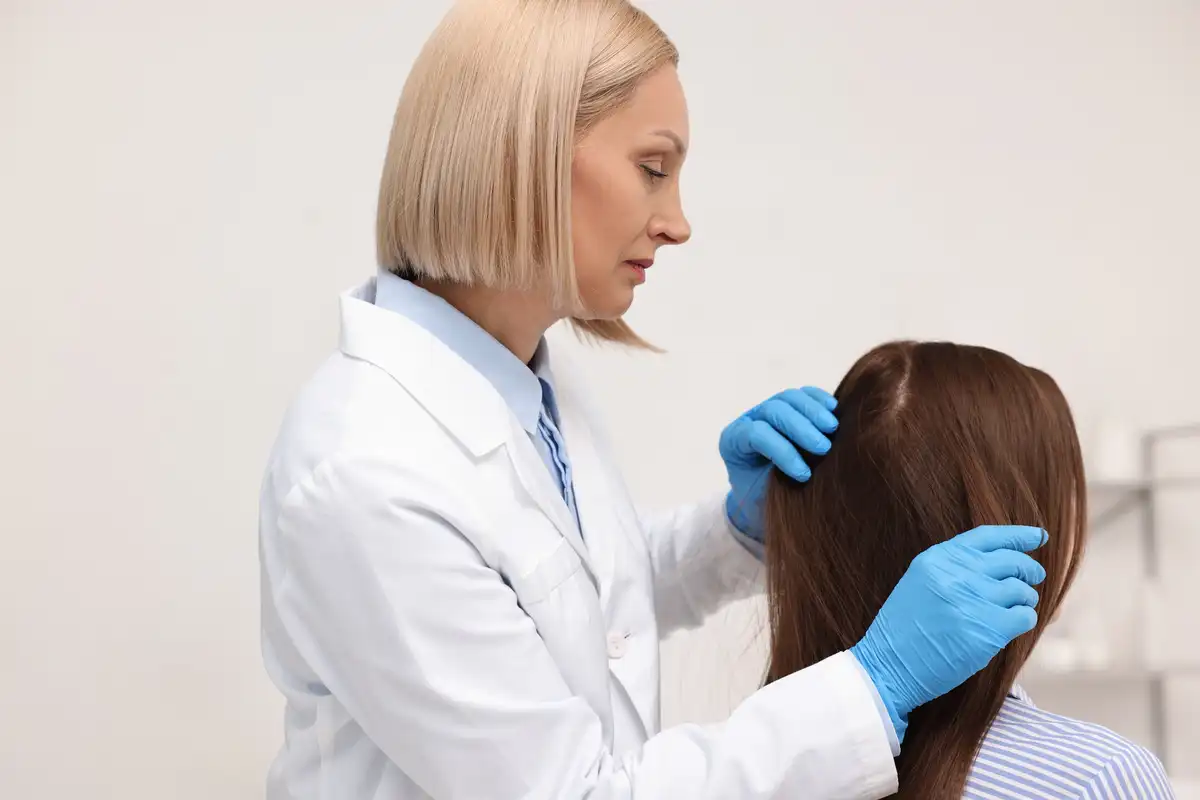
These issues are usually handled by a trichologist or a dermatologist specializing in hair problems. However, when it comes to the climacteric period, it's also a good idea to get consultations from an endocrinologist and a gynecologist, get tested, compare specialists' recommendations, and work out together the formula that will work best for your specific case.
What Tests Might a Doctor Order?
A doctor typically recommends the following:
- hormone level tests (estrogen, testosterone, TSH, thyroid hormones);
- a complete blood count and ferritin level (iron stores);
- vitamin D and B-vitamin levels;
- if needed - trichoscopy (examination of the scalp and hair follicles).
What Treatment Methods Can Help?
Treatment should always be selected individually after consultation with a healthcare professional, based on a hair examination, tests, and a detailed medical history. All the options listed below are only a general guide to what to expect at the doctor's office, what might be prescribed, and whether it will work at all.
| Therapy | Explanation |
|---|---|
| Minoxidil therapy | A topical product, one of the most well-researched treatments for hair loss. It needs to be used over a long period, and if therapy is stopped before growth resumes, hair loss can return. This method requires a responsible approach from the patient. |
| Correcting nutrient deficiencies, especially iron | If laboratory tests reveal micronutrient deficiencies, the doctor may recommend dietary changes, supplements or other appropriate measures. |
| Treating concurrent conditions that further weaken the body | Special attention should be paid to examining the thyroid gland and ruling out possible pathologies. |
| Menopausal hormone therapy | It may have a positive effect on hair condition. Note that such therapy is only possible with a doctor's recommendation and after a mandatory consultation with a gynecologist. Hair loss alone is not a sufficient reason to start hormone therapy. |
Additional Procedures That May Help
During hair loss treatment, in addition to the options above, you might be offered additional methods. These can include low-level laser therapy, PRP therapy, and topical products such as growth stimulators, vitamin lotions, and the like.
Nutrition
The same study mentioned above notes that while a woman's body is undergoing dramatic changes, it needs more protein, iron, zinc, biotin, and omega-3 fatty acids. It's essential to structure your daily diet to include these nutrients, or to consult a nutritionist about additionally taking vitamin-mineral complexes.
Stress Management
The more cortisol, the more negative impact on hair follicles. Lowering cortisol can be helped by stretching, a pleasant walk before bed, listening to music, cycling, and (you'll like this one) - sleep. Scientists have shown that a 30-45 minute nap in the middle of the day significantly lowers cortisol levels in women. More sleep - less stress. Less stress - better hair.
Professional Hair Care with DSD de Luxe
The DSD de Luxe line includes products developed to support scalp health in various situations. Among them, the brand offers a range of products developed for the care of hair affected by hormonal changes, including hair loss in women during perimenopause and the climacteric period.
Scalp Care During Periods of Increased Hair Shedding
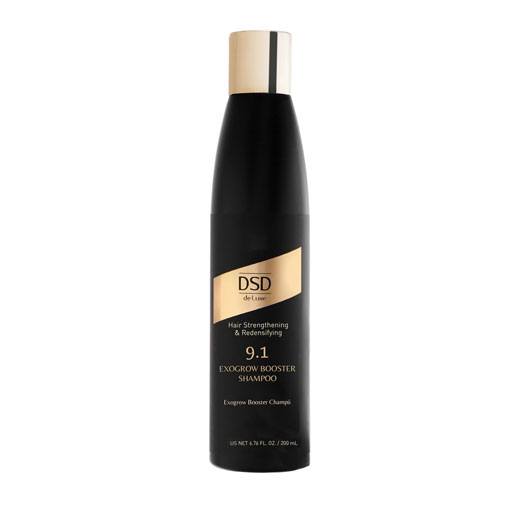
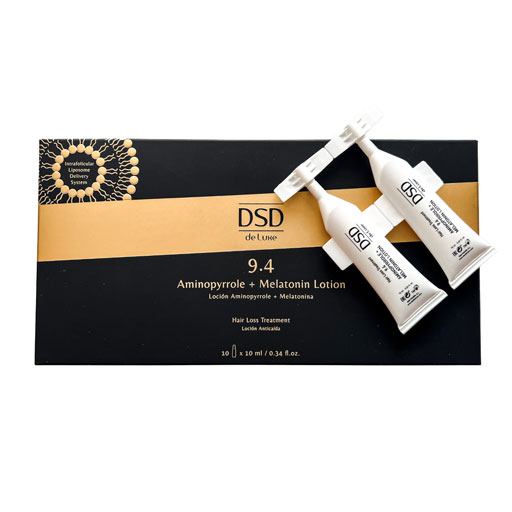
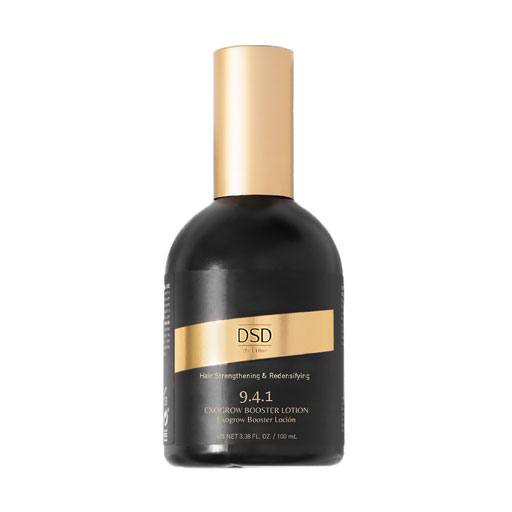
Specialized serums and ampoules with active ingredients (peptides, caffeine, plant extracts) are designed to support the scalp during periods of increased hair shedding and may help improve the appearance of fuller-looking hair.
Products for Hair Thinning
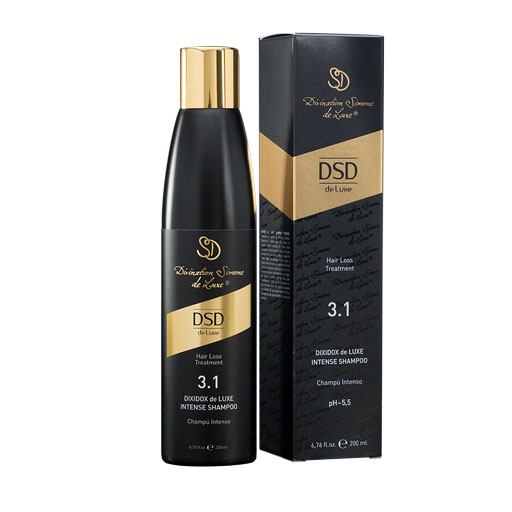
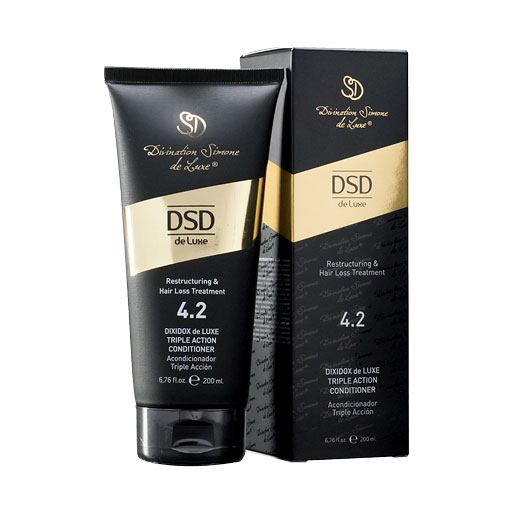
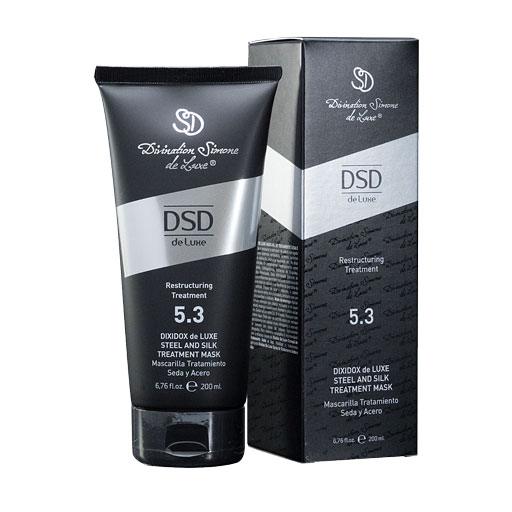
Products for thickening hair strand structure and adding extra volume help improve the appearance, texture and manageability of thin hair.
Products for Hair Thinning Associated With Hormonal Changes
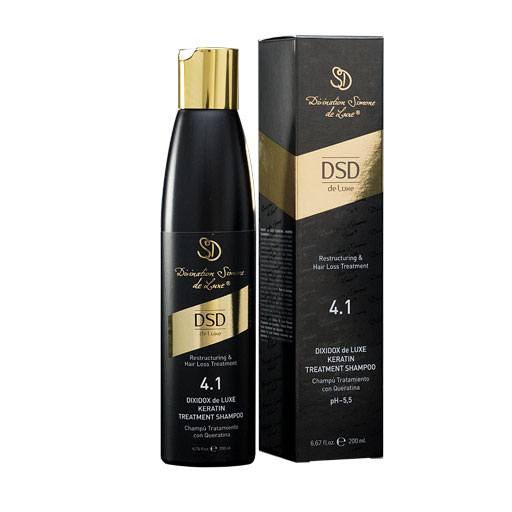
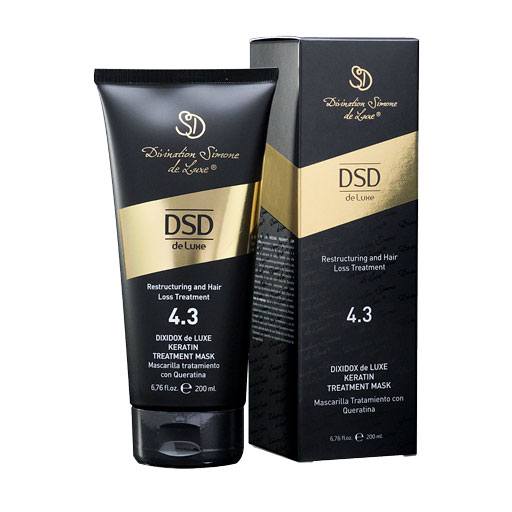
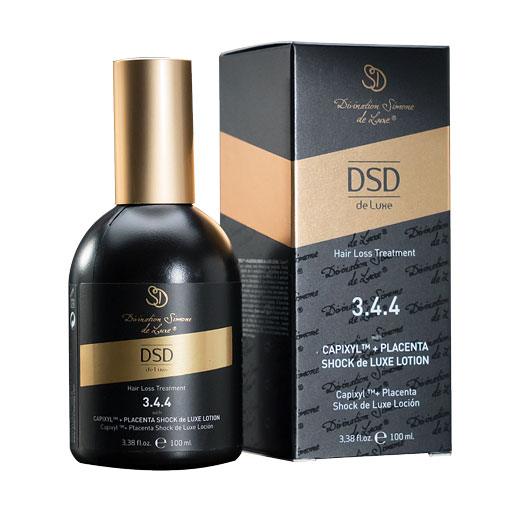
A separate category of products is designed for hair affected by hormonal changes. They help care for the scalp and improve the appearance and feel of the hair, helping maintain scalp hydration and leaving the hair looking healthier and more manageable.
- 4.1 Keratin Treatment Shampoo
- 4.3 Keratin Treatment Mask
- 3.4.4 Capixyl + Placenta Shock de Luxe Lotion
Final Thoughts
Hair loss in women during menopause is not a life sentence. Comprehensive care, adjustments to lifestyle, activity level, and nutrition, along with the use of professional products, can help.