
Healthy, strong hair doesn't come from expensive products alone. What you eat plays a crucial role in hair health and growth. While conditions like iron deficiency hair loss and vitamin D deficiency and hair loss are well-documented, many people don't realize that overall nutrition directly impacts whether their hair thrives or struggles. Understanding which vitamins for hair loss matter most can help you build a diet that supports your hair from the inside out.
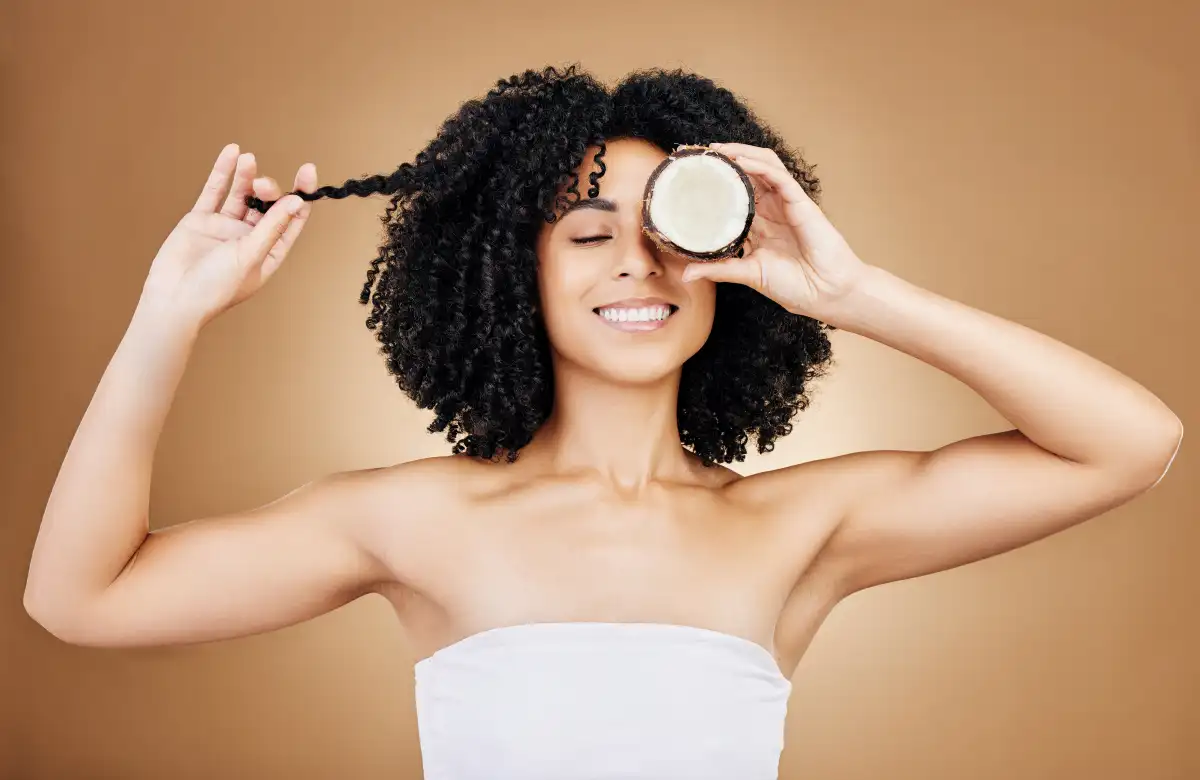
The connection between diet and hair health runs deeper than many realize. Your hair follicles are among the most metabolically active cells in your body, requiring constant nutrients to function properly. When you don't get enough of specific nutrients, your body prioritizes vital organs over hair growth, leading to thinning, breakage, and shedding. This article explores the best foods for hair growth based on scientific evidence, not marketing hype.
How Diet Affects Our Hair: What Should You Eat to Prevent Hair Loss?
What to eat for hair loss depends partly on identifying any deficiencies you may have, but certain foods benefit nearly everyone's hair health.
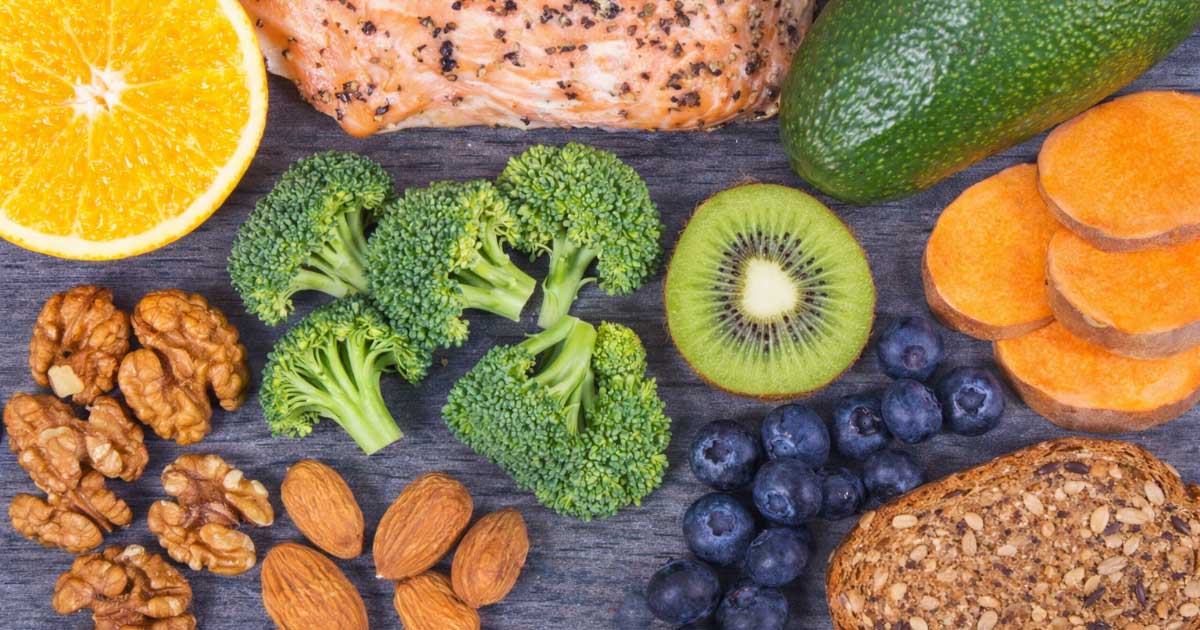
Foods for hair loss should provide protein for building hair structure, vitamins for cellular function, minerals for enzyme reactions, and healthy fats for nutrient absorption and scalp health. What are the best foods for hair growth? Those that deliver these nutrients in forms your body can easily absorb and use.
Nutrient Categories and Their Role in Hair Health
Iron and Leafy Greens
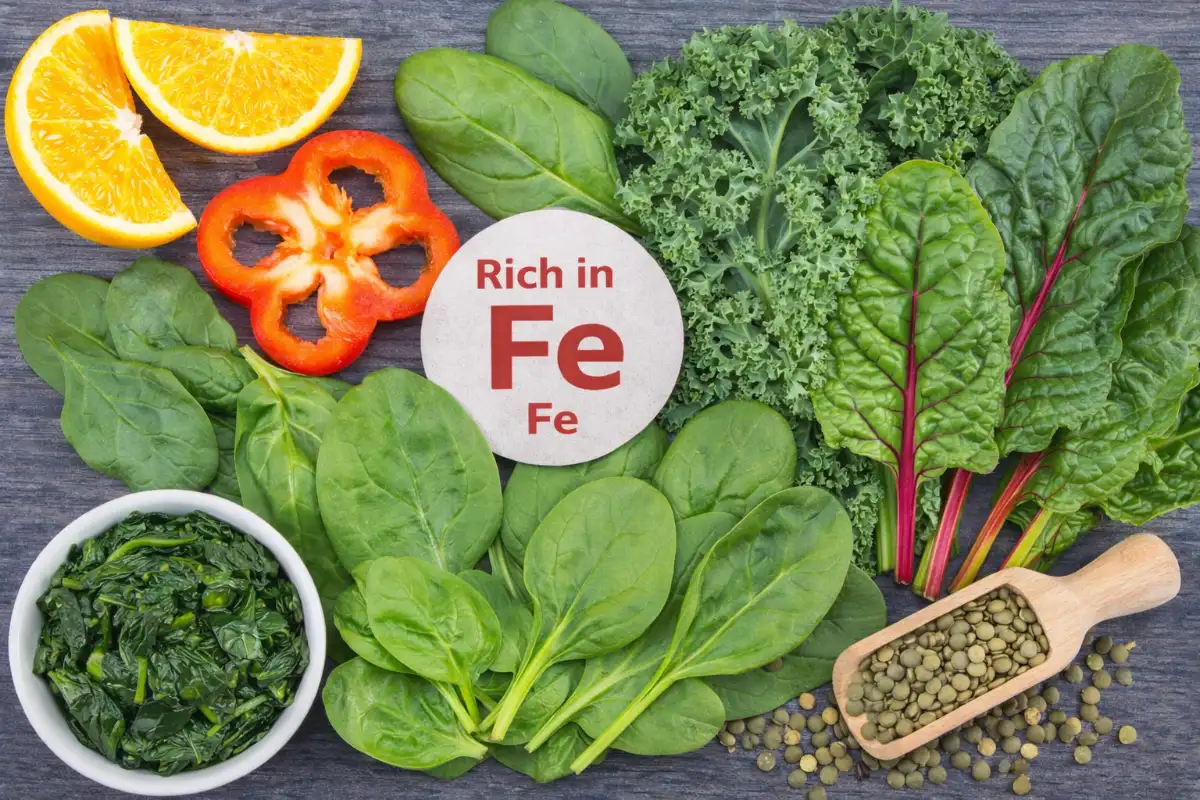
Iron is absolutely essential for hair growth. Without adequate iron deficiency, follicles become starved of oxygen and nutrients, leading to increased shedding and slowed growth.
Foods rich in zinc for hair loss often overlap with iron-rich foods. Leafy greens like spinach, kale, and Swiss chard provide non-heme iron (plant-based iron). While this form isn't absorbed as efficiently as heme iron from meat, combining it with vitamin C-rich foods significantly improves absorption.
Dark leafy greens also contain folate, vitamin A, and vitamin C - all important for hair health. A single cup of cooked spinach provides nearly 40% of your daily iron needs, plus vitamin C to help you absorb it.
Nuts, Seeds, and Vitamins
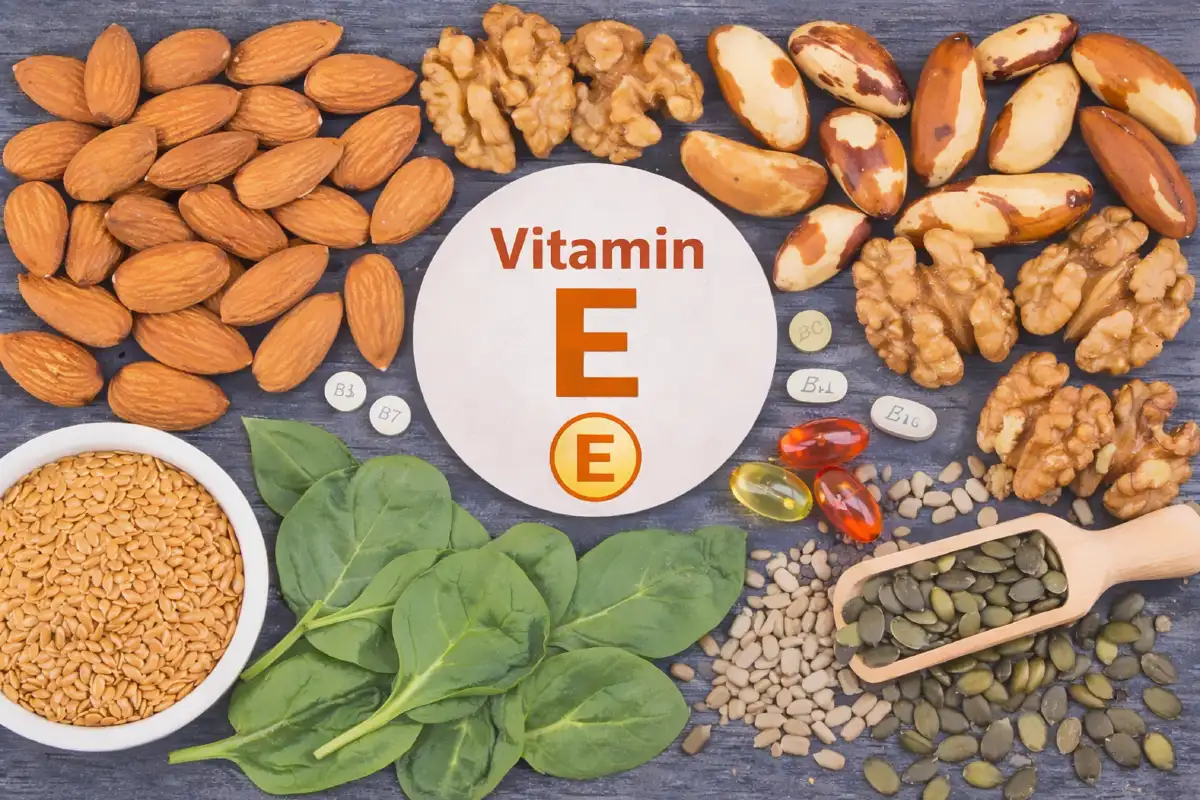
Nuts and seeds are nutritional powerhouses for hair. They provide protein, healthy fats, vitamins, and minerals all in one convenient package. Almonds, walnuts, Brazil nuts, and pumpkin seeds are particularly beneficial.
These foods contain vitamin E, an antioxidant that protects hair follicles from oxidative stress. They also provide B vitamins, selenium, and zinc. Walnuts are one of the few plant sources of omega-3 fatty acids, which nourish the scalp and support the oil layer that keeps the hair shaft hydrated.
Vitamins, Minerals, and Realistic Expectations
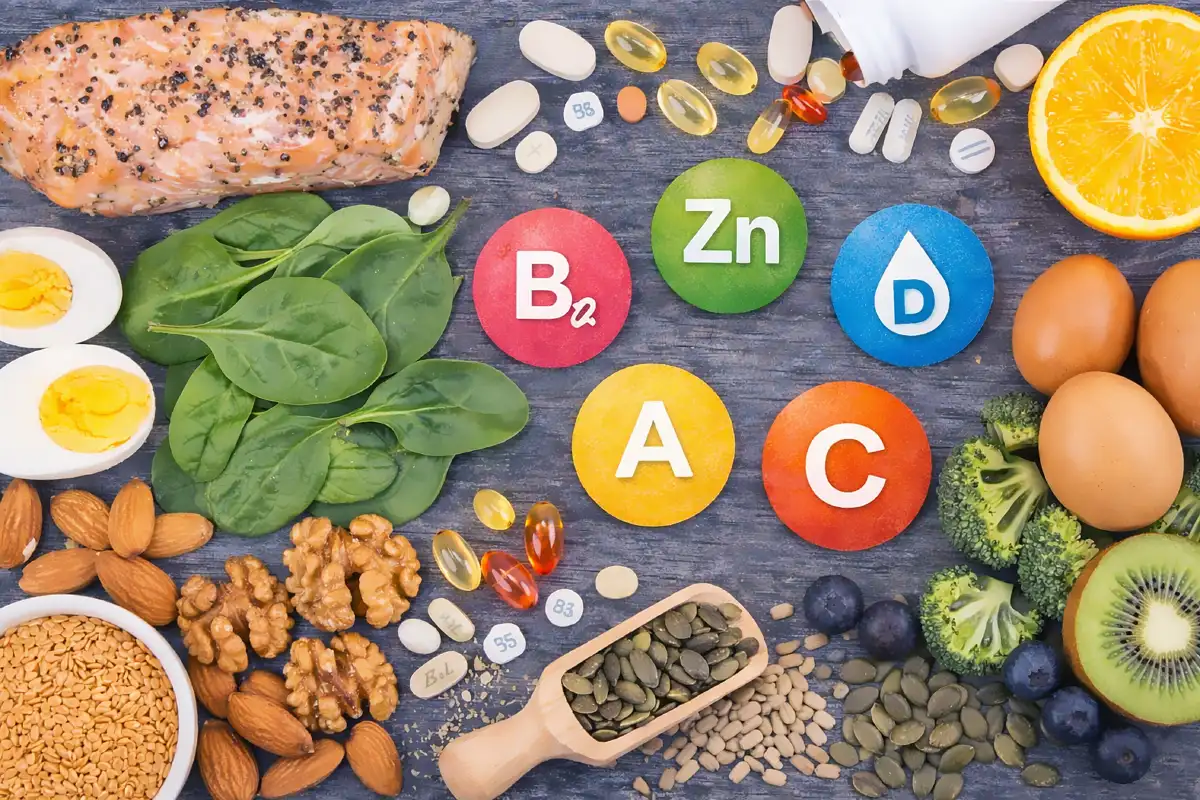
It's important to understand that vitamins and minerals work together, not in isolation. The best foods for healthy hair growth provide balanced nutrition rather than mega-doses of single nutrients.
Supplements can help when you have documented deficiencies, but they won't accelerate hair growth beyond your genetic potential in someone already well-nourished. Foods for hair loss recovery work best as part of a comprehensive approach that includes addressing any underlying health issues, managing stress, and using appropriate hair care practices.
Essential Vitamins for Hair Growth
Vitamin C
This powerful antioxidant does several things for your hair. First, it helps your body absorb iron from plant sources. Second, it's essential for collagen production - collagen provides structure to hair and helps strengthen the shaft. Third, vitamin C protects against oxidative stress from free radicals.
Fruits and vegetables high in vitamin C include citrus fruits, strawberries, bell peppers, Brussels sprouts, oranges, and broccoli. Including these foods to eat for hair loss at every meal helps maintain consistent levels since vitamin C isn't stored in the body.
Vitamin D
Research increasingly links vitamin D deficiency with hair loss, particularly alopecia areata and telogen effluvium. Vitamin D plays a role in creating new hair follicles and may help wake up dormant follicles.
Unfortunately, few foods naturally contain vitamin D. Fatty fish like salmon and mackerel, egg yolks, and fortified dairy products are your best dietary sources. Since it's difficult to get enough from food alone, many people benefit from supplementation, especially during winter months or if they live in northern latitudes.
Biotin
Biotin, also called vitamin B7, is heavily marketed for hair health. However, the scientific evidence shows that biotin only helps people who are actually deficient in it - and true biotin deficiency is rare. Most people get adequate biotin from their diet without supplementation.
That said, ensuring adequate intake certainly doesn't hurt. Eggs are an excellent source, providing biotin in the yolk. Other good sources include sweet potatoes, nuts, seeds, and salmon. If you eat a varied diet, you're probably getting enough biotin already.
Critical Nutrients for Hair Structure
Lean Proteins (Protein)
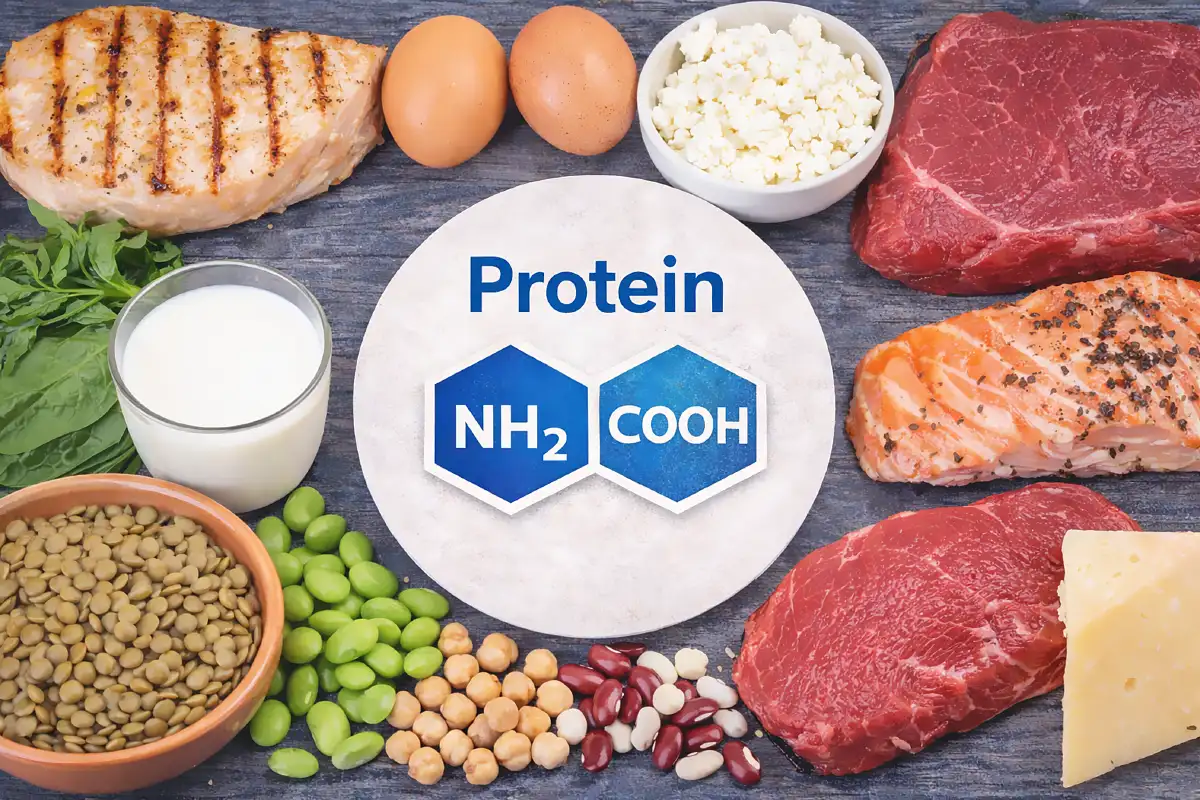
Since hair is made of protein, adequate protein intake is non-negotiable for healthy hair growth. Your body constantly needs amino acids (protein building blocks) to manufacture new hair cells.
Best foods to eat for hair growth include lean meats, poultry, fish, eggs, legumes, and dairy products. Aim for at least 0.8 grams of protein per kilogram of body weight daily, and more if you're very active or recovering from illness.
Protein deficiency can cause hair to enter the resting phase prematurely, leading to noticeable thinning several months later. This is one of the most common foods for hair loss prevention strategies - simply ensuring you eat enough protein consistently.
Are Fats Beneficial for Hair?
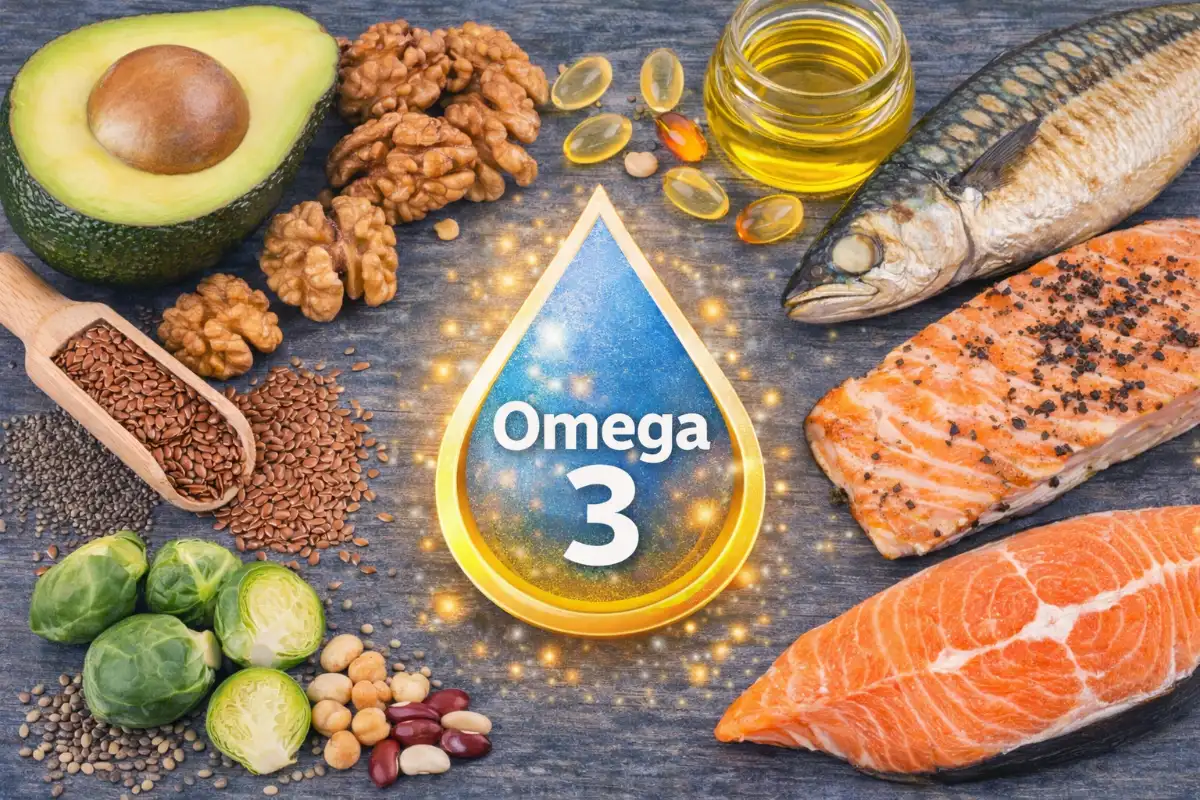
Absolutely. Healthy fats are essential for absorbing fat-soluble vitamins (A, D, E, and K) and for maintaining scalp health. Your scalp produces natural oils that keep hair moisturized, and dietary fats support this process.
Foods high in omega-3s deserve special mention. These anti-inflammatory fats nourish hair follicles and may help reduce hair shedding. Fatty fish like salmon, mackerel, sardines, and herring are the best sources. For plant-based options, choose walnuts, flaxseeds, and chia seeds.
Avoid trans fats and limit saturated fats, but don't fear healthy fats from nuts, seeds, avocados, olive oil, and fatty fish. These best foods for hair health and growth provide nutrients that keep your scalp and hair in optimal condition.
Do Carbohydrates Help?
Complex carbohydrates play an indirect but important role in hair health. They provide energy for the rapid cell division that occurs in hair follicles. They also contain B vitamins, fiber, and various minerals.
Whole grains like oats, brown rice, quinoa, and whole wheat provide sustained energy along with iron, zinc, and B vitamins. They're much better for hair health than refined carbohydrates, which cause blood sugar spikes and provide few nutrients.
Mineral Powerhouses for Hair
Zinc
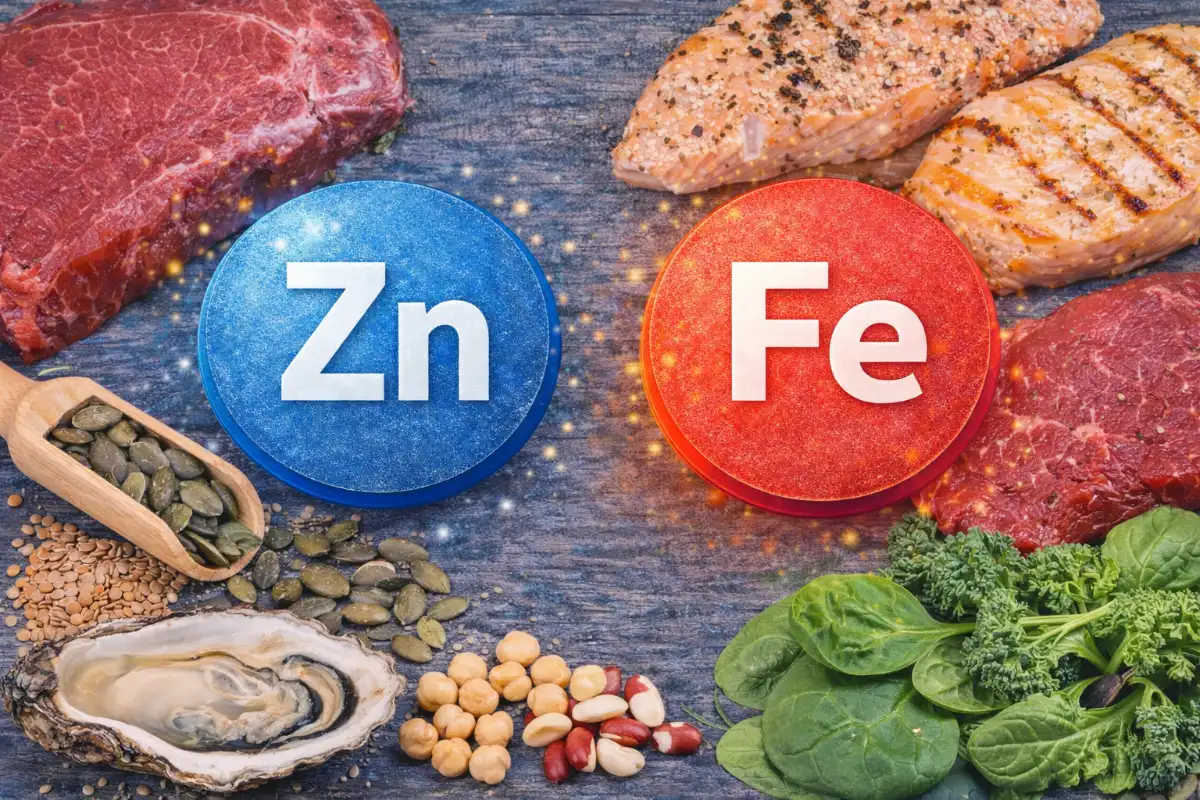
Zinc supports hair growth and repair, and it helps keep oil glands around follicles working properly. Zinc deficiency is usually connected with scalp issues and hair loss. However, too much zinc can actually interfere with copper absorption and cause problems, so balance is key.
Shellfish, particularly oysters, are incredibly rich in zinc. Other good sources include beef, pumpkin seeds, lentils, and chickpeas. Most people get adequate zinc from a varied diet, but vegetarians and vegans may need to pay extra attention since plant-based zinc is less easily absorbed.
Iron
We mentioned iron earlier with leafy greens, but it deserves its own section because iron deficiency is one of the most common nutritional causes of hair loss, especially in women. The connection between iron deficiency hair loss and nutrition is well-established in research.
Heme iron from animal sources (red meat, poultry, fish) is more easily absorbed than non-heme iron from plants. If you're vegetarian or vegan, combine iron-rich foods with vitamin C sources to maximize absorption. What foods to eat for hair loss related to iron deficiency standard list includes lean red meat (in moderation), chicken, turkey, lentils, beans, and fortified cereals.
Top Foods for Hair Health
Foods High in Omega-3s
Fatty fish tops the list of top foods for hair loss prevention. Salmon, mackerel, herring, and sardines provide omega-3 fatty acids, protein, vitamin D, and B vitamins - a complete package for hair health.
At least two servings of fatty fish per week is a must. For those who don't eat fish, algae-based omega-3 supplements provide an alternative, though they don't offer the same complete nutrient profile as whole fish.
Eggs
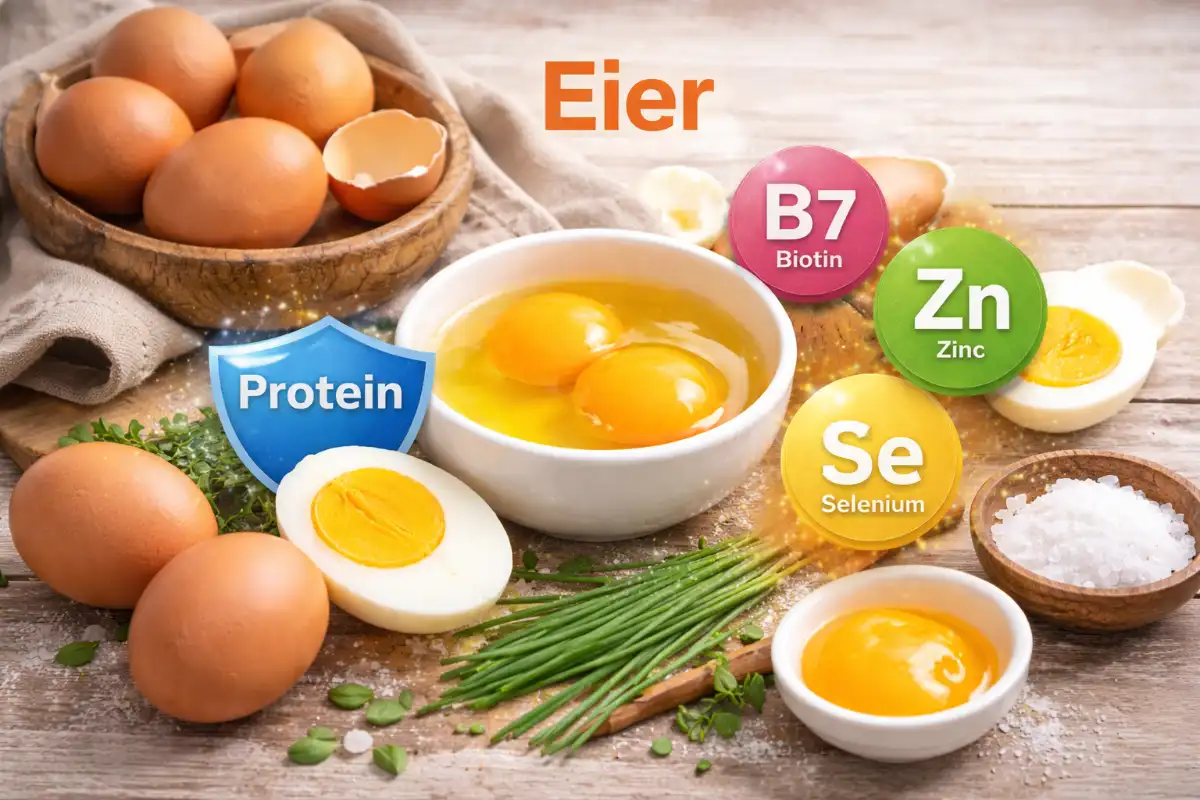
Eggs rank among the best foods to eat for hair loss because they're nutritional powerhouses. One egg provides high-quality protein, biotin, zinc, selenium, and other nutrients important for hair health.
The yolk contains most of these nutrients, so don't skip it. Whether you prefer them scrambled, boiled, or poached, eggs are an affordable and versatile way to support hair health. Many of the top 5 foods to prevent hair loss lists include eggs for good reason.
Whole Grains
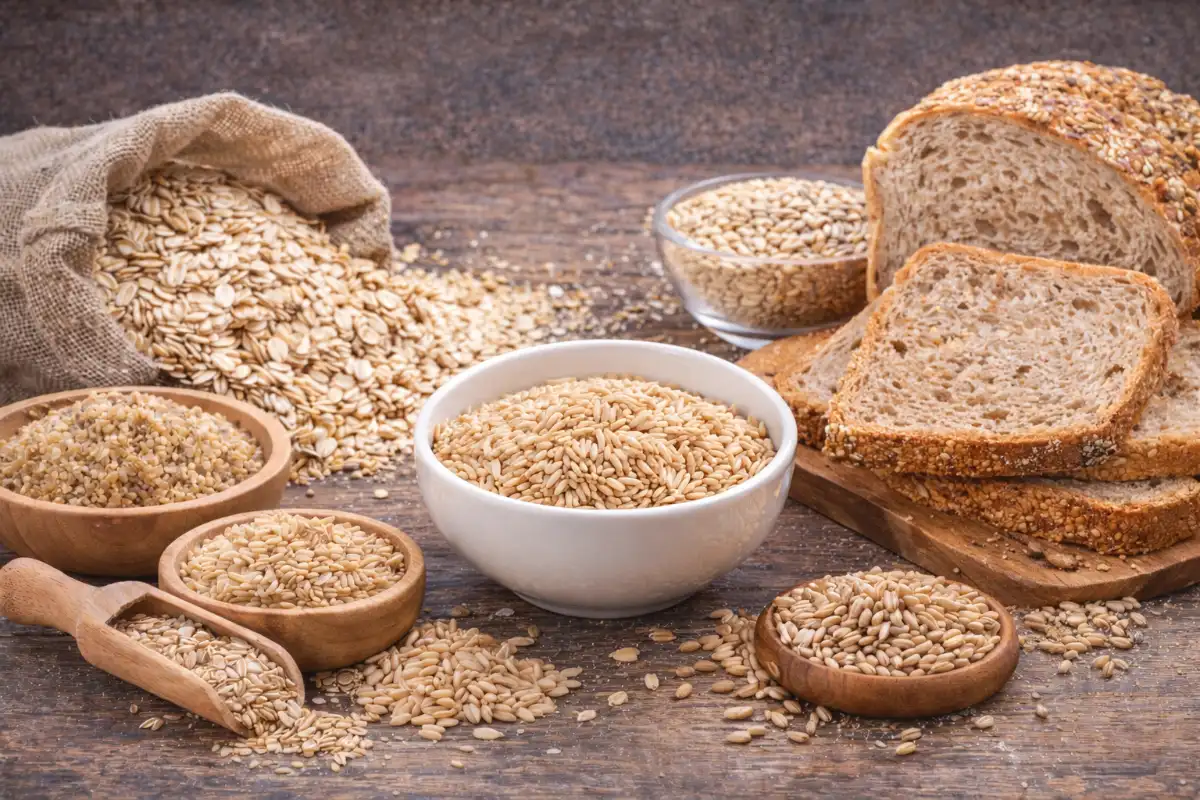
Whole grains provide B vitamins, iron, zinc, and fiber. They supply sustained energy for the metabolically active hair follicles and help prevent blood sugar spikes that might indirectly affect hair health through hormonal mechanisms.
Choose steel-cut oats, quinoa, brown rice, barley, and whole wheat bread over refined grain products. These foods that are good for hair loss prevention work best when they replace refined grains rather than just being added to your diet.
Leafy Greens
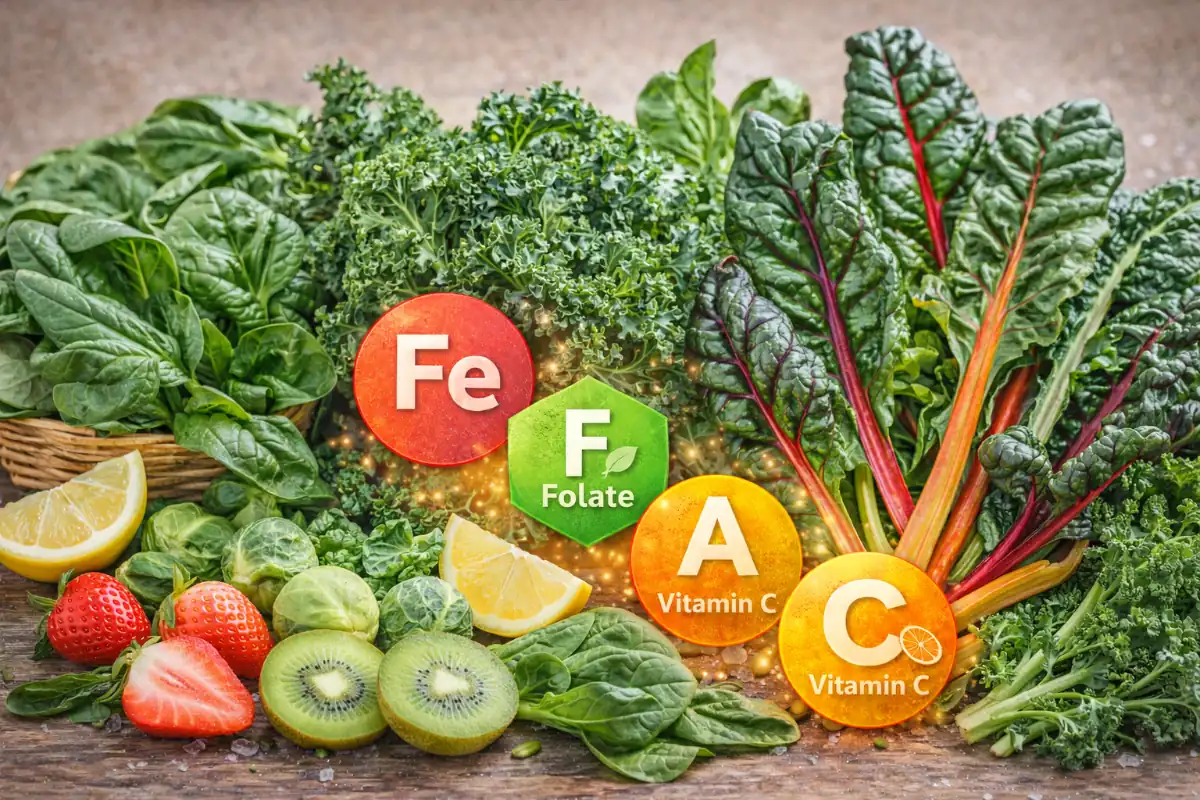
Dark, leafy greens like spinach, kale, and Swiss chard appear on virtually every list of best foods for hair growth. They provide iron, folate, vitamin A, and vitamin C.
Vitamin A helps skin glands produce sebum, the oily substance that moisturizes the scalp and keeps hair healthy. However, too much vitamin A can actually cause hair loss, so it's best to get it from food rather than high-dose supplements unless directed by a doctor.
Fruits and Vegetables High in Vitamin C
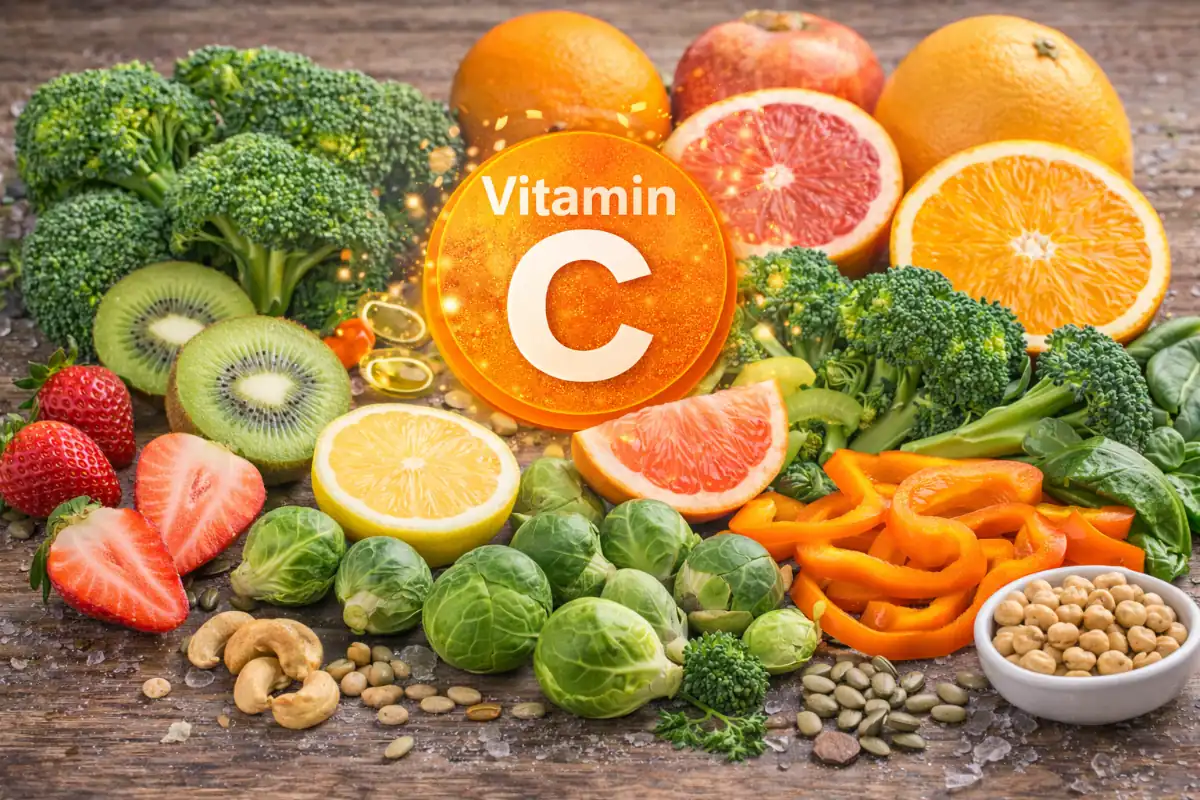
Beyond their iron-absorption benefits, fruits and vegetables high in vitamin C protect hair follicles from oxidative damage. Vitamin C is also essential for collagen production, which strengthens hair and may help prevent breakage.
Strawberries, kiwi, guava, and Brussels sprouts are also excellent choices. Include a variety of colorful fruits and vegetables to ensure you get a range of antioxidants and phytonutrients.
Shellfish
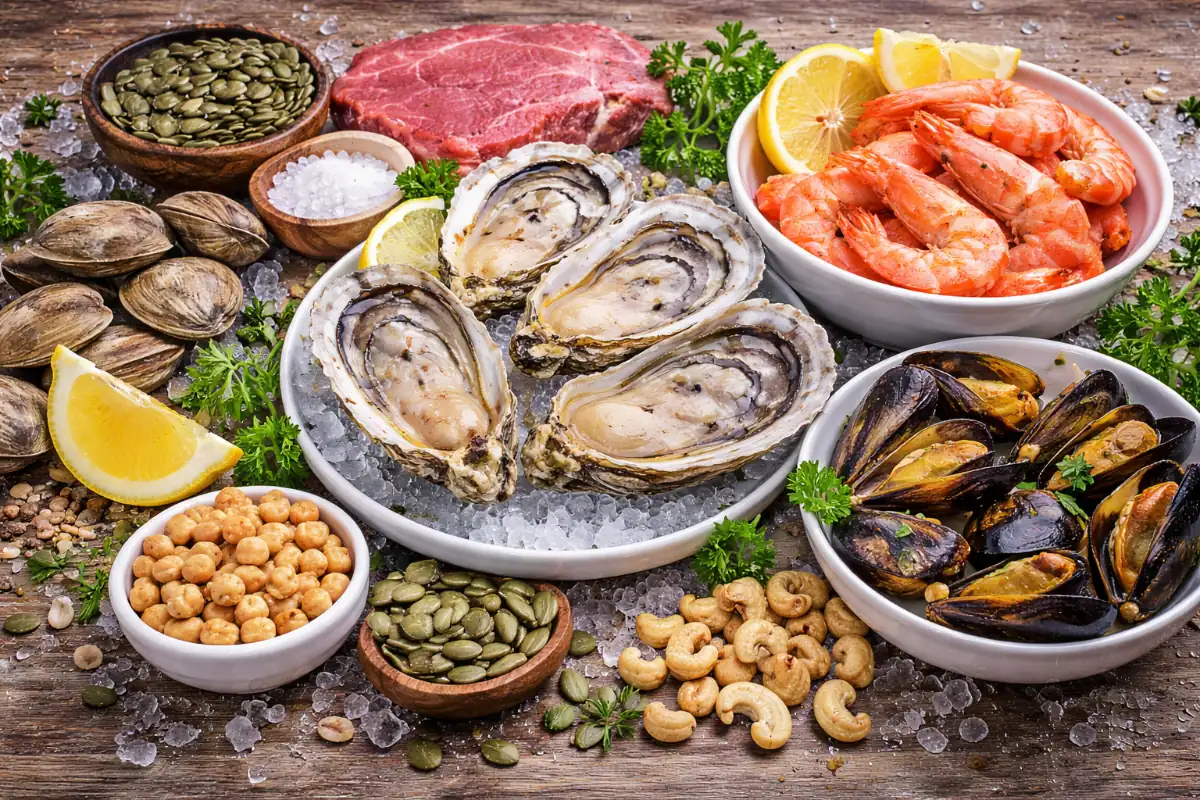
Shellfish, especially oysters, provide more zinc per serving than any other food. They also offer iron, selenium, and omega-3 fatty acids. Other shellfish like clams, mussels, and shrimp also contribute valuable nutrients for hair health.
If you don't eat shellfish, get zinc from beef, pumpkin seeds, cashews, or chickpeas instead. These are the alternatives that work well and these are the answer to the question of what foods are good for hair loss as part of a varied diet.
Water
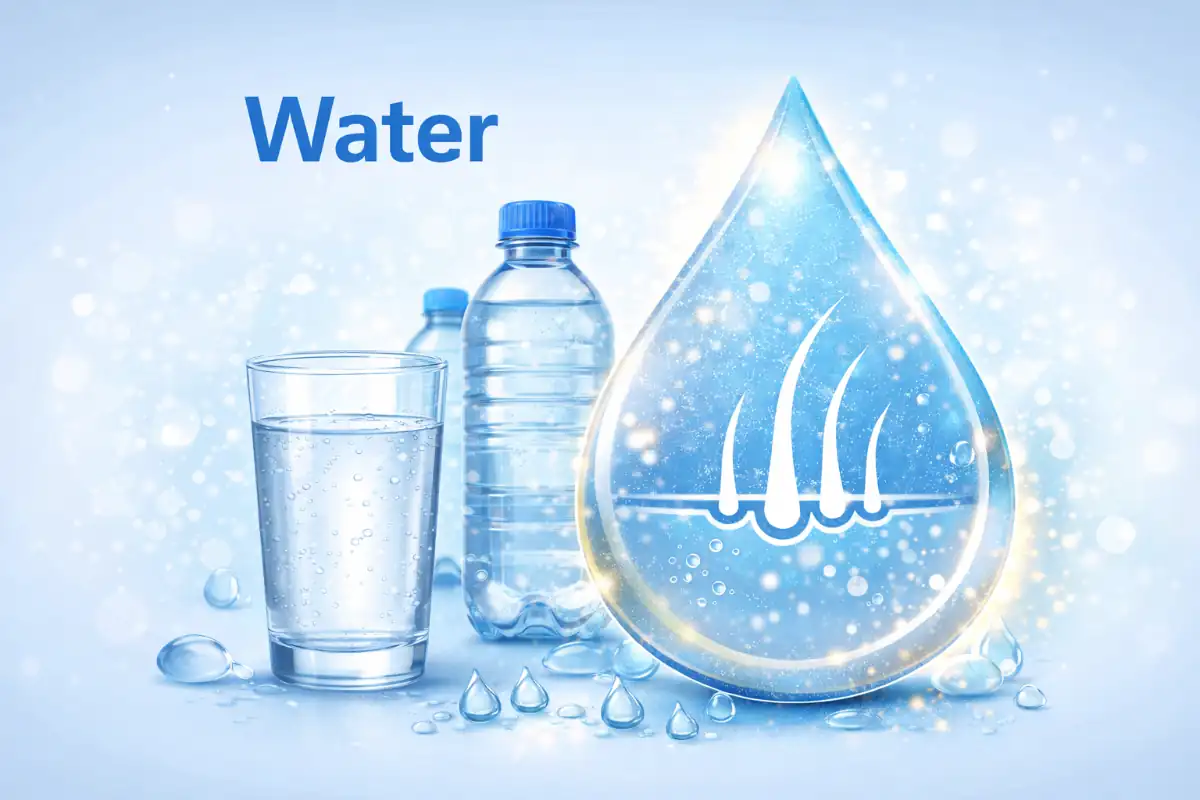
While not technically a food, water deserves mention because dehydration affects hair health. Hair shafts are about 25% water, and adequate hydration helps hair stay supple and less prone to breakage.
Dehydration can slow hair growth and make hair appear dull and brittle. Limit your daily water usage to 8-10 glasses or even more in case you live in a hot climate or are active. This is one of the simplest foods for hair loss in women (and men) strategies to implement.
Best Foods for Women's Hair Health
Hair loss women's nutrition needs differ somewhat from men's due to hormonal fluctuations, pregnancy, and menstruation. Women of childbearing age lose iron monthly and need to prioritize iron-rich foods.
Best foods for hair loss in women include iron-rich options like lean red meat, fortified cereals, lentils, and spinach combined with vitamin C sources. What to eat for hair loss women should keep in mind and also emphasize: foods rich in B vitamins, particularly folate, which is crucial during pregnancy and may help prevent hair thinning.
Foods for hair loss in women should also include plenty of omega-3 rich foods to help balance hormones and reduce inflammation. Nutrition for hair loss in women must address the unique challenges of hormonal changes during menstruation, pregnancy, postpartum, and menopause.
Foods for hair loss in females need to be consistently nutritious since women's bodies are more sensitive to nutritional deficiencies affecting hair. The top 5 foods to prevent hair loss female - addressed list would include eggs, salmon, spinach, sweet potatoes, and Greek yogurt - each providing multiple nutrients women commonly lack.
What Foods Are Good for Stopping Hair Loss in Women?
The best foods for hair loss prevention for women focus on correcting common deficiencies. Incorporate iron-rich proteins, vitamin C-rich fruits and vegetables, whole grains for B vitamins, and healthy fats for hormone balance.
Foods that help with hair loss women experience includes probiotic-rich options like yogurt and kefir, which support gut health and nutrient absorption. Many women find that improving gut health leads to better hair health as nutrient absorption improves.
Best Foods for Men's Hair Health
Best foods for hair growth men - targeted lists largely overlap with women's needs, but men may have different priorities. Men typically don't face iron deficiency as often (though it can happen), but they may be more prone to pattern baldness related to DHT sensitivity.
While no food can prevent genetic male pattern baldness, good nutrition supports overall hair health and may slow the process. What are the best foods to eat for hair growth for men? The list includes protein-rich foods for maintaining muscle mass and supporting hair follicle function.
Men should focus on foods rich in antioxidants to protect follicles, omega-3s to reduce inflammation, and adequate protein for hair structure. Zinc is particularly important for men's hormonal health and hair growth.
Foods That Won't Help - And May Harm
Worst Foods for Hair Loss
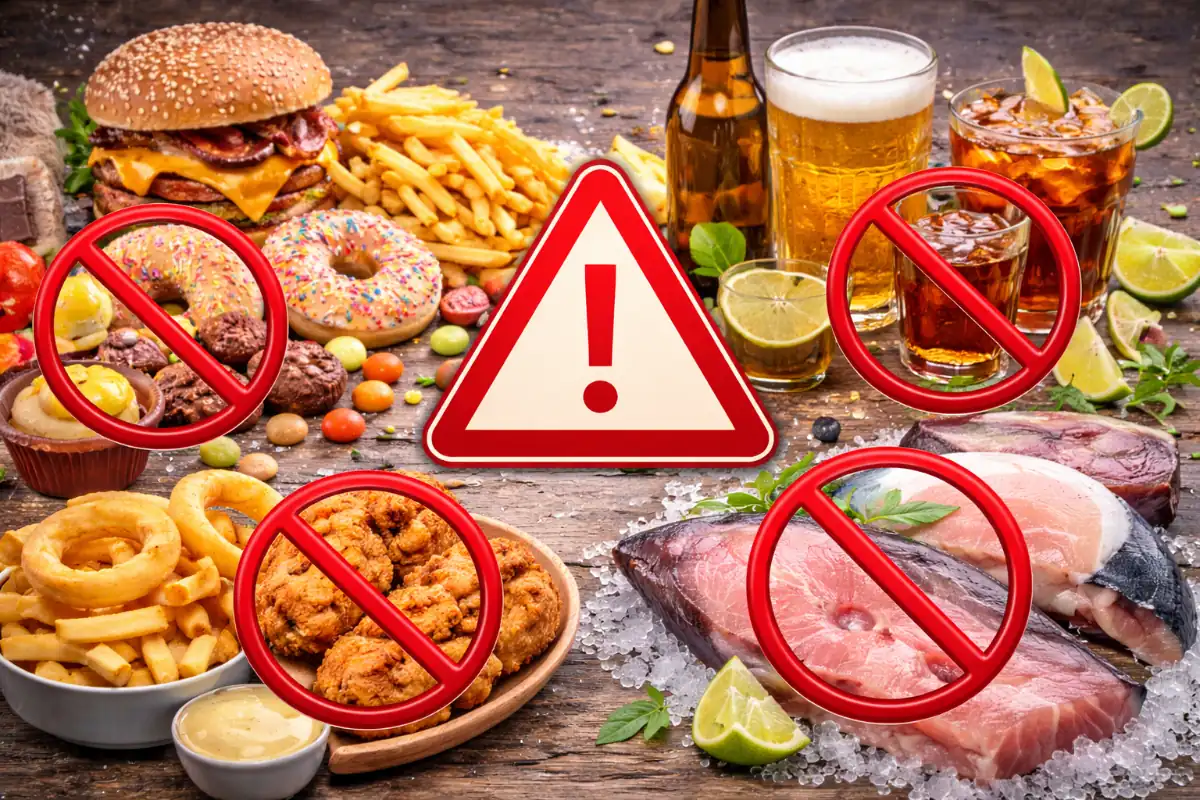
Just as some foods support hair health, others can undermine it. Foods to avoid for hair loss include those that cause inflammation, blood sugar spikes, or interfere with nutrient absorption.
Worst foods for hair loss include high-sugar processed foods, excessive alcohol, high-mercury fish, and fried foods. These don't directly cause hair loss in most people, but they can worsen existing issues or contribute to nutritional imbalances.
High-sugar foods cause insulin spikes that may affect hormone levels and inflammation. Excessive alcohol interferes with nutrient absorption and can lead to deficiencies. Fried foods and trans fats promote inflammation throughout the body, potentially affecting hair follicles.
What not to eat for hair loss - there is a serious concern about this. So, a not-to list includes excessive amounts of certain fish high in mercury (shark, swordfish, king mackerel), as mercury toxicity can cause hair loss. Moderate fish consumption focusing on low-mercury options is better.
Guidelines for Hair-Healthy Eating
Foods for hair loss prevention work best as part of consistent healthy eating patterns rather than dramatic dietary changes or restrictive diets. Here are evidence-based guidelines:
Eat Adequate Protein Daily: Include protein at every meal from varied sources - fish, poultry, lean meat, eggs, legumes, and dairy products. This ensures a steady supply of amino acids for hair protein synthesis.
Prioritize Whole Foods Over Supplements: While supplements help correct deficiencies, whole foods provide nutrients in combinations that work synergistically. The best foods for hair growth deliver multiple beneficial compounds that supplements can't replicate.
Don't Over-Restrict Calories: Crash diets and severe calorie restriction almost always cause temporary hair loss. Your body needs energy and nutrients for hair growth. Balance Your Fats: Include omega-3 rich foods regularly while limiting saturated fats and avoiding trans fats completely. This top foods for hair loss strategy reduces inflammation and supports scalp health.
Stay Hydrated: A good plenty of water a day is a must. Dehydration affects every body system, including hair follicles.
Time Your Nutrients Strategically: Combine iron-rich plant foods with vitamin C sources to maximize absorption. For example, add lemon juice to your spinach salad or eat strawberries with your iron-fortified cereal.
Be Patient: Nutritional interventions take time to show results in hair health. Hair grows slowly (about half an inch per month), and new growth needs to emerge from the scalp before you notice improvements. Give dietary changes at least three to six months before expecting visible results.
Address Underlying Issues: If you're eating well but still losing hair, see a healthcare provider to rule out medical conditions, hormonal imbalances, or medication side effects that may require treatment beyond dietary changes.
The best foods for hair growth provide protein for hair structure, vitamins for cellular function, minerals for enzyme reactions, and healthy fats for scalp health and nutrient absorption. No single food or supplement will magically transform your hair, but a consistently nutritious diet creates the foundation for healthy hair growth.
Foods that help with hair loss work by providing the raw materials your body needs to grow strong, healthy hair. The foods good for hair loss prevention are simply those that support overall health - a varied diet rich in lean proteins, colorful fruits and vegetables, whole grains, and healthy fats.
For those wondering what are the best foods for hair growth, the answer is a balanced diet featuring fatty fish, eggs, leafy greens, nuts and seeds, whole grains, lean proteins, and plenty of fruits and vegetables. These best foods to eat for hair growth provide comprehensive nutrition rather than focusing on any single "superfood".
If hair loss persists despite good nutrition, consult with a healthcare provider to identify any underlying medical issues that need attention.