


Hair loss in men is just as common a problem as hair loss in women. Yet this is exactly the kind of problem men tend to face alone. A visit to a dermatologist or trichologist gets put off again and again, and hair loss after 40 is often treated by society as something perfectly normal. Today, let's open the door on this topic a little - let's look at why hair falls out, whether it's actually possible to slow the process down, and what to do once there's more and more hair collecting on your comb and less and less on your head.
Is Hair Loss in Men Normal?
Generally speaking, everyone loses hair. Losing up to 50-100 hairs a day is, on average, part of the natural growth cycle. Some hair follicles enter a resting phase, and the hairs attached to them fall out, while other follicles stay active.
When should you start paying closer attention?
- You notice more hair than usual in the shower, on your pillow, or on your comb.
- A noticeable recession from your usual hairline appears.
- The area at the crown starts thinning out.
- Hair loss is accompanied by other issues - itching, dandruff, redness, and so on.
How Is Male Hair Loss Different From Female Hair Loss?
One reason it's worth discussing hair loss in men separately from hair loss in women is that it follows a different pattern. Androgenetic alopecia in men develops according to a specific pattern shaped by where the follicles sensitive to dihydrotestosterone (DHT) are located.
The Nature of Androgenetic Alopecia
With Male Pattern Hair Loss (MPHL), DHT-sensitive hair follicles are the first to suffer. These are typically found in the front-temporal area and at the crown. That's why hair loss in men usually follows a similar pattern:
- It starts with a slight, almost unnoticeable recession of the hairline.
- Hair loss at the temples gradually gets worse.
- Along with this, or shortly after, the hair at the crown becomes noticeably thinner and weaker.
- In some cases, the process continues to the point where hair remains only at the back and sides of the head.
Hair loss itself is a sign that's hard to miss, but it's usually preceded by a decline in hair quality that can be noticed too. Under the influence of DHT, follicles first go through miniaturization. Then the active growth phase shortens while the resting phase gets longer. Cycle by cycle, the hair grows weaker and less actively.
If these early changes are identified promptly, appropriate medical assessment and suitable hair care may help support scalp health. The outcome depends on the underlying cause of the hair loss. In some cases, after the underlying cause has been addressed, new hair growth may become visible. The extent of regrowth varies from person to person.
The intensity and stage of hair loss in men are typically assessed using the Norwood-Hamilton scale. This scale describes seven stages of balding, from minor hairline recession all the way to hair remaining only at the back and sides.
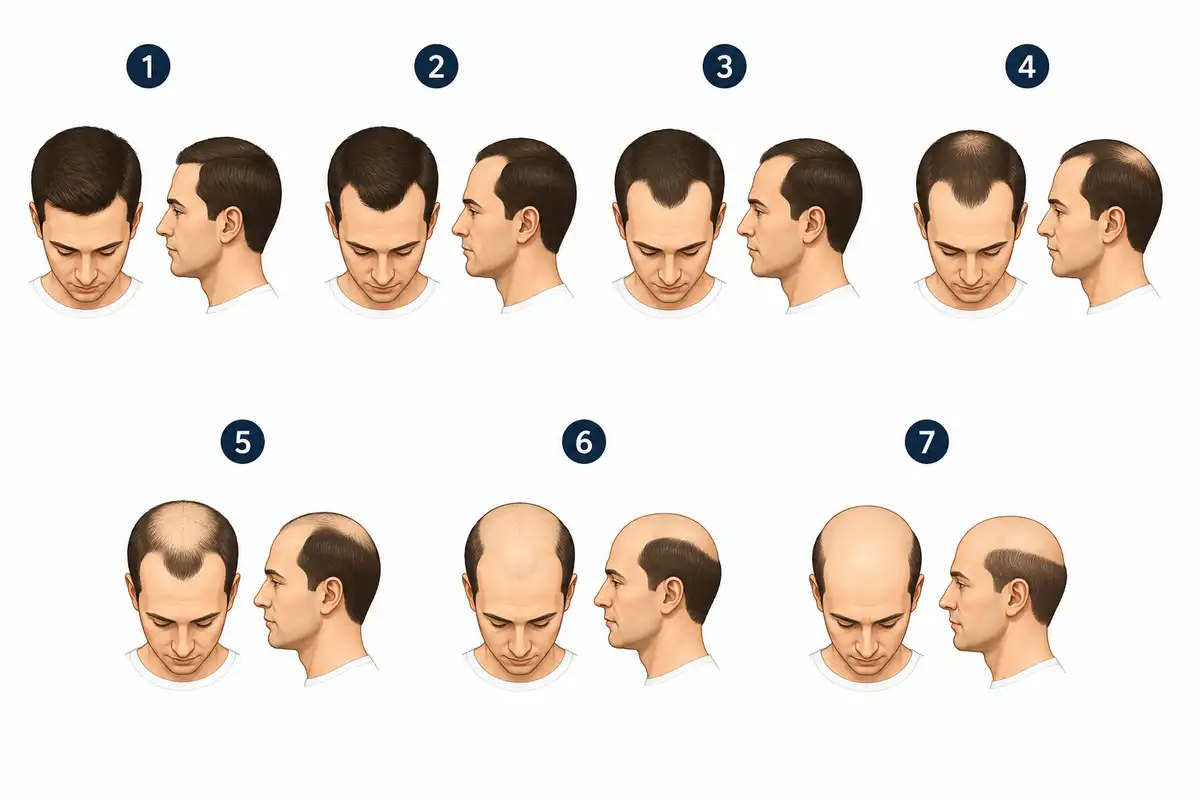
Norwood-Hamilton scale
- Stage 1 - No significant hair loss
- Stage 2 - Slight recession at the temples
- Stage 3 - Pronounced temple recession
- Stage 4 - Receding hairline and crown thinning
- Stage 5 - Advanced hair loss at the crown
- Stage 6 - Extensive hair loss on the top of the scalp
- Stage 7 - Only a horseshoe-shaped rim of hair remains
Hair loss in women differs from the male pattern in that it usually shows up as diffuse thinning, especially in the central part of the scalp, while the front hairline tends to stay intact.
Why Do Men Lose Hair?
The main cause of hair loss in men is the hereditary androgenetic alopecia described above - that is, individual follicles being overly sensitive to the hormone DHT (dihydrotestosterone). But that's not the only possible cause. Some triggers can set the problem off in both men and women. These include:
- Stress, which can push follicles into a resting phase prematurely.
- Deficiencies in iron, zinc, vitamin D or biotin, which negatively affect hair growth since the body isn't getting enough of what it needs overall.
- Hormonal fluctuations - changes in testosterone levels or thyroid hormones.
- Autoimmune conditions, where the immune system mistakenly attacks hair follicles.
- Diabetes, which disrupts the body's metabolism.
- Side effects of certain medications. Chemotherapy has the most aggressive effect on hair, but other medications can cause this side effect too.
- Inflammatory processes - psoriasis, seborrheic dermatitis, bacterial infections - all of these can negatively affect the follicles and ultimately lead to hair loss in men.
Sudden, Severe Hair Loss in Men
So far we've talked about cases where the problem develops gradually. But sometimes balding happens suddenly, progresses quickly, and gets worse almost before your eyes.
In these cases, seeing a doctor is essential - not so much to save the hair, but to identify the underlying cause. This could be the acute stage of some condition, a reaction to stress, a reaction to a recently started treatment plan, and so on.
Finding the cause matters because it's the only way to actually address it. If you notice unusually intense hair loss, don't hesitate to see a general practitioner - this matters not so much for your appearance as for your overall health.
What May Help With Hair Loss in Men?
The first step toward solving the problem is finding its cause. Here's what to do:
| Step | Why is it important? |
|---|---|
| See a doctor and work out a plan of action | The first step is to identify the likely cause of hair loss and decide which examinations or treatment options may be needed |
| Get tested | Blood tests can help detect nutrient deficiencies, inflammation, hormonal imbalances, or other underlying health conditions that may contribute to hair loss |
| Follow up with your general practitioner or book an appointment with a specialist | Once the test results are available, your doctor can develop an individualized treatment plan and recommend the most appropriate next steps |
Adjusting Your Lifestyle
This is probably the hardest part, since it sometimes calls for rethinking your habits altogether. Still, it's a genuinely useful step - not just for your hair, but for your overall wellbeing. Worth doing:
- Cut out harmful habits.
- Make sure you're getting proper, healthy sleep.
- Establish regular and balanced nutrition.
- Correct any existing vitamin or nutrient deficiencies.
- Add moderate physical activity, which is good for circulation.
Scalp Care

Supporting hair growth from within matters most, but external care plays a real role too. Take a look at the products you're already using. Keep only the ones with a gentle formula on your bathroom shelf - skip anything promising "deep" or "intensive" cleansing. If you're in an acute shedding phase, hold off on scrubs and strong chemical peels for the same reason. During periods of increased hair shedding, gentle scalp care is generally recommended.
Products that may be suitable include:
- A shampoo for sensitive scalps.
- A conditioner to use after every wash.
- A mask to use once or twice a week.
- A lotion to nourish and hydrate the scalp.
Which Products From the DSD Range May Be Suitable?
Take a look at the products on the Alopecia page. It brings together products formulated to help care for the scalp and improve the cosmetic appearance and condition of the hair. They are not intended to treat or cure hair loss but may complement an overall scalp care routine.
On this page, you'll find:
- 2.1 Antidandruff Shampoo and other shampoos intended for hair prone to thinning.
- 3.4.3A Fresh Cells Wondercell Lotion and other leave-in scalp serums.
- 4.4.1 Royal Jelly + Green O₂ for extra scalp care.
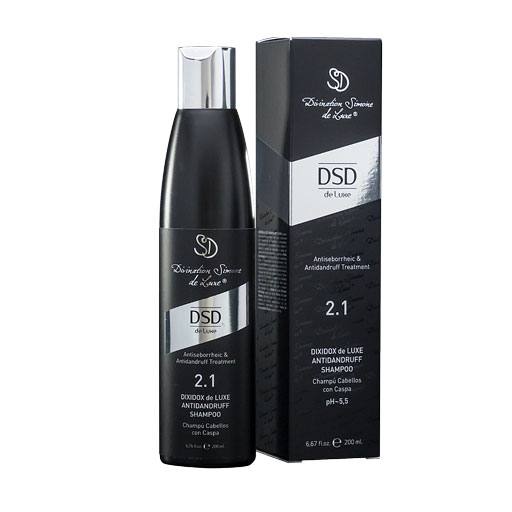


These cosmetic products are not a substitute for medical diagnosis or treatment, but they may complement an overall scalp care routine.
Radical Ways to Bring Hair Back
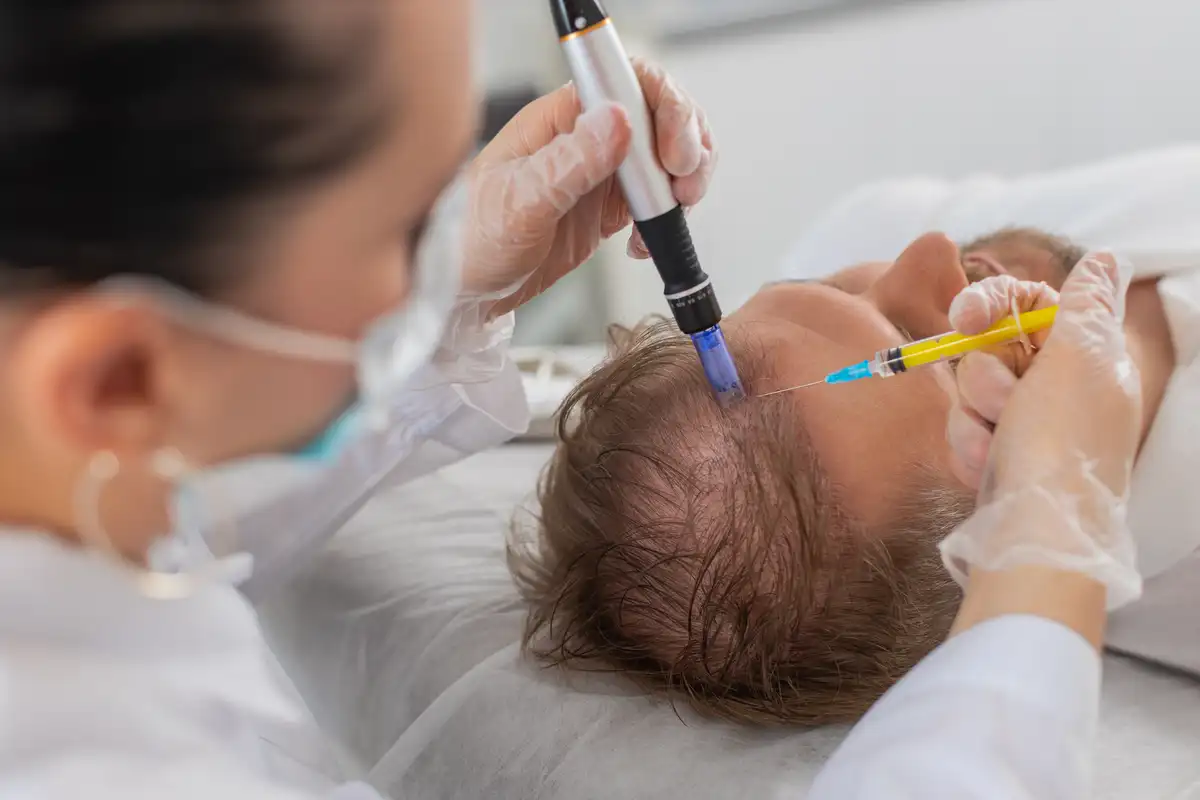
In cases where androgenetic alopecia has started progressing too aggressively, and hair loss has reached stages 3-7, all the methods listed above may turn out not to be enough. In such cases, a doctor may prescribe more targeted treatment. This can include:
- Medication therapy. Depending on the diagnosis, a physician may recommend prescription medications where appropriate. The choice of treatment depends on the individual's medical condition and should always be made by a qualified healthcare professional.
- Scalp mesotherapy. This method involves injecting the scalp with peptides, amino acids, vitamins, or other components.
- PRP therapy (platelet-rich plasma therapy). This is also an injection-based method for treating hair loss in men and women. What sets it apart is that the doctor first draws the patient's own blood, extracts plasma from it, and then injects that plasma into the scalp.
- LLLT or LED therapy. Using special devices, a doctor can stimulate the hair follicles. This is usually used as an additional therapy as part of a broader treatment plan.
- Hair transplantation. In critical cases, when follicles have thinned to the point that they no longer produce new hair, patients may be advised to undergo a hair transplant. This is a microsurgical procedure in which healthy follicles from other areas are removed and implanted into the affected area. Hair transplantation is considered an established treatment option for suitable candidates with advanced androgenetic alopecia.
These procedures are often used as part of a comprehensive treatment approach recommended by a healthcare professional. When combined with appropriate medical care, suitable scalp care, and a healthy lifestyle, they may contribute to an overall treatment strategy.
Can Hair Loss in Men Be Slowed Down?
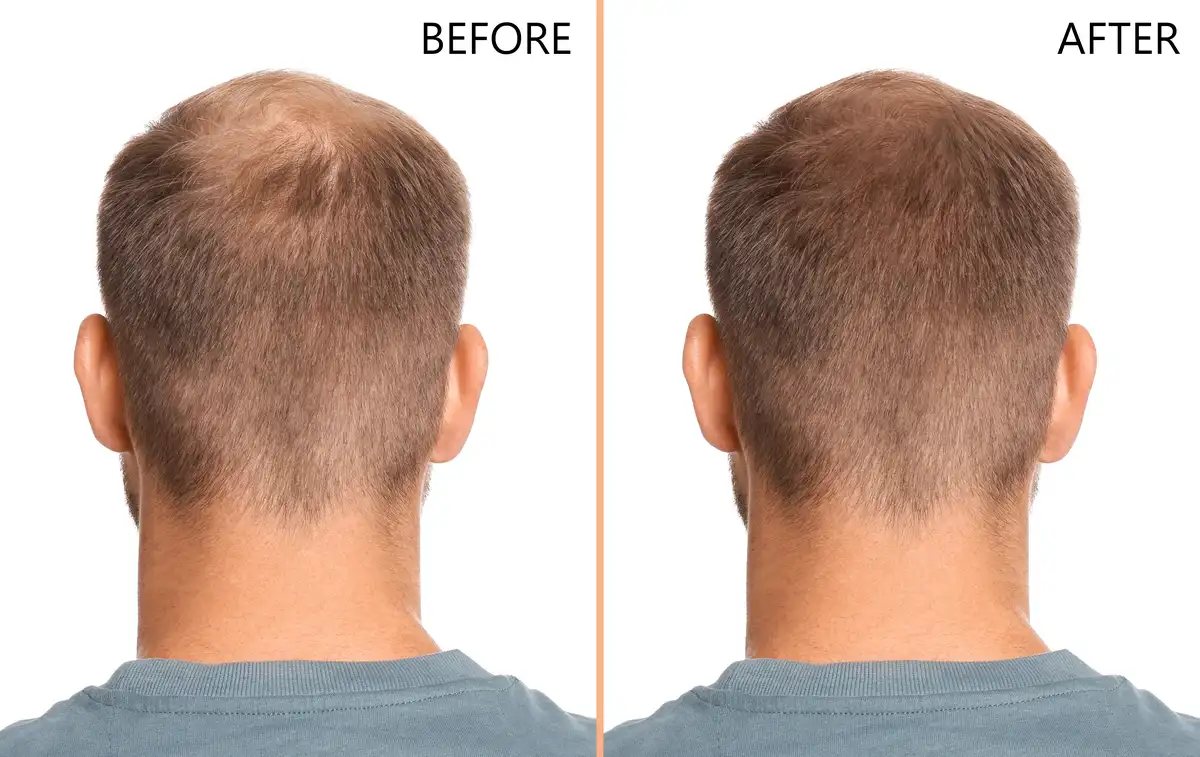
The answer depends entirely on what caused the hair loss in the first place and whether the underlying cause is being treated. If, for example, a man's hair loss turns out to be a reaction to medication and he switches to a different prescription, the shedding can slow noticeably. If hair loss is hereditary, medical treatment may help slow its progression in some individuals. Appropriate scalp care and a healthy lifestyle can support overall hair and scalp condition but cannot prevent androgenetic alopecia on their own.
Ultimately, the outcome varies from person to person, though the final answer really depends on individual circumstances. Whether hair loss slows down depends on a mix of factors - from care tailored to your hair and scalp type to the presence of acute or chronic conditions to genetic predisposition.
Conclusion
Unfortunately, there's no universal product that stops hair loss in men after just one use. As always, it comes down to consulting a doctor, identifying the root cause, and figuring out what can be changed in your own lifestyle to help. Only after that does well-chosen care come into play: nourishing and hydrating the scalp, gentle cleansing, and taking care of your hair's length. A comprehensive approach offers the best opportunity to support long-term hair and scalp health, although individual results vary.