


If you are experiencing excessive hair shedding, you are likely thinking not only about how to solve the problem but also about why it started in the first place. Hair loss can have multiple causes, some of which are related to underlying systemic health conditions. Endocrine disorders are often associated with hair thinning. During perimenopause, hormonal fluctuations and, in some women, heavy menstrual bleeding may lead to iron deficiency, which can also negatively affect hair condition.
Any condition that disrupts gastrointestinal function may significantly influence hair growth as well, since impaired digestion can interfere with the absorption of nutrients essential for healthy hair.
In some cases, laboratory testing in patients experiencing hair shedding reveals a deficiency of vitamin B7. Although uncommon, biotin deficiency may affect not only hair quality but overall well-being, as this vitamin plays a key role in essential metabolic processes throughout the body. This is why biotin for hair loss is often discussed when evaluating nutritional causes of thinning hair.
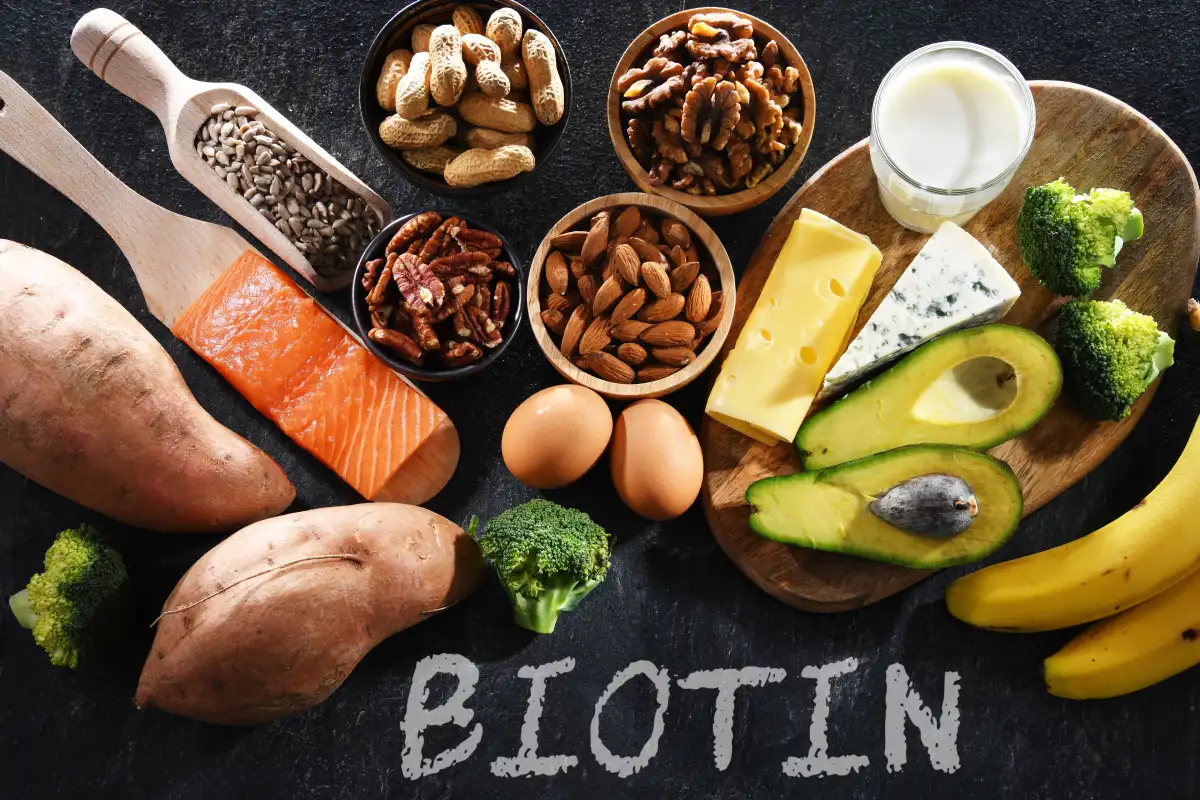
What Is Biotin?
When asking what is biotin, it is important to understand that it is a water-soluble organic compound also known as vitamin B7. Biotin belongs to the B-complex family of vitamins. It dissolves easily in water and participates in vital cellular metabolic processes. The name originates from the Greek word meaning “life” or “sustaining life,” which reflects its function in helping convert nutrients into usable energy. Biotin is synthesized in small amounts by intestinal bacteria, making complete deficiency rare, although it can occur.
Vitamin B7 participates in fatty acid and glucose metabolism - processes that take place in every cell of the body. It acts as a coenzyme in reactions responsible for normal energy production. Biotin is also involved in carbohydrate metabolism, so maintaining adequate levels is important for overall metabolic balance, including during periods of increased physical activity. However, it should not be considered a standalone treatment for hormonal disorders or blood sugar regulation.
The Effects of Biotin on the Body
Participation in Metabolism and Energy Production
The primary role of biotin in the body is related to metabolism: it helps convert carbohydrates, fats, and proteins into energy that the body uses throughout the day. Without sufficient biotin, certain enzymes cannot function optimally, which may slow energy production, fatty acid synthesis, and glucose regulation. In addition, biotin participates in cellular renewal and influences gene activity related to growth and metabolism.
Support for the Nervous System
Vitamin B7 is important for nervous system function. It contributes to the production of myelin - the protective sheath around nerve fibers that ensures fast transmission of nerve impulses. Biotin is also involved in the synthesis of neurotransmitters such as serotonin and dopamine, which influence mood, focus, and cognitive performance. In cases of significant deficiency, neurological symptoms may develop. Some studies have explored high-dose biotin in neurological conditions such as multiple sclerosis, but consistent therapeutic benefits have not been confirmed.
Blood Sugar Regulation
As mentioned earlier, biotin plays a role in glucose metabolism and may influence insulin sensitivity. Some preliminary research suggests that adequate levels could help stabilize glucose markers in individuals with diabetes. Other studies indicate a possible effect on cholesterol and triglyceride levels. However, despite promising data, definitive conclusions regarding therapeutic effects have not been established.
Support for Skin and Nails
Biotin is necessary for keratin production and the renewal of skin and nails. Deficiency may lead to dry or flaky skin, rashes around the eyes and mouth, and increased nail brittleness. Research shows that individuals with confirmed deficiency may experience improvements in nail thickness and skin condition with supplementation. However, healthy individuals without deficiency often do not notice significant effects from additional intake.
The Effect of Biotin on Hair
Biotin plays an important role in keratin formation - the primary structural protein that makes up hair. Vitamin B7 supports cell division and renewal within hair follicles. This contributes to improved hair structure, reduced brittleness, and healthier appearance. As a result, biotin for hair is frequently included in nutritional strategies aimed at supporting stronger strands.
When biotin levels are insufficient, hair may become thinner, more fragile, lose shine, and shed more than usual. This occurs because metabolic processes within the follicle cells are disrupted, slowing the formation of a fully developed hair shaft. For this reason, many people ask: does biotin help hair growth and is biotin good for hair growth? Current evidence suggests that supplementation is most effective in individuals with a confirmed deficiency or metabolic disturbances. If biotin levels are already normal, additional intake typically does not significantly accelerate growth or dramatically increase hair density.
In cases of deficiency, biotin for hair growth may help restore normal follicle function over time. These are considered among the potential biotin benefits for hair, particularly when nutritional imbalance is present.
How to Take Biotin
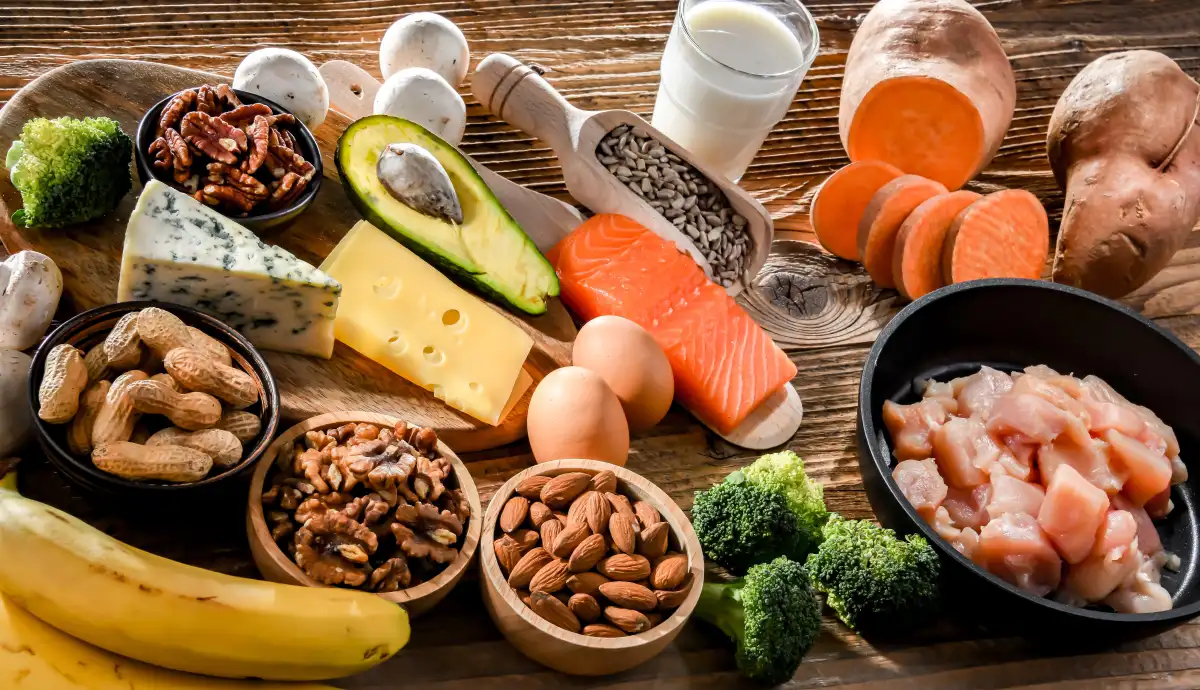
If you do not follow strict dietary restrictions, you will most likely obtain sufficient biotin from regular foods such as whole grains, liver, mushrooms, cauliflower, eggs, nuts, and dairy products. One important note: while vitamins are often believed to be better absorbed from raw foods, eggs are an exception. Raw egg whites contain avidin, a protein that interferes with biotin absorption - therefore, eggs are better consumed cooked.
However, if you follow a vegan or vegetarian diet, fast regularly, have food allergies, impaired nutrient absorption, or simply do not consume enough biotin-rich foods, supplementation may be considered.
Use of Hair Care Products
Biotin is a building block for keratin, which in turn directly affects the condition of hair, nails, and skin. External use of cosmetic products with biotin cannot cover the vitamin deficiency in the body. However, it is an excellent additional option in a comprehensive care approach.
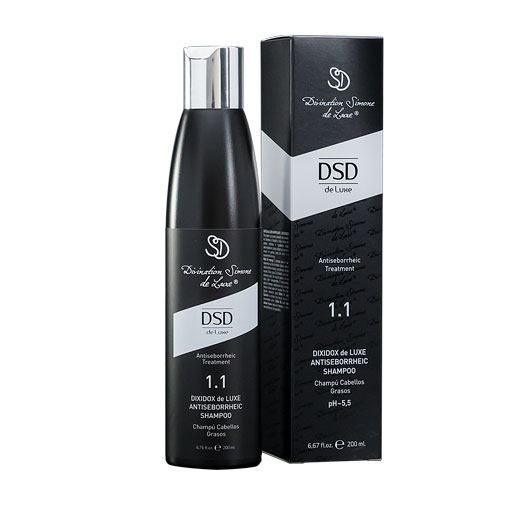
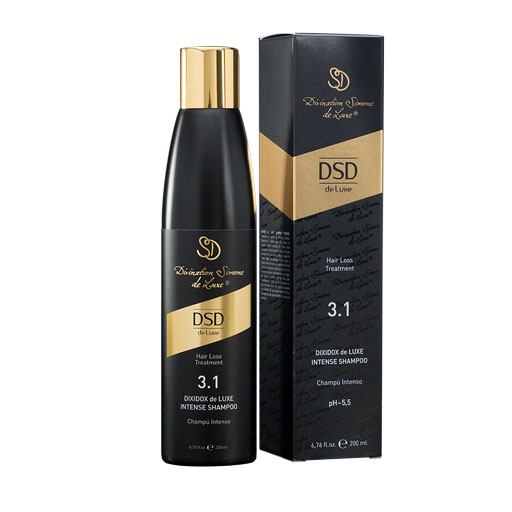
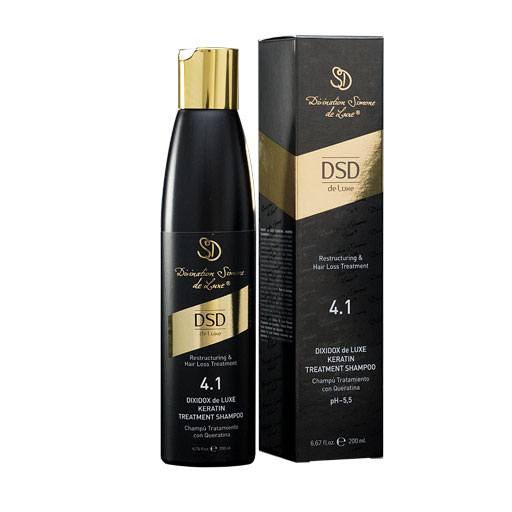
Biotin Shampoos
These products effectively cleanse the hair, making it more manageable when combing and giving it a healthy shine. Combined with other active components that enhance the action aimed at restoring hair, biotin shampoos are an excellent solution for regular care.
Top Biotin Shampoos from DSD de Luxe
Conditioners and Masks
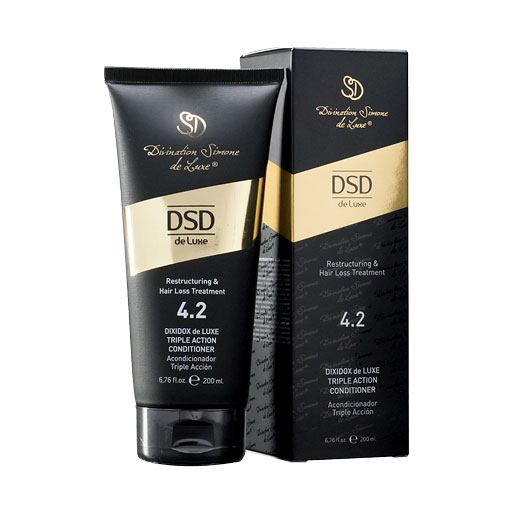
In the second step of hair care, biotin works even better than in shampoos. Thanks to this component, hair becomes stronger, its brittleness decreases, which leads to reduced hair loss.
Top Conditioners and Masks from DSD de Luxe
Lotions
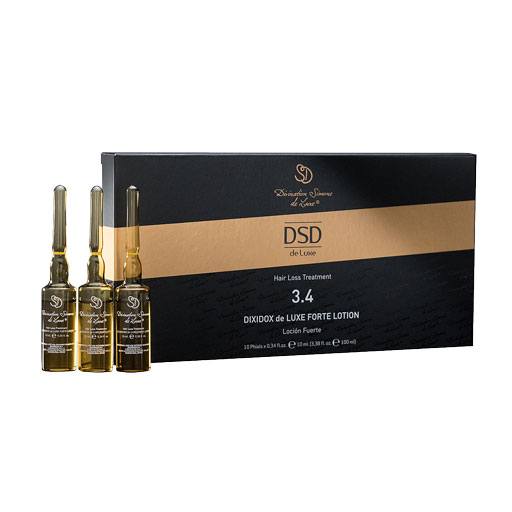
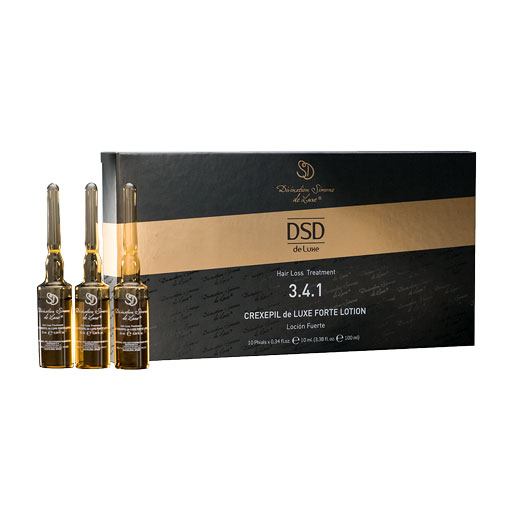
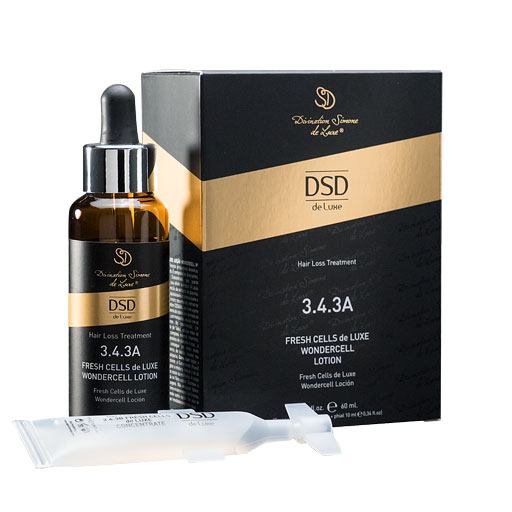
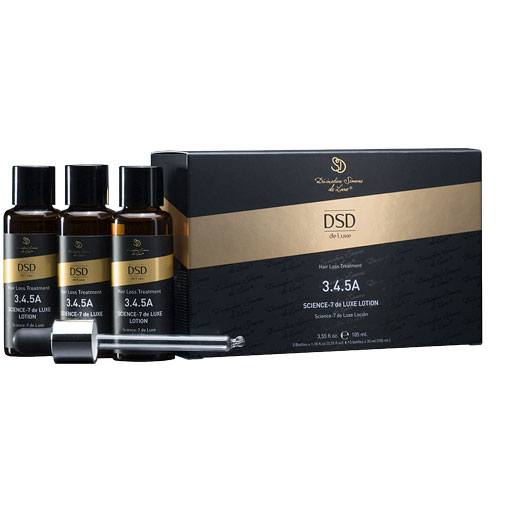
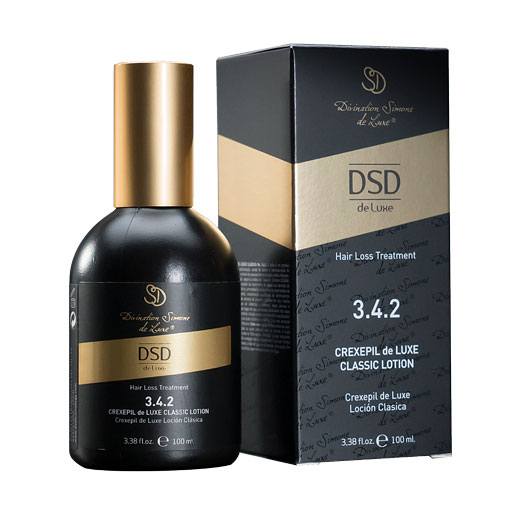
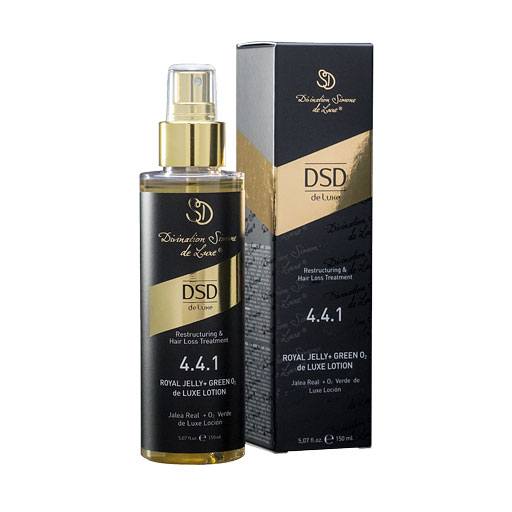
Lotions are the best among biotin products for external use. This is because the product is applied directly to the scalp and does not need to be washed off. This allows the active components to have a prolonged effect. Biotin in these products affects the hair follicles and helps activate dormant hair bulbs. As a result, hair density gradually increases, which becomes particularly noticeable after a few months of use at least once a week.
Top Biotin Lotions from DSD de Luxe
How to Take it Correctly?
The recommended daily intake of biotin for adults is approximately 30–50 mcg. However, supplements often contain higher doses, such as 1,000–5,000 mcg. When considering how much biotin to take daily for hair growth, dosage should be determined individually and ideally discussed with a healthcare professional.
Biotin can be taken with meals or about 30 minutes before eating, with water. It is generally recommended in the first half of the day, such as with breakfast, although taking it at lunch is also acceptable. If using a higher dose, splitting it into two servings may be advisable.
The course of supplementation typically lasts at least one month. Since hair growth is a gradual physiological process, noticeable changes are usually evaluated after 2–3 months of consistent use. Duration may vary depending on individual characteristics and baseline hair condition. For optimal results, biotin may be combined with vitamin C, vitamin D, magnesium, and zinc.
Alcohol consumption and prolonged use of certain antibiotics may reduce the absorption of B vitamins. In such cases, discussing supplementation with a healthcare provider is recommended.
Which Biotin Supplements Can Be Used?
The internal complex DSD De Luxe Complete contains Biotina 0.081 mg = 162% VRN. You can take 2 capsules a day or consult your doctor for a different dosage.
Excess Biotin
Biotin is a water-soluble vitamin, so excess amounts are usually excreted in urine, and the risk of toxicity is considered low. However, high doses may interfere with laboratory test results, particularly thyroid hormone panels and certain cardiac markers. Therefore, before blood testing, it is important to inform your healthcare provider about biotin supplementation or temporarily discontinue use under medical guidance.
Conclusion
Biotin is an important B-complex vitamin involved in metabolism, nervous system support, blood sugar regulation, and the maintenance of healthy hair, skin, and nails. The most noticeable effects of biotin supplementation are observed in individuals with confirmed deficiency, malabsorption, gastrointestinal disorders, or metabolic and hormonal imbalances that affect hair quality. If your diet is balanced and vitamin B7 levels are adequate, additional supplementation may not produce significant changes.