


Your scalp may start itching after a tight ponytail or when you use a styling product near the roots. A new shampoo you decided to try can have the same effect. Some people notice itching within a few hours of washing their hair. A sensitive scalp may be one possible explanation. The problem is that it can be challenging to find the right shampoo for an itchy scalp, since “sensitive” is a general term, and the skin can be dry, oily, prone to dandruff, etc. So, there is no single best shampoo for an itchy scalp: each case needs its own approach.
What Does It Mean to Have a Sensitive Scalp?
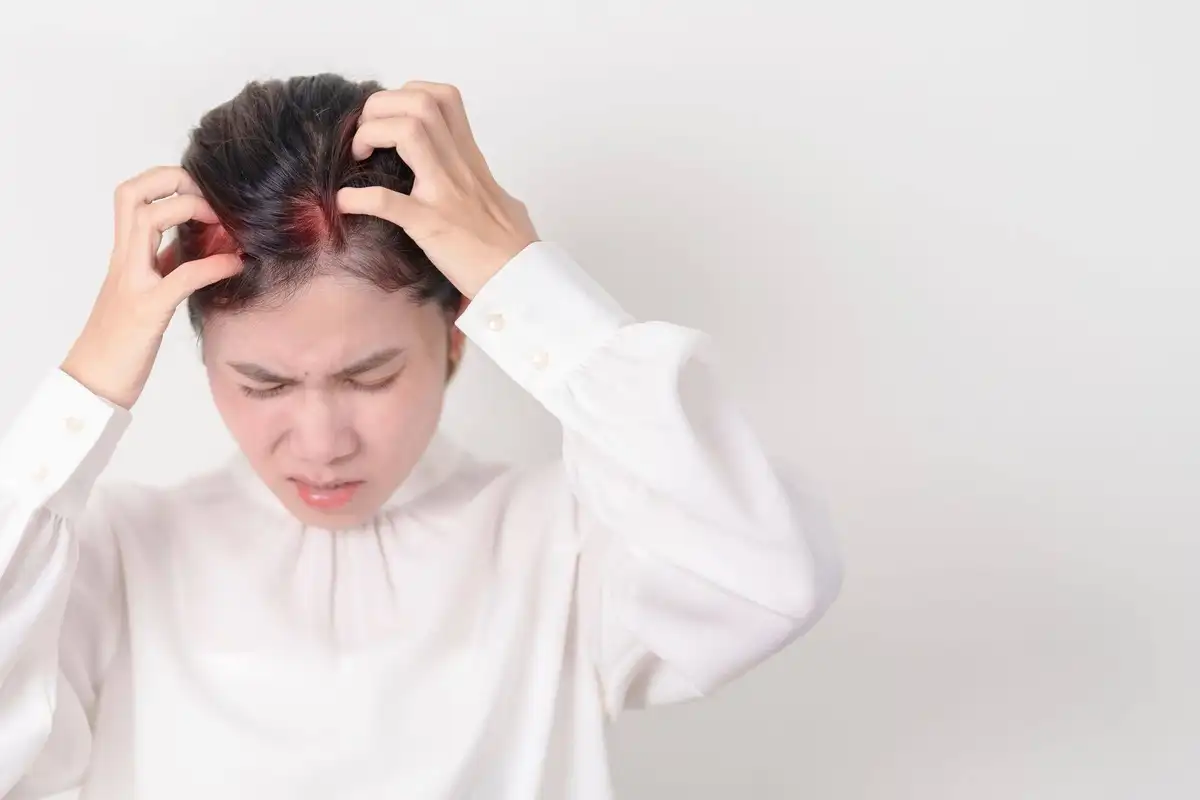
People with a sensitive scalp describe it in different ways. It doesn’t always feel itchy. It can also be tightness, burning, or tingling. These sensations rarely appear out of nowhere. They usually come as a reaction to certain triggers. Possible triggers include:
- shampoos with a harsh formula,
- styling products that touch the scalp directly, such as root volume powder,
- tight hairstyles,
- hair coloring,
- hot water,
- hard water,
- blow-drying.
Flaking and dandruff can also accompany an itchy scalp. Itching may also be associated with conditions such as:
- allergic reactions,
- seborrheic dermatitis,
- eczema,
- psoriasis, and others.
Discomfort and itching don’t automatically mean there is a condition behind them. Only a doctor can make a diagnosis. In this article, we focus on people who simply have a sensitive scalp that needs gentle care.
What to Look for in a Shampoo for an Itchy Scalp
Choosing a shampoo for an itchy scalp starts with understanding whether your scalp tends to be dry, oily, or flaky. Then, consider what the formula is designed to do and whether you have reacted to any of its ingredients before.
- Have you reacted to any ingredients before? If you know that certain ingredients irritate your scalp, avoid products that contain them.
- Is the product suitable for you? The label “for sensitive skin” alone may not tell you whether it suits a dry, oily, or flaky scalp.
- You should feel comfortable after washing. If itching gets worse after you use a shampoo, stop using it and try a different product. When testing a new formula, a smaller bottle may be a practical choice.
You can find all shampoos that may suit a sensitive scalp on the page shampoos for hair loss.
Washing Hair When Your Scalp Is Prone to Itching
When your head is very itchy, you want to wash it as soon as possible. And while washing, the urge to scratch hard can be almost instinctive. With an itchy scalp, this is exactly the instinct to resist. Go slowly and keep it gentle.
How to Wash Hair With an Itchy Scalp?
- Skip the very hot water. A comfortably warm rinse is easier on an itchy scalp, and it won’t leave the skin feeling tight afterward.
- Shampoo should reach the skin, not just the hair. Work it in at the roots so oil and product don’t linger on the scalp between washes.
- Massage the shampoo in with soft, slow circles. Nails are off the table, however tempting it gets.
- Rinse your hair several times. Residue from care or styling products can irritate your scalp until the next wash.
- Unless the product instructions say otherwise, apply conditioner and hair masks mainly to the lengths and ends.
- Don’t rub your hair and scalp hard with a towel. Gently blot away the extra moisture, then dry with a hair dryer on the ionic setting or at the lowest temperature.
- Scrubs with abrasive particles (coffee, orange seed, and the like) aren’t recommended for a sensitive scalp. Still, peeling may be useful, as it can help to lift away dirt, excess oil, and dead skin cells. The key is to choose a mild, gentle scalp peel.
Which DSD de Luxe Shampoo Is Right for Your Scalp?
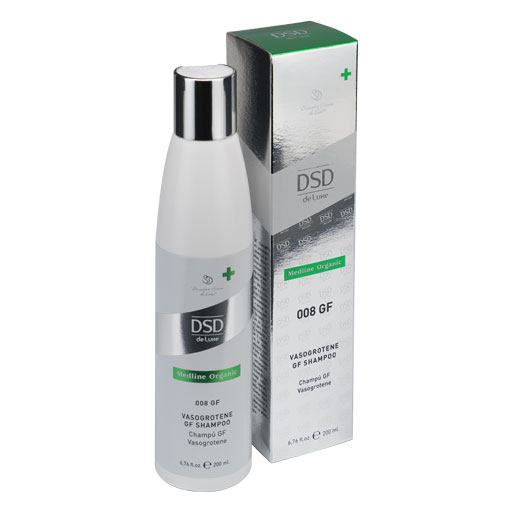
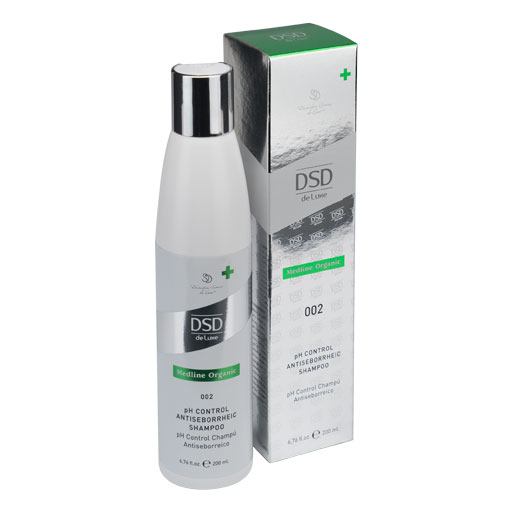
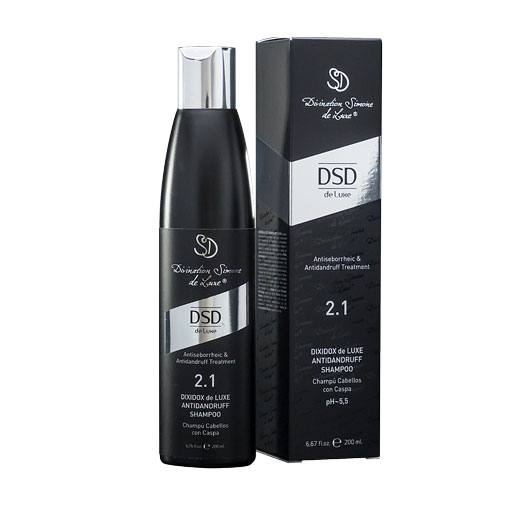
For a sensitive scalp that tends to itch, there are several ways to choose the right product. Let’s go through the three main scenarios.
Sensitive Scalp Without Visible Flakes
The manufacturer positions 008 Vasogrotene GF Shampoo as a product for a sensitive scalp. If your scalp is sensitive but doesn’t tend to flake, this shampoo may be worth considering for regular use.
Oily Scalp
If an itchy scalp bothers you and you have an oily scalp, 002 PH Control Antiseborrheic Shampoo may be a product worth adding to your routine. It may also suit you if your hair turns greasy quickly and you have to wash it often.
Flaky or Dry, Itchy Scalp
The 2.1 Antidandruff Shampoo is designed for a scalp with dry or oily dandruff and helps reduce itching associated with flaking. To learn what else may suit this type of scalp, read our article “What Is Dandruff?”.
When Itching Is More Than a Care Issue
Sometimes an itchy scalp is more than a bit of discomfort. It can be a symptom that a doctor should look at. Don’t rely on a new shampoo alone. See a doctor if the itch doesn’t ease after washing, goes on for a long time, or is hard to bear. The same goes for a rash, redness, or any other visible changes on your scalp.
Conclusion
A sensitive, itch-prone scalp doesn’t necessarily need more peels or a stronger shampoo. What it needs is a more careful choice of the hair products you use daily.