


One of the visual Hashimoto’s thyroiditis symptoms is hair loss. It occurs in the context of reduced thyroid activity (hypothyroidism). Hypothyroidism can lead to changes in hair texture, increased shedding, and dullness. Fortunately, hair growth may improve with appropriate treatment.
What Is Hashimoto’s Thyroiditis?
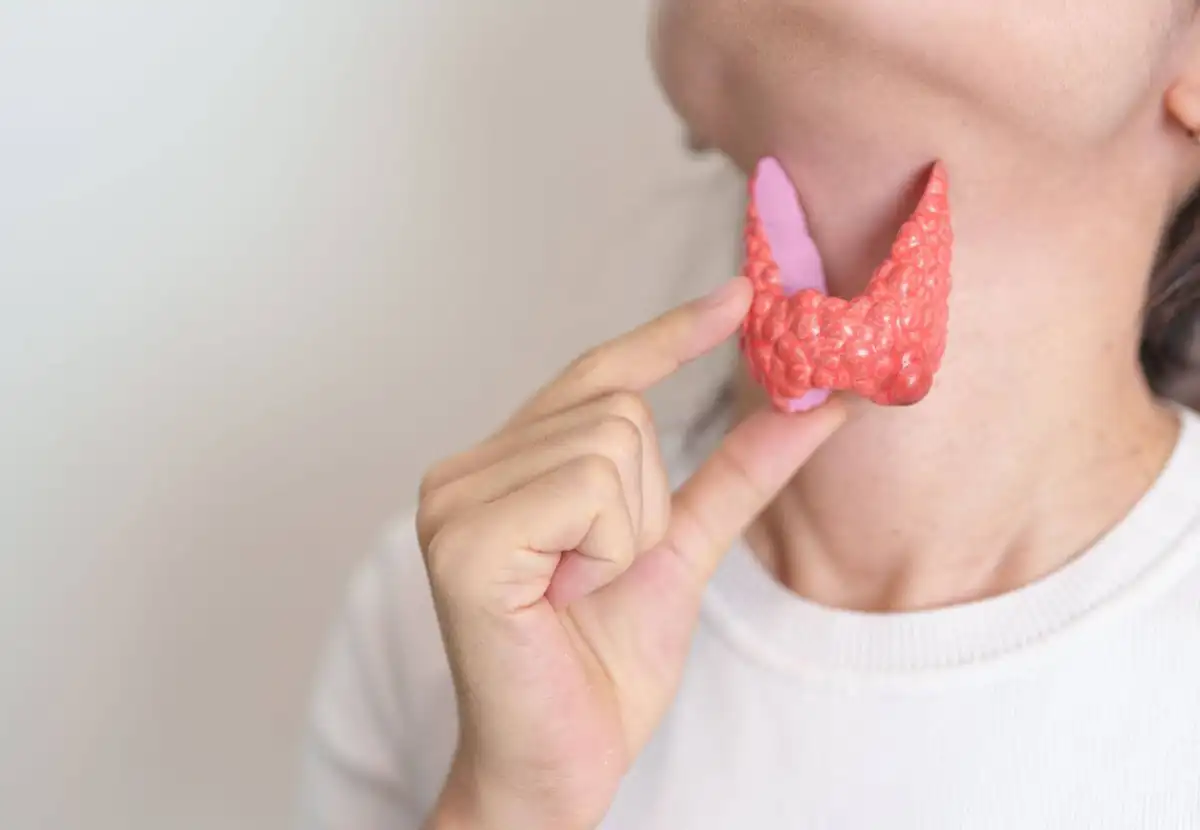
Hashimoto’s thyroiditis is an autoimmune disease. It’s a condition in which the immune system mistakenly attacks the thyroid gland. As a result, thyroid function decreases, leading to hormonal imbalance throughout the body.
In 1912, Japanese physician Hakaru Hashimoto studied and described this disease based on observations of four patients. He noticed that each of them had specific changes in thyroid tissue (lymphomatous goiter). Eventually, it became clear that the problem lies in the thyroid gland's inability to produce sufficient amounts of thyroxine (T4) and triiodothyronine (T3) under immune cell attack. As a result, all body processes slow down.
Can Hashimoto's cause hair loss?
Yes, Hashimoto’s and hair loss are closely linked. Hair shedding may occur due to hormonal imbalance and reduced metabolic activity. It violates the usual and natural hair growth cycle.
Why Hair Loss Happens with Hashimoto's
The primary cause is decreased thyroid hormone levels, which impact metabolic regulation and disrupt the hair growth cycle. It seems that the body shifts into an energy-conserving mode. When resources are prioritized for vital functions, hair, skin, and nails are among the first to be affected.
Hormonal Imbalance and Hair Cycle
The hair growth cycle has three main stages: the active growth step (anagen), the transitional stage (catagen), and the resting stage (telogen). Hormonal disruption may cause hair follicles to prematurely enter the telogen stage and remain there longer than usual. The external manifestation of the problem is increased hair shedding, thinning, and slowing of new growth.
Types of Hair Loss in Hashimoto's
Hair loss as a symptom of Hashimoto’s thyroiditis can manifest in three typical forms: diffuse shedding, patchy hair loss, or androgenetic alopecia.
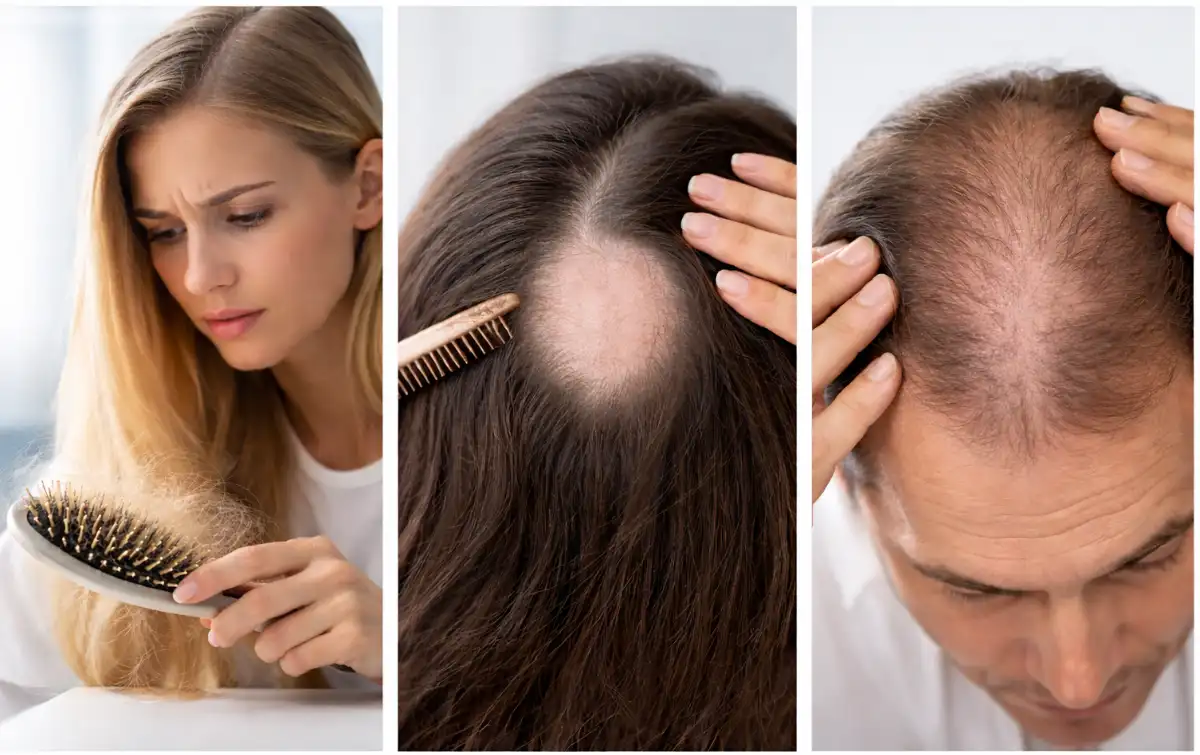
| Telogen Effluvium (Diffuse Shedding) | Autoimmune Factors and Alopecia Areata | Androgenetic Alopecia |
|---|---|---|
| Diffuse hair loss occurs evenly across the scalp. It is related to the disorder of the hair growth cycle. | Alopecia areata looks like acute, patchy hair loss. It is another autoimmune condition that may co-occur with Hashimoto’s thyroiditis. | This type of hair loss follows a “male-pattern” distribution, typically affecting the temples and the crown of the head. When associated with Hashimoto’s thyroiditis, it can occur not only in men but also in women. |
Hashimoto Hair Loss Symptoms
Hashimoto-related hair loss has specific signs that may indicate impaired thyroid function as the underlying cause. These include:
- A sudden and noticeable decrease in hair volume.
- Changes in texture, dullness of color, and hair feeling dry or "straw-like".
- Excessive hair left on the brush.
- Increased shedding during washing.
On their own, these signs are not specific to Hashimoto’s thyroiditis. However, if they are accompanied by persistent fatigue (even after sufficient sleep), sensitivity to cold, weight gain, and reduced concentration, these are strong reasons to consult an endocrinologist.
Is Hashimoto's Hair Loss Reversible?
Yes, in many cases, hair loss may be reversible, and it’s possible to return to normal hair volume and shine.
However, it depends on proper treatment and hormonal balance. Unfortunately, it typically does not resolve without addressing the underlying cause. Since hair loss is only one indication of Hashimoto’s thyroiditis, the primary focus should be on addressing the condition's root cause.
When Does Hair Loss Stop with Hashimoto's?
There is no exact timeline for when hair shedding will stop. Recovery of the scalp and hair typically occurs gradually. In an optimistic scenario, with a comprehensive and consistent approach, this process may take several months. After that, hair typically begins to regrow.
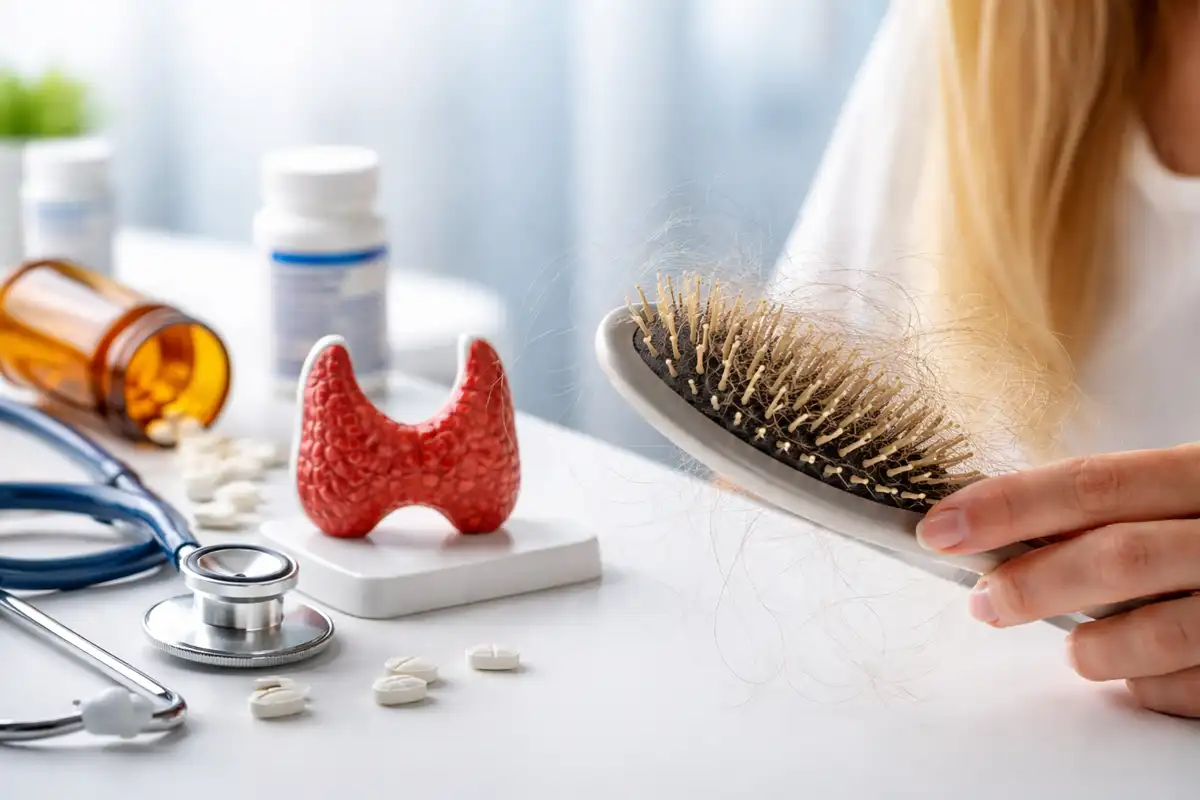
Managing Hashimoto’s disease and hair loss, as one of the symptoms of hypothyroidism, requires a comprehensive approach.
Medical Treatment and Hormonal Balance
In cases of hypothyroidism, ongoing supervision by an endocrinologist is essential. Based on the blood test results, the doctor can prescribe appropriate hormone therapy and adjust dosages as needed. Also, to address hair concerns specifically, a consultation with a trichologist is advised.
Nutrition and Deficiencies
Hypothyroidism is often associated with nutrient deficiencies. The most common include:
First of all, it’s important to identify which nutrients are lacking to adjust the diet or receive a prescription for targeted supplements.
Scalp Care and Hair Support
Alongside medical therapy, proper scalp care plays a supportive role. It aims to promote hair recovery. This represents a comprehensive approach in which medical treatment addresses internal causes, while external care supports the hair and scalp. Proper care can also improve scalp condition and promote healthier regrowth.
It is highly recommended to choose hair care products together with a trichologist, based on the current condition of the hair and scalp, as well as the severity of the issue. When choosing products unassisted, it is better to opt for gentle, non-aggressive formulas that support healthy hair growth. For example, the Medline Organic line by the professional trichological brand DSD de Luxe may be considered. Products such as the GF Vasogrotene lotion and the Detox 003 shampoo are marketed by the manufacturer for scalp care and hair support. Such products are intended for cosmetic care and may help maintain scalp condition. However, their effectiveness may vary, and they should be used as part of a broader care approach rather than as a standalone solution.
The use of professional hair care products is a supportive factor. It helps address Hashimoto-related hair loss comprehensively and consistently. These products are not intended to treat or cure medical conditions.
Stress and Lifestyle Factors
Stress can be a significant trigger that worsens autoimmune conditions and, consequently, hair loss. It increases cortisol levels, which may further impair thyroid function. Additional contributing factors include lack of sleep, unhealthy habits, and an unbalanced diet. Relaxation techniques, dietary adjustments, and improvements in daily routines can be valuable additions to an overall treatment plan.
What to Do If Hair Loss Continues
If, despite all efforts, hair loss does not stop after six months, or its intensity doesn’t decrease, it’s a reason to seek immediate consultation with an endocrinologist and, possibly, a gastroenterologist and a trichologist. The following may be recommended:
- Additional blood tests and ultrasound diagnostics to assess the condition of the thyroid gland.
- Nutritional counselling and dietary adjustments.
- Evaluation of other factors that may affect disease progression and treatment effectiveness.
It is especially important to rule out additional causes of hair loss to address the issue comprehensively.
Conclusion
Although Hashimoto’s disease is not considered fully curable, it can be effectively managed. It requires a proactive and comprehensive approach. Depending on symptoms and disease progression, treatment may include hormone replacement therapy, dietary adjustments, and hair care. These measures make it possible to maintain a good quality of life with Hashimoto’s.
This article is for informational purposes only and does not constitute medical advice. Diagnosis and treatment should always be carried out by a qualified healthcare professional.