

Thick, healthy hair has always been associated with attractiveness, vitality, and good personal care, both for women and men. That is why many people want to preserve their hair for as long as possible, even into older age. However, even if someone has taken good care of their hair in younger years, used hair treatments, and paid attention to a healthy lifestyle, hair will sooner or later begin to turn gray, become thinner, more fragile, and, in many cases, fall out more noticeably.
For many people, these age-related changes in appearance can cause noticeable discomfort. When a once full head of hair becomes finer, less dense, and visibly thinner in certain areas, some people decide to switch to shorter hairstyles. Short hair can often be styled more easily to create the impression of volume. Others, however, do not want to give up long hair. In this article, we explain what may help with age-related hair loss and how hair can be supported and preserved for as long as possible.
Why Hair Becomes Thinner and Falls Out With Age
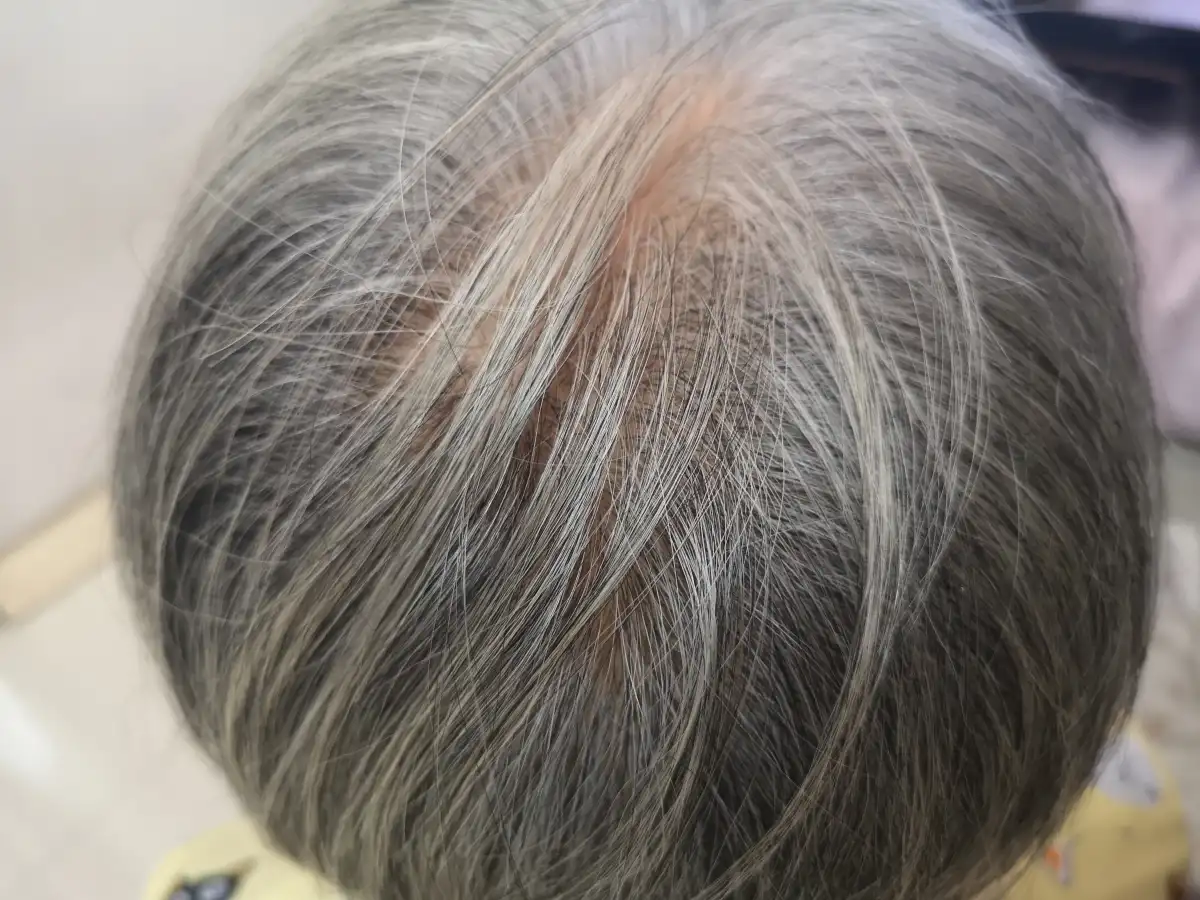
As we age, many processes in the human body begin to change. Vision may decline, wrinkles appear, hearing can become weaker, and hair is affected as well. During the aging process, the function of the hair follicles changes, cell renewal slows down, and the hair often becomes finer, weaker, and more brittle.
Slower Metabolism
With increasing age, cellular metabolism, regeneration, and the activity of the hair follicles change. As a result, the hair cycle may also change: the growth phase can become shorter, new hair may grow back finer, and overall hair density may gradually decrease. Hair may shed more easily, while new hair often grows back more slowly.
Reduced Blood Circulation in the Scalp
Blood circulation plays an important role in supplying the hair roots. When blood vessels become less elastic and microcirculation declines, less oxygen and fewer nutrients may reach the follicles. This can contribute to a shorter hair growth phase and weaker hair regrowth.
Declining Activity of the Hair Follicles
With increasing age, cells lose part of their regenerative capacity. As a result, hair may grow thinner, shorter, or, in some follicles, stop growing altogether. This process is part of the natural aging of body tissue.
Hormonal Changes
Hormonal balance also changes with age. The production of certain hormones that influence hair growth may decrease. This can contribute to age-related hair loss and a gradual reduction in hair density.
Genetic Predisposition
How quickly and how strongly hair changes with age often depends on genetic predisposition. If parents or close relatives experienced early or pronounced hair loss, the likelihood of experiencing similar changes may be higher.
Normal Age-Related Change or a Problem?
If hair slowly becomes thinner over the years and shedding increases only slightly, this is often considered part of the normal aging process. However, if hair loss suddenly becomes much stronger, bald patches appear, or symptoms such as itching, inflammation, pain, or scalp irritation occur, the cause should be medically evaluated.
Which Signs May Indicate Hair Loss That Needs Treatment?
Not every type of hair loss in older age is automatically a cause for concern. However, certain changes should be observed more carefully, especially if they appear suddenly or are accompanied by other symptoms.
- suddenly and noticeably increased hair shedding
- round or clearly defined bald patches
- itching, burning, redness, or scaling of the scalp
- hair loss after starting a new medication
- a visibly widening part line in women
- a receding hairline or thinning on the crown in men
- hair loss together with fatigue, weight changes, or other physical symptoms
Common Causes of Increased Hair Loss
Vitamin and Mineral Deficiencies
Increased hair shedding can be caused by a deficiency of vitamins and minerals. Iron, vitamin D, B vitamins, zinc, and biotin are among the nutrients most commonly associated with hair health. When deficiencies are present, hair may become dull, brittle, weaker, and more prone to shedding.
Chronic Diseases
In older age, some health conditions become more noticeable and may affect the entire body. Thyroid disorders, anemia, diabetes mellitus, or certain autoimmune diseases can disrupt the hair cycle and contribute to increased hair loss.
Medications
Some medications may contribute to diffuse hair loss as a possible side effect. These may include certain medications for cardiovascular conditions, hormonal medications, anticoagulants, or treatments for chronic diseases. Important: medications should never be stopped independently. If medication-related hair loss is suspected, the treatment should always be discussed with the prescribing doctor.
Stress and Emotional Strain
Mental and emotional well-being affects the entire body, including the hair. Emotional stress, worries, grief, or long-term psychological strain may additionally increase hair shedding or worsen existing hair loss.
Unbalanced Nutrition
For normal body functions, the body needs sufficient protein, fats, carbohydrates, and micronutrients. Eating too little, following a very one-sided diet, or not absorbing important nutrients properly can also negatively affect hair health.
Hair Loss in Older Women
In addition to general causes, there are factors that particularly often affect women. That is why hair loss in older women is often considered separately.
Declining Estrogen Levels
As women age, the production of female hormones, especially estrogens, decreases. These hormones play an important role in maintaining hair health. A decline in estrogen levels may reduce hair density and make the hair appear finer and weaker.
The Influence of Menopause
During menopause, the female body undergoes significant hormonal changes. These changes can affect the hair cycle, influence hair growth, and lead to increased shedding or a gradual reduction in hair volume.
Hair Loss in Older Men
Age-Related Androgenetic Alopecia
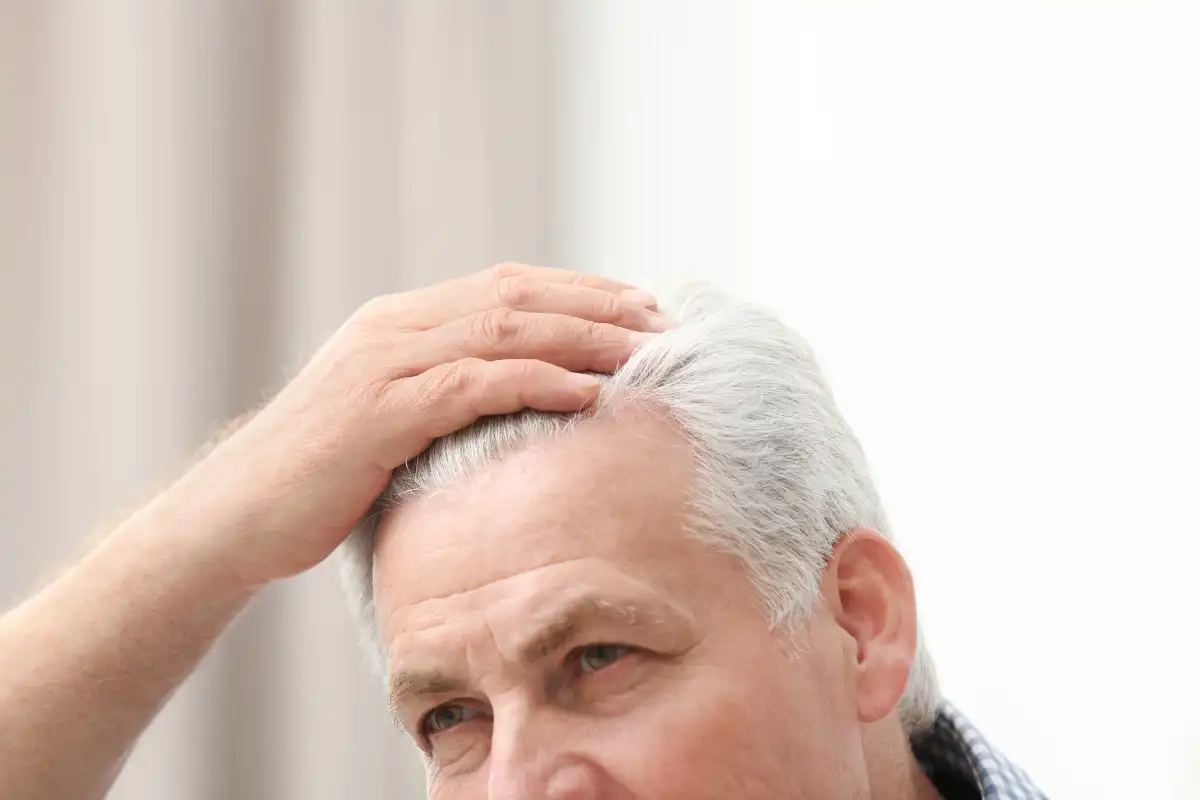
One of the most common causes of hair loss in men is androgenetic alopecia, also known as male pattern hair loss. It is hereditary. In this condition, the hair follicles gradually shrink, so the hair can no longer grow as thickly or as strongly as before. The forehead, temples, and crown are typically affected.
What Helps With Age-Related Hair Loss
Even though the aging process cannot be completely stopped, there are several ways to support the hair and slow down excessive hair loss where possible.
Balanced Nutrition
A nutrient-rich diet supports not only general well-being but also hair health. Sufficient protein, healthy fats, and important vitamins and minerals are especially important for strong, resilient hair.
Scalp Care
In older age, it is advisable to use mild shampoos without harsh ingredients. The scalp often becomes more sensitive over time, so gentle cleansing products can help avoid unnecessary irritation and support a balanced scalp environment.
Scalp Massage
Regular scalp massage can support blood circulation in the scalp and is perceived by many people as relaxing and beneficial. It may be a useful addition to a hair care routine, but it does not replace targeted treatment if there is a medical cause behind the hair loss.
Vitamins in Case of Confirmed Deficiency
If a doctor confirms a nutrient deficiency, targeted supplements may be useful. Products or treatments for hair loss in older age should be used by women and men only after medical advice, especially when underlying diseases, medications, or hormonal factors may be involved.
When Should You See a Doctor?
If hair loss becomes very severe, sudden bald patches appear, or symptoms such as itching, inflammation, redness, or pain occur, medical advice should be sought. This allows the cause to be properly evaluated and an appropriate treatment plan to be started if necessary.
This article is intended for general informational purposes only and does not replace medical advice, diagnosis, or treatment. If you experience persistent, sudden, severe, or unclear hair loss, please consult a qualified doctor or dermatologist.