


You may have even heard it from your own hairdresser: the more often you cut your hair, the better it grows. This isn't some new rumor: it's an idea that's spread almost all over the world. But does hair actually grow faster when you cut it? In this article, we'll talk about why the belief in the benefits of regular haircuts is so popular, where it originally comes from, and how things really work.
Does Hair Grow Faster When You Cut It?
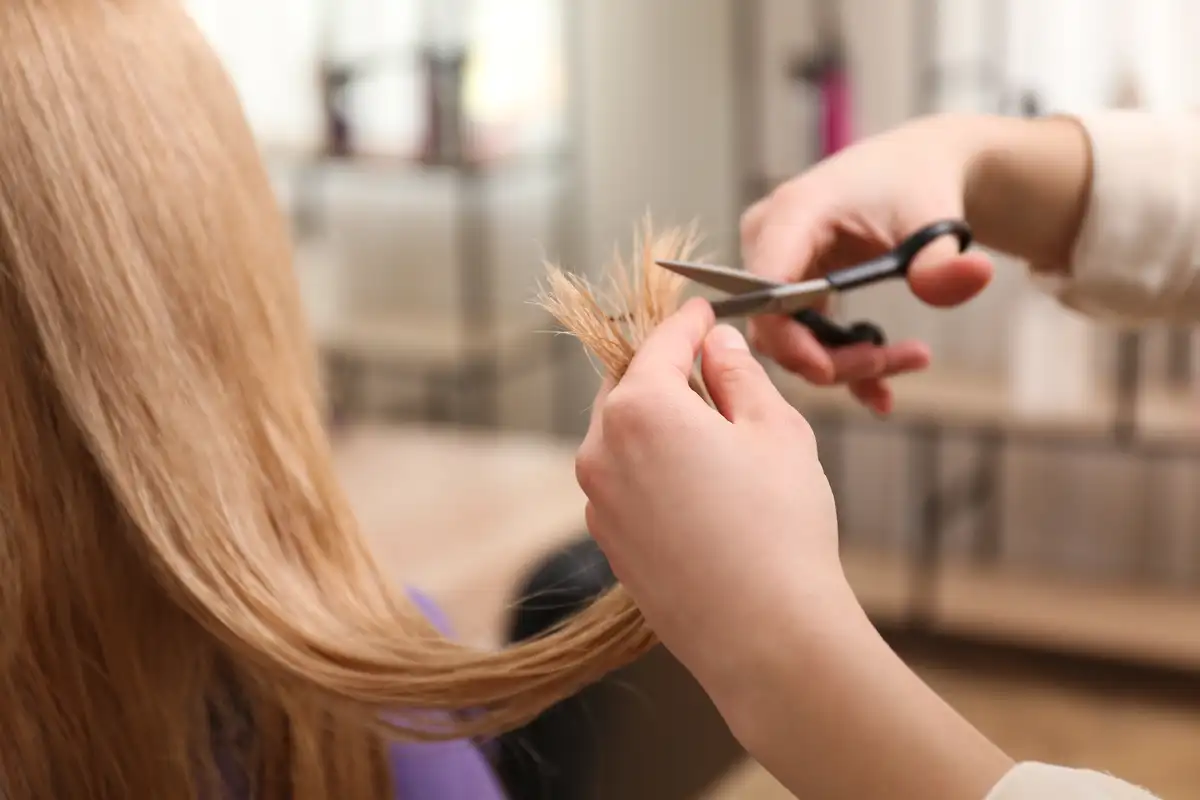
No. Cutting your hair does not make it grow faster. Everyone's hair grows at a different rate, depending on genetics, hormones, overall health, nutritional status, and other factors. On average, healthy hair grows approximately 1–1.5 cm per month. For some people, this rate is slower, adding up to only around 10 cm a year, while others may experience considerably faster growth.
The Biology of Hair: How Does It Actually Grow?
Hair growth takes place in the hair follicles, particularly in the hair bulb, where living cells divide and form new hair. The follicle receives oxygen and nutrients through the surrounding blood vessels. This is where all the real “action” happens: if the roots receive the nutrients they need, they have the “building materials” required to form new hair.
The visible hair shaft that we comb every day, coat with conditioners, masks, or oils, or trim off consists mainly of non-living, keratinized cells. The same applies to the visible shafts of eyelashes and eyebrows. If you were to slice a strand and look at it under a microscope, you would see the following layers:
- The medulla, the central part of the hair shaft, which is mainly present in thicker hair and may be absent in fine hair.
- The cortex, the main structural layer, which provides strength and elasticity and contains the melanin responsible for the hair's natural color.
- The cuticle, made up of overlapping keratinized cells arranged like tightly packed scales.
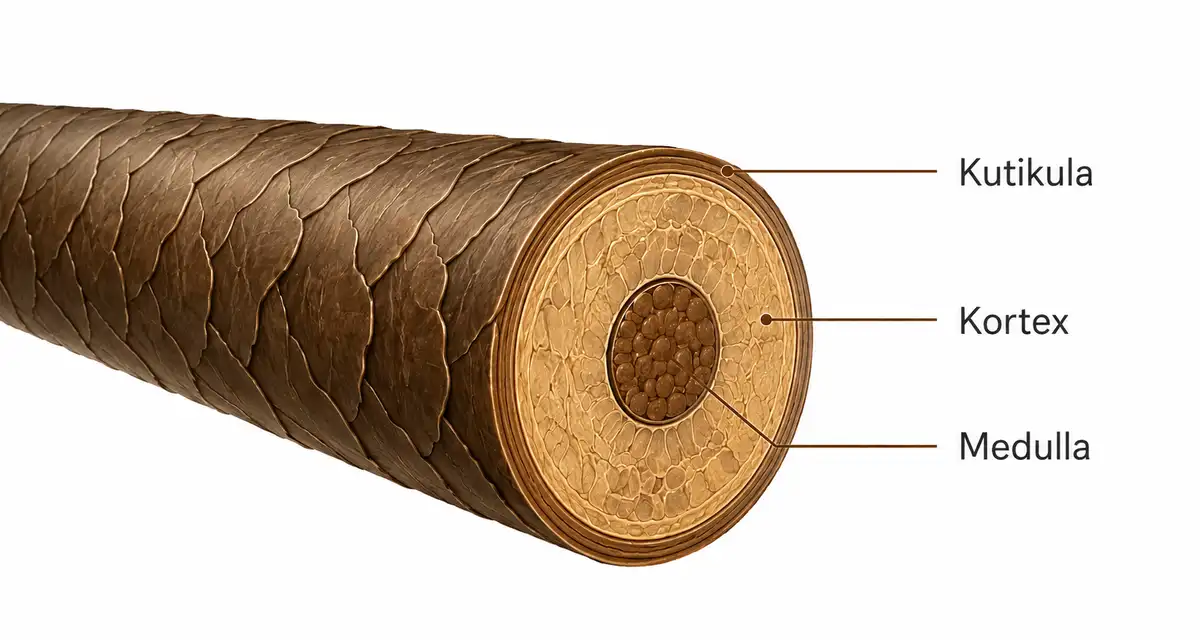
None of these layers have blood circulation, nerve endings, or any element capable of influencing active growth. When we trim the ends at the salon or at home, we cannot send a signal to the follicles telling them to work faster or produce hair more quickly.
So Where Does the Idea Come From That Hair Grows Faster After a Haircut?
This is the most interesting part because, despite the biological facts, this myth actually has a fairly logical basis. After a haircut, we often notice real, visible effects: the hair looks healthier and sometimes, by comparison, it does seem to start growing faster. How is that possible when we've just established that there's no biological basis for it?
Less Breakage Makes Hair Look Longer
Hair typically starts breaking from the ends. It splits into two sections, and that split may gradually travel farther up the shaft. As a result, the hair becomes more fragile and may break at different points along its length. Damaged ends may also break off, visually shortening the hair.
A haircut removes those split and damaged ends. Removing split ends may help limit further breakage along the hair shaft, creating the visual effect that hair grows better after a cut. In reality, the hair is simply being damaged less, and the loss of length caused by breakage may be reduced. This is the key reason behind the idea that cutting hair speeds up its growth.
Freshly Cut Ends Look Fuller
Very often, someone growing out their hair refuses to cut it at all, not even the split ends, since they still count as length. The problem is that split ends don't just make the lower part of the hair look thinner; they also don't look particularly healthy. A neat, even cut at the salon gives the hair a well-groomed, fuller appearance.
So Does Cutting Your Hair Actually Help?
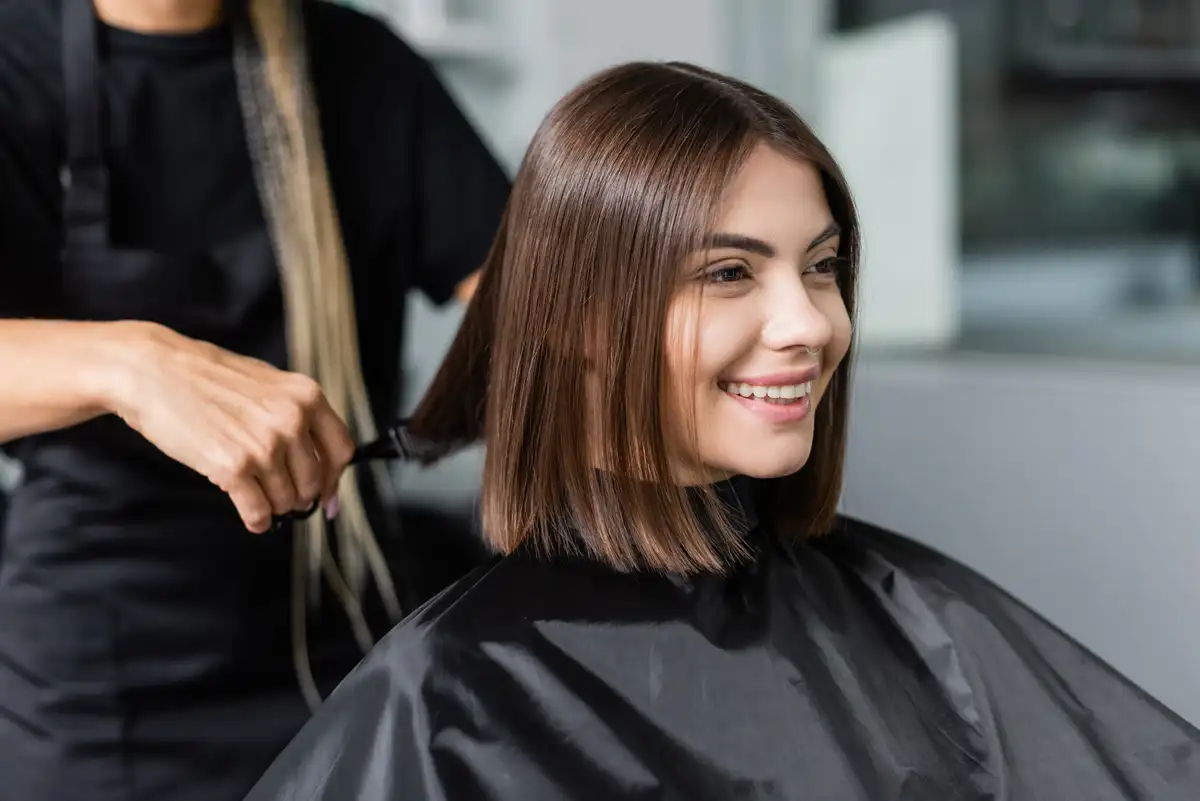
Indirectly, yes, it really does help. Trimming does not affect the biological growth rate, but it can help reduce breakage and make it easier to maintain the existing length. However, you need to assess the condition of your hair individually every time before a salon visit.
For some people, the ends barely split, so trimming just 1-2 cm once a year is enough to refresh the look. In other cases, without regular maintenance, trims every 2-3 months, the hair's condition deteriorates very quickly. That's why there's no universal answer to how often you should cut your hair for it to grow well. You always need to assess its current condition and adjust your care routine, so you don't end up losing more length than necessary.
What Actually Determines Hair Growth?

Getting back to basics, hair growth isn't determined by scissors or scalp care alone. It depends mainly on genetics, hormones, age, nutritional status, and overall health. Scalp care can help maintain a clean and well-cared-for scalp environment, while proper care of the hair shaft helps prevent it from splitting, thinning out, or breaking. That's the short formula for anyone dreaming of “Rapunzel hair.”
| Factor | Potential Influence |
|---|---|
| Genetics | Very high |
| Hormones | Very high |
| Nutrition | High |
| Iron status | High |
| Stress and Sleep | Medium to high |
| Scalp condition | High |
These factors may influence how long the growth phase, known as anagen, lasts and how fast the hair grows. They may also affect shedding and the condition of newly formed hair.
What Actually Supports Healthy Hair Growth?
Persistent or increased hair loss may, among other factors, be associated with certain nutrient deficiencies. Whether a deficiency is actually present should be determined by a healthcare professional. Dietary supplements should not be taken as a precaution, but only if an individual's need has been confirmed. A balanced diet helps support the body's overall supply of essential nutrients. Other steps can also help.
Lifestyle
Bad habits, lack of proper restful sleep, and chronic stress are all factors that don't do the body any favors, and they may also affect your hair. The body allocates resources based on the vital importance of its organs and systems. Because hair is not essential for immediate survival, changes in general health, nutrition, or stress levels may become visible through increased shedding or changes in hair condition.
Identifying the Causes of Hair Loss
If hair loss is persistent, pronounced, sudden, or accompanied by other symptoms, see a doctor or dermatologist. Sometimes it's not poor care that's preventing you from growing your hair long, but an underlying condition such as diabetes, Hashimoto's thyroiditis or other thyroid disorders, iron deficiency, hormonal changes, or another health problem.
Depending on the suspected cause, further assessment by an endocrinologist, gynecologist, or another relevant specialist may be recommended. That's why it's essential to first identify and address the possible causes of hair loss before adjusting your hair care products. Skipping this step could make everything else far less effective than you'd hoped.
Adjusting Your Care Routine
This matters as well. Hair care cannot replace the biological factors required for hair growth, but an appropriate routine can help protect the hair shaft, reduce avoidable damage, and maintain scalp comfort. That's why scalp care and protection of the lengths and ends should both be included in the routine.
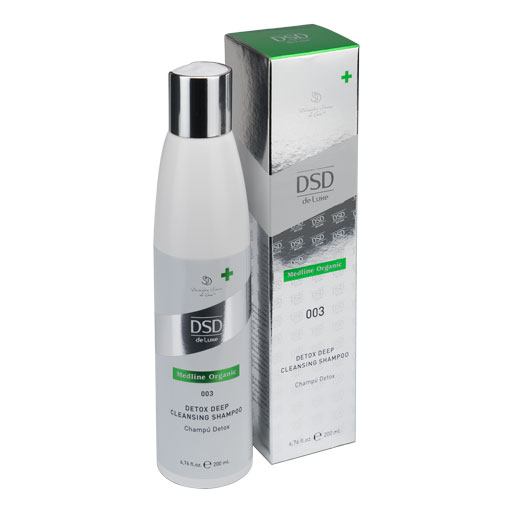
Regular Detox
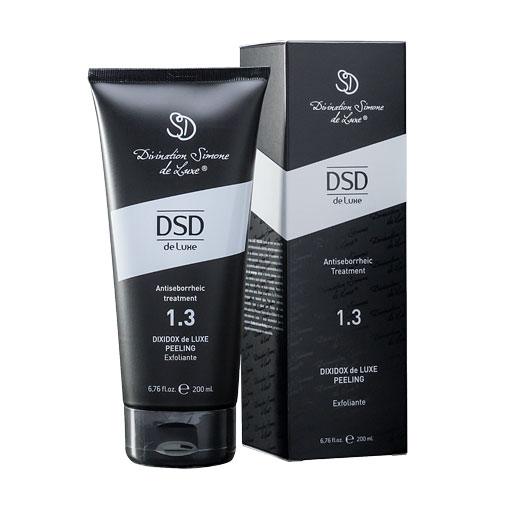
Using a peeling treatment or a gentle scrub to cleanse the scalp of excess sebum, dead skin cells, and buildup helps keep the scalp clean. A detox or deep-cleansing shampoo may also be used occasionally when needed, depending on the scalp type, the amount of product buildup, and the product instructions. All of this creates a good base so that the products you use afterward can do their job more effectively.
Recommended Products:
Nourishing and Hydrating the Scalp
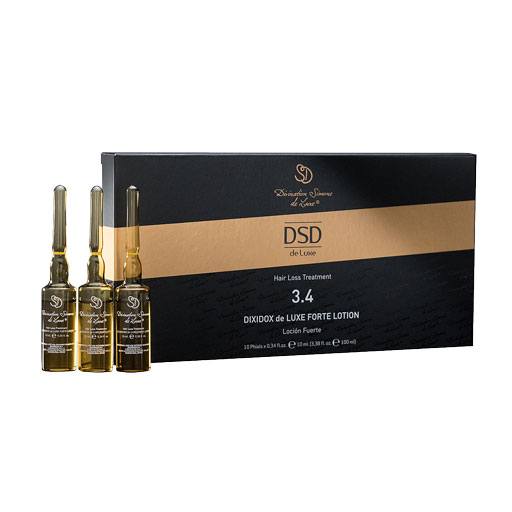
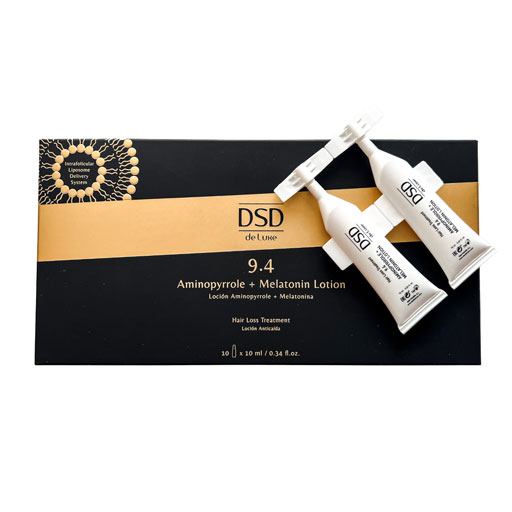
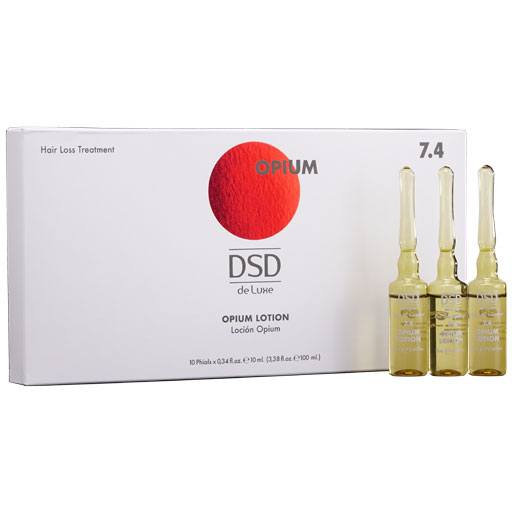
Leave-in scalp lotions help provide moisturizing and conditioning ingredients directly to the scalp. They should be applied after washing and gently massaged into the scalp along the partings and hairline, according to the instructions for the specific product. They don't affect the rate of hair growth directly, but they help maintain a well-cared-for scalp and provide conditioning ingredients that contribute to healthy-looking hair.
Recommended Products:
Caring for the Lengths and Ends
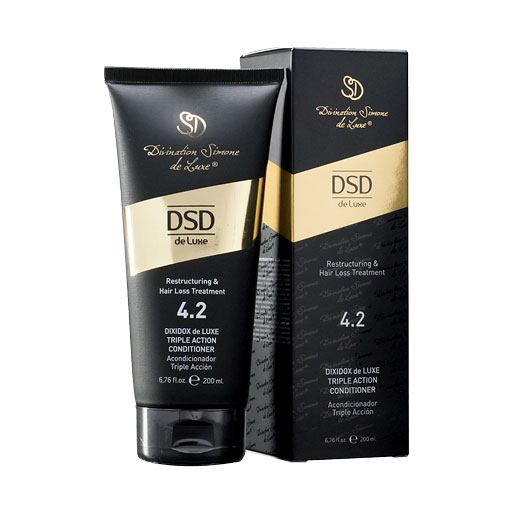
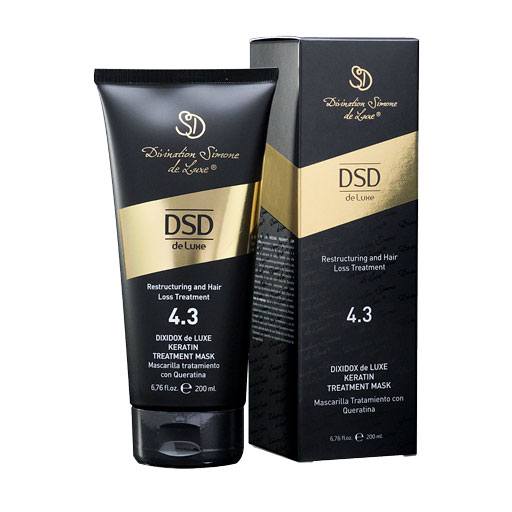
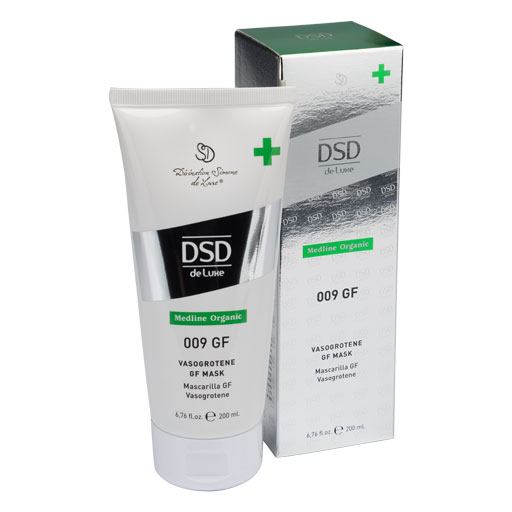
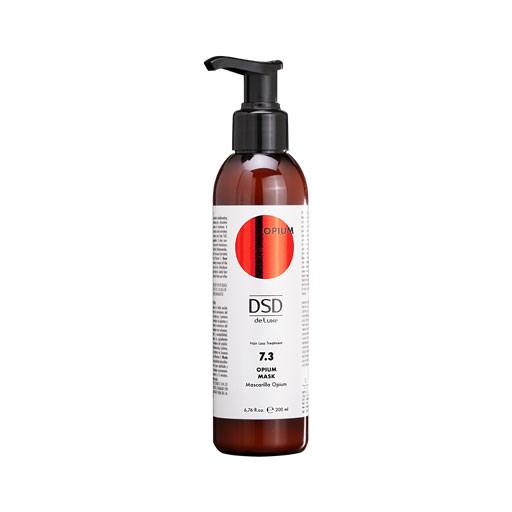
Remember how the hair's cuticle looks like overlapping scales? Washing, friction, heat, and chemical treatments can make the cuticle more vulnerable to damage. When the cuticle becomes rough or uneven, the hair tangles more easily and may break off sooner as a result. That's why it's so important to use a conditioner or hair mask after washing, as these products help condition the hair shaft, improve manageability, and reduce friction between individual strands.
Recommended Products:
Conclusion
When you cut your hair, it doesn't start growing faster, but it does start to look healthier and better groomed. Reduced breakage can also mean that you're not losing length as intensively, so there's actually a grain of truth in this myth. A haircut does not accelerate biological growth, but it may help you maintain the length your hair has already grown.