


Key Takeaways
- Hair masks are effective when used after shampoo. In this case, they nourish and hydrate the hair well.
- Always consider your hair type when choosing a product, and you'll get the best results.
- Combine masks with serums or oils for enhanced hair strength and health.
Your hair is built from several layers, with the cortex at its heart, shielded by a scaly outer layer called the cuticle. When you shampoo, these scales lift to let dirt and oil wash away. The problem is they stay open after rinsing, leaving hair fragile, frizzy, and prone to static. This is why we use conditioners and masks - to seal that cuticle shut. Anatomically speaking, the choice of hair mask before or after shampoo is simple: usually, the mask comes after the wash.
Still, there are nuances, including specific methods and exceptions depending on your scalp care routine.
What Is a Hair Mask?
This product is like a potent treatment. It is capable of penetrating deep into the hair structure and, depending on its ingredients, it can hydrate, smooth, nourish, and so on. As it is very alike a conditioner, it can close the cuticle after washing, and it can add shine and smoothness.
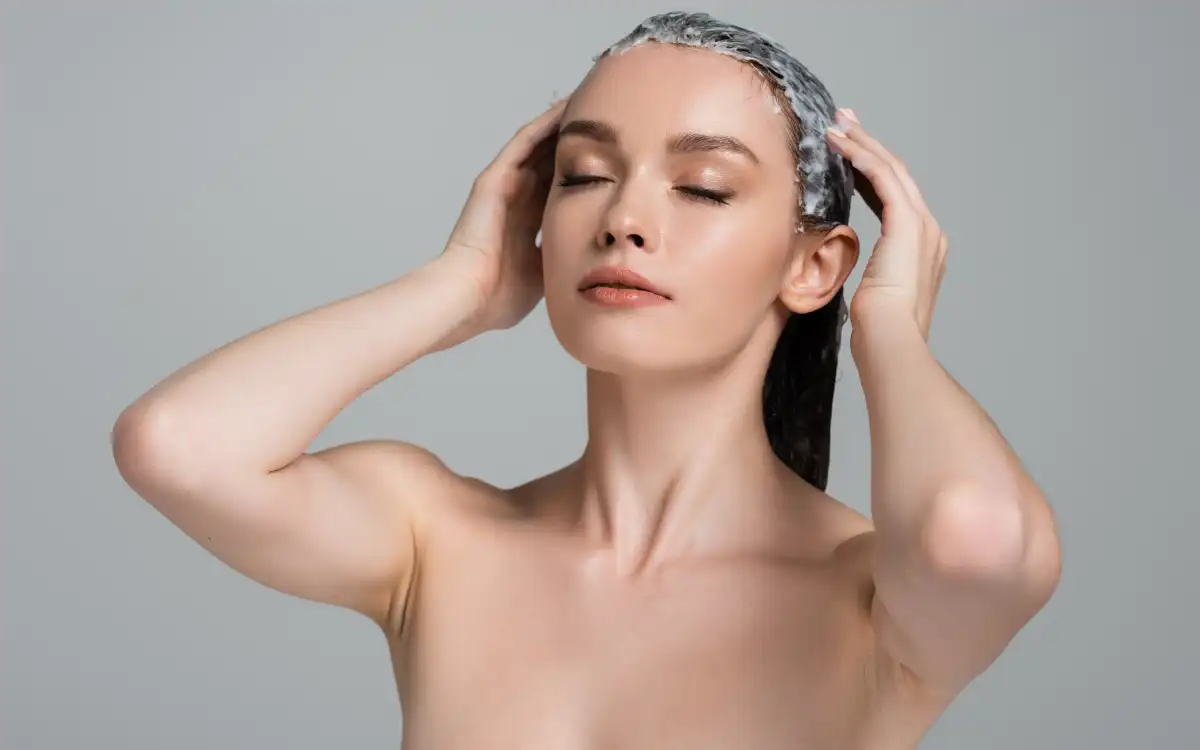
What Is the Best Way to Apply a Hair Mask?
So, how to use a hair mask? In most cases, the best routine is to apply it right after shampooing but before conditioning (if you decide to use one additionally). It is the most common order in a hair care routine.
Why Is Hair Mask Important?
- A regular hair mask routine has a lot of benefits for you:
- It delivers the hair with vital nourishment and hydration.
- It may help to improve hair structure, making it softer.
- Certain specialized hair masks for damaged hair seal the hair's cuticles, preventing split ends from progressing and giving the hair a brilliant shine.
Whether you use it before or after shampooing, adding a hair mask to your routine is a good idea. However, it’s important to understand that effectiveness depends significantly on proper application.
When Should You Apply a Hair Mask? Before or After Shampoo?
Do you use a hair mask before or after shampoo? Each option in the hair care routine order has its pros and cons that you should be aware of.
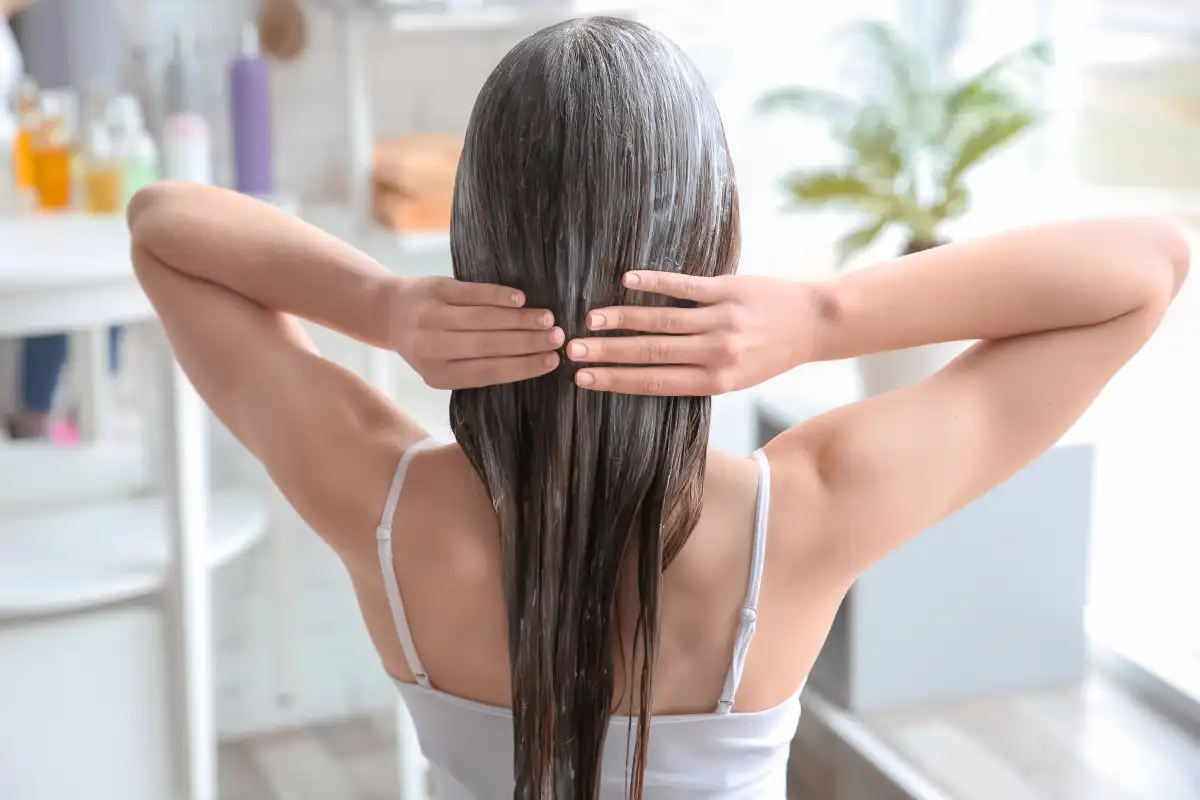
Hair Mask After Shampoo
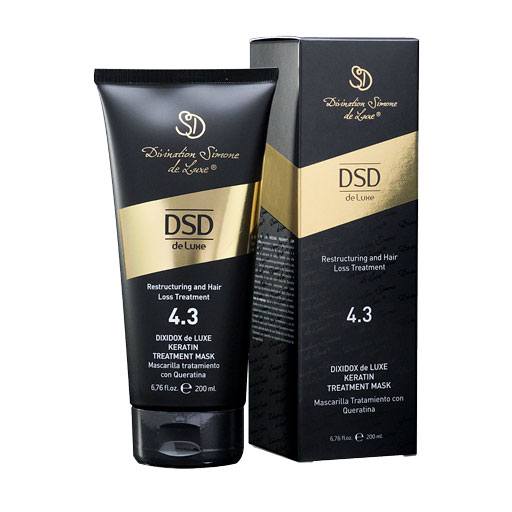
It’s the classic strategy: the shampoo opens the cuticles and washes away impurities, while the mask provides nourishment, hydration, and more. That is why, when you ask your stylist or trichologist, "Should I do a hair mask before or after shampoo?" the standard answer is "after". To enhance the nourishment and hydration effects of your mask, consider using the DSD Deluxe Keratin Treatment Mask 4.3.
| Pros | Cons |
|---|---|
| Effectively nourishes, hydrates, and performs other targeted functions within the hair structure. | It may weigh down very fine or thin hair. |
| Protects the hair from moisture loss. | |
| Closes the scales after washing and can be used as a conditioner replacement. |
Hair Mask Before Shampoo
The pre-poo method is sometimes recommended, but only in specific cases:
- Very dry and brittle hair: Before using a deep-cleansing shampoo, a mask is necessary to protect the hair's structure.
- Very fine hair: If even a small amount of product applied after shampooing weighs the hair down, it can make it look greasy or dirty quickly.
- Severely damaged hair: Following chemical perms, dyeing, or color stripping. In this case, the product can be used both before and after to create optimal conditions for intensive nourishment and repair.
Only specific masks, like those containing nourishing oils or natural ingredients, should be applied before shampooing.
| Pros | Cons |
|---|---|
| Shield hair from the aggressive action of deep-cleansing shampoos. | Ingredients do not penetrate the structure as well because the cuticles are closed. |
| Minimizes dehydration during washing. | If applied incorrectly, it can weigh down the hair. |
| Intensive nourishment. | Only specific product types are suitable, rather than any mask on the market. |
How to Use a Hair Mask Effectively: Step-by-Step
These tips will help you decide whether to use a hair mask before shampoo or after, while also mastering the best practices to achieve the results you’ve been dreaming of. Let’s find out when to use a hair mask.
Preparation
Using a mask before shampooing is truly effective only in specific cases. It is often better to prepare your hair for washing in other ways. You can apply jojoba, argan, or coconut oils, which are safe to leave on for up to 30 minutes.
Cleansing: Hair Mask Before or After Washing Hair?
Wash your hair and rinse thoroughly to remove all foam. Before applying the mask, your hair should be damp to ensure the treatment works effectively, but not soaking wet, which would cause the product to slide off.
How to Use a Hair Mask Correctly
Evenly apply the mask, starting just above the mid-lengths and extending to the ends. There is no need to distribute it onto the roots or the scalp. You can comb through the hair using your fingers or a wide-tooth comb. For curly hair, you might apply a bit more product to help detangle the curls while they are wet. Leave the treatment on for 5 to 20 minutes (as directed by the product) and rinse thoroughly. You can use your favorite conditioner then. It will help seal the cuticles even further, adding extra shine and silkiness.
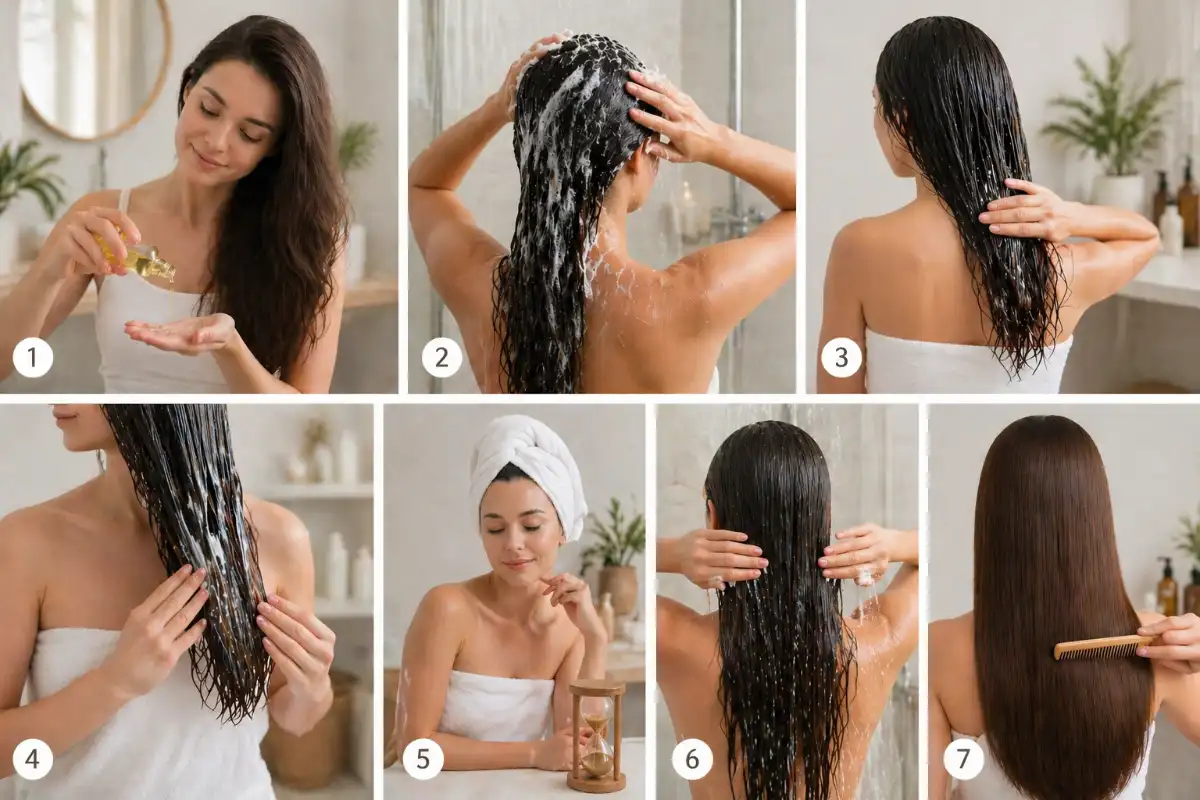
- Apply shampoo to your hair and lather well.
- Gently massage the scalp to thoroughly cleanse the roots, then distribute the remaining product through the lengths.
- Rinse thoroughly, leaving the hair damp.
- Apply the hair mask, distributing it from mid-lengths to the ends. Avoid the roots.
- Leave the mask on for 10–20 minutes, depending on the product instructions.
- Rinse thoroughly.
- Comb and dry your hair.
Can You Use Hair Mask Instead of Conditioner?
Despite their similarities, masks and conditioners serve different purposes. The former is designed for intensive hair work and is used less frequently, while the latter is intended for daily use. A conditioner is better at sealing the cuticle and detangling hair. Therefore, the logical answer to the question of whether to use a hair mask before or after conditioner is: use it instead of conditioner on the days you apply it. If the hair is hardly damaged, you can apply the mask first, then follow up with a conditioner for a couple of minutes before rinsing it off.
Common Hair Mask Mistakes to Avoid
A product is most effective when used correctly. Mistakes can diminish its benefits or even produce the opposite result. Typical issues include:
- Overusing hair masks can make hair look weighed down and greasy.
- Applying to the roots: It can be difficult to rinse the product from the scalp, leaving the hair looking dirty.
- Not rinsing the product out at all: This is a bad idea, as it can make the hair stiff and brittle.
The Best Hair Masks for Various Hair Types
Choose your products with a stylist or trichologist. A professional can help determine your hair type and suggest suitable options. Here are some general guidelines to use as a reference (Note: this is not a definitive prescription!):
| Hair Type | Products |
|---|---|
| Curly hair | for curl definition and moisture. |
| Damaged | for repairing and restoring strength |
| Oily | for balancing oil and preventing greasy buildup |
| Dry | for hydrating and adding moisture |
Can You Combine a Hair Mask with Other Hair Treatments?
Yes, you can utilize a multi-step hair care routine. It is beneficial to combine these treatments with hair growth serums or oils. After washing, you can add leave-in two-phase conditioners to your hair care treatment. The key is to avoid using too many intensive products simultaneously to prevent "overloading" the hair.
Hair Mask Ingredients to Look for
It is best to prioritize products that contain nourishing ingredients. Some of the best hair mask ingredients include:
- Hyaluronic acid
- Keratin
- Vitamin complexes
- Argan oil, jojoba oil, shea butter, etc.
Meanwhile, it is better to avoid solutions containing high amounts of silicones and sulfates. While they may provide a nice visual effect, they can be difficult to wash out. For example, you can try the Vasogrotene GF Mask, which contains no sulfates.
Suitable Products for Your Hair Care Routine
The right hair mask delivers the best results when combined with suitable care products. Depending on your hair type, hair texture, and individual needs, different solutions may be beneficial - from intensive repair care to extra support for dry, weakened, or damaged hair. The following products from DSD de Luxe are an excellent match for this hair care routine.
- 4.3 Keratin Treatment Mask – intensive restorative care for dry, stressed, and damaged hair; ideal after shampooing.
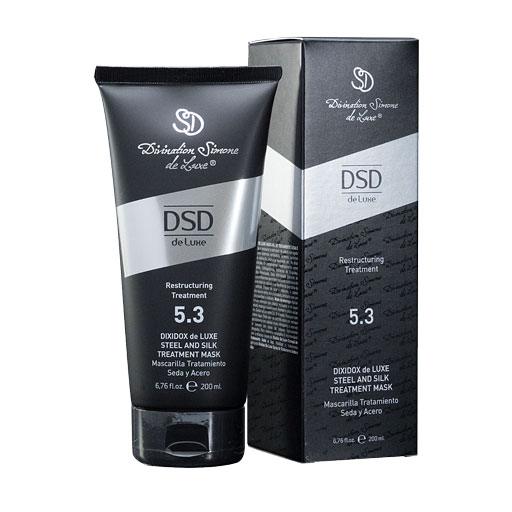
- 5.3 Steel & Silk Treatment Mask – smoothing care for dull, colour-treated, or hard-to-manage hair with a silky finish.
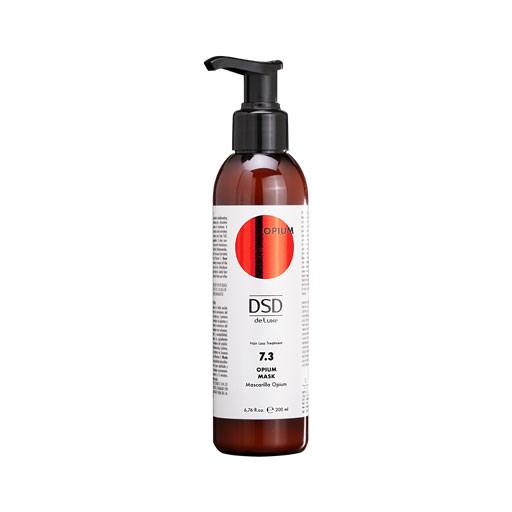
- 7.3 Opium Mask – nourishing care for weakened hair and a stressed scalp.
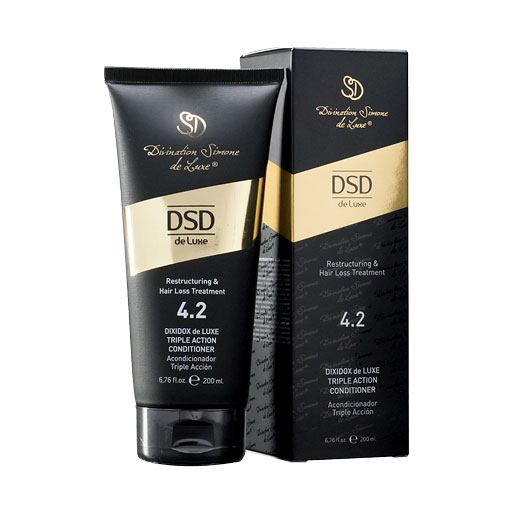
- 4.2 Triple Action Conditioner – the perfect addition after every wash for lightweight care, shine, and easier detangling.
Conclusion: Hair Mask Before or After Shampoo?
Considering the nature of hair and the composition of most products, the best approach is to use after-shampoo products. However, in certain cases, such as when hair is fine, dry, damaged, or has tight curls that are difficult to detangle, it can be used before. It is advisable only if the chosen products are specifically suited to that method.