


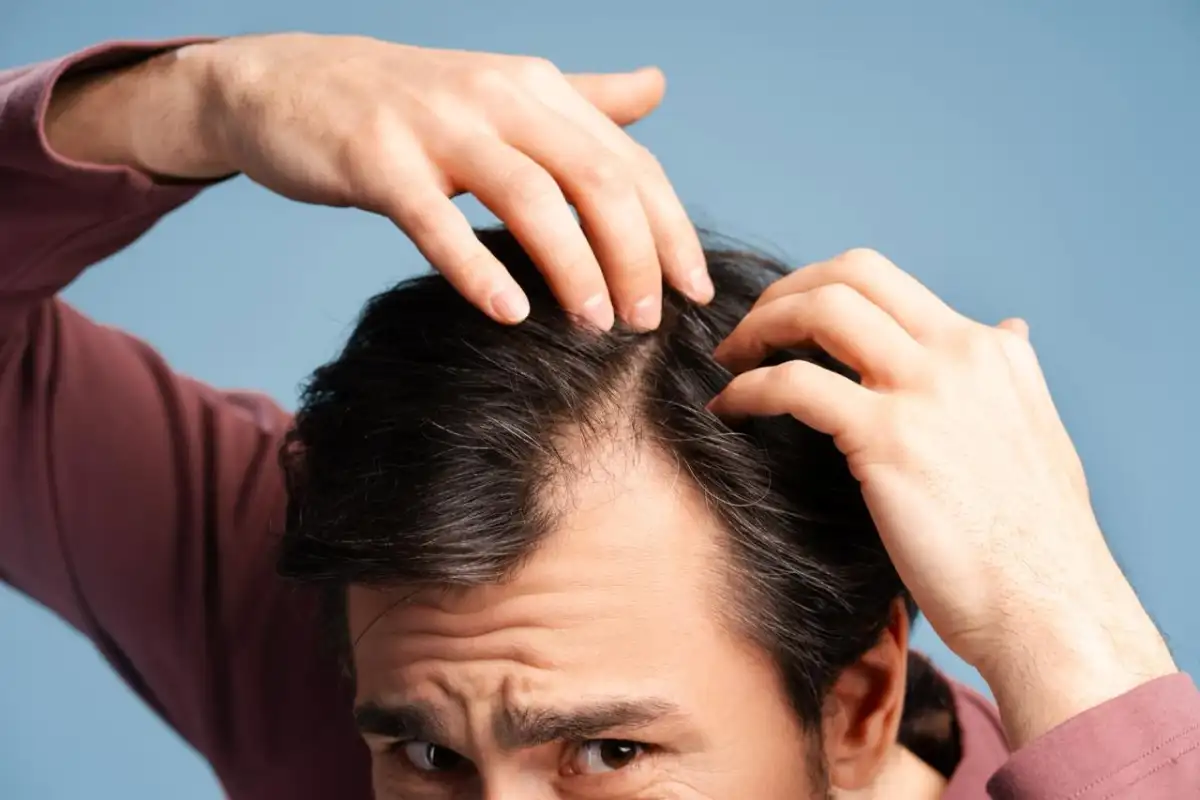
There is one of the most popular supplements in sports nutrition, it is also a well-researched one, we are talking about creatine now. It helps athletes build muscle, increase strength, and improve performance. However, a question keeps coming up: does creatine cause hair loss? This concern has spread widely on social media and fitness forums, making many people worried about taking this otherwise beneficial supplement.
The fear about creatine hair loss started from a single study conducted in 2009. Since then, countless discussions have taken place online, with some people claiming creatine destroyed their hair while others saw no problems at all. But what does the actual science say? Let's examine the evidence carefully and separate fact from fiction.
What Is Creatine?
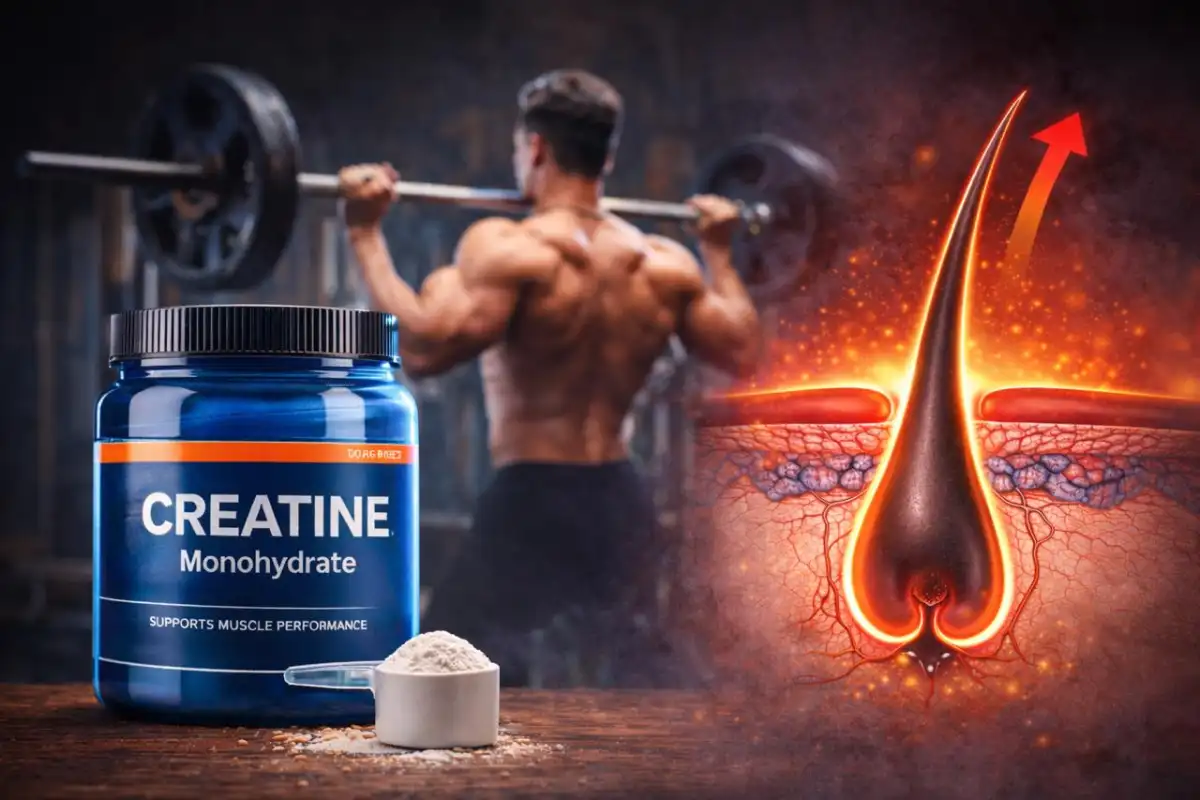
Creatine is a natural compound that your body produces in the liver, kidneys, and pancreas. The composition includes: arginine, glycine, and methionine that are all amino acids. Your body stores creatine primarily in muscles, where it plays a crucial role in energy production.
You also get creatine from food, especially red meat and fish. However, the amounts in food are relatively small. A kilogram of raw meat contains about 5 grams of creatine, but cooking reduces this amount. This is why many athletes and fitness enthusiasts take creatine supplements to boost their levels beyond what diet alone can provide.
What Is Creatine Used For?
People take creatine supplements mainly to improve athletic performance. The supplement has been shown to increase muscle mass, enhance strength, and improve exercise performance, particularly in high-intensity, short-duration activities like weightlifting and sprinting.
Beyond sports, research suggests creatine may have other benefits. Studies have explored its potential for improving brain function, supporting recovery from injury, and even helping with certain neurological conditions. It's considered one of the safest and most effective supplements available when used properly.
How Does Creatine Work?
When you engage in intense physical activity, your muscles need quick energy.
Your body has limited ATP stores, which run out quickly during exercise. This is where creatine comes in.
Creatine gets stored in muscles as phosphocreatine. During exercise, phosphocreatine donates a phosphate group to help regenerate ATP, giving your muscles the energy they need to keep working. This process allows you to train harder and longer, leading to better results over time. The supplement essentially helps your muscles produce energy more efficiently during high-intensity activities.
Creatine, DHT Levels, and Hair Loss
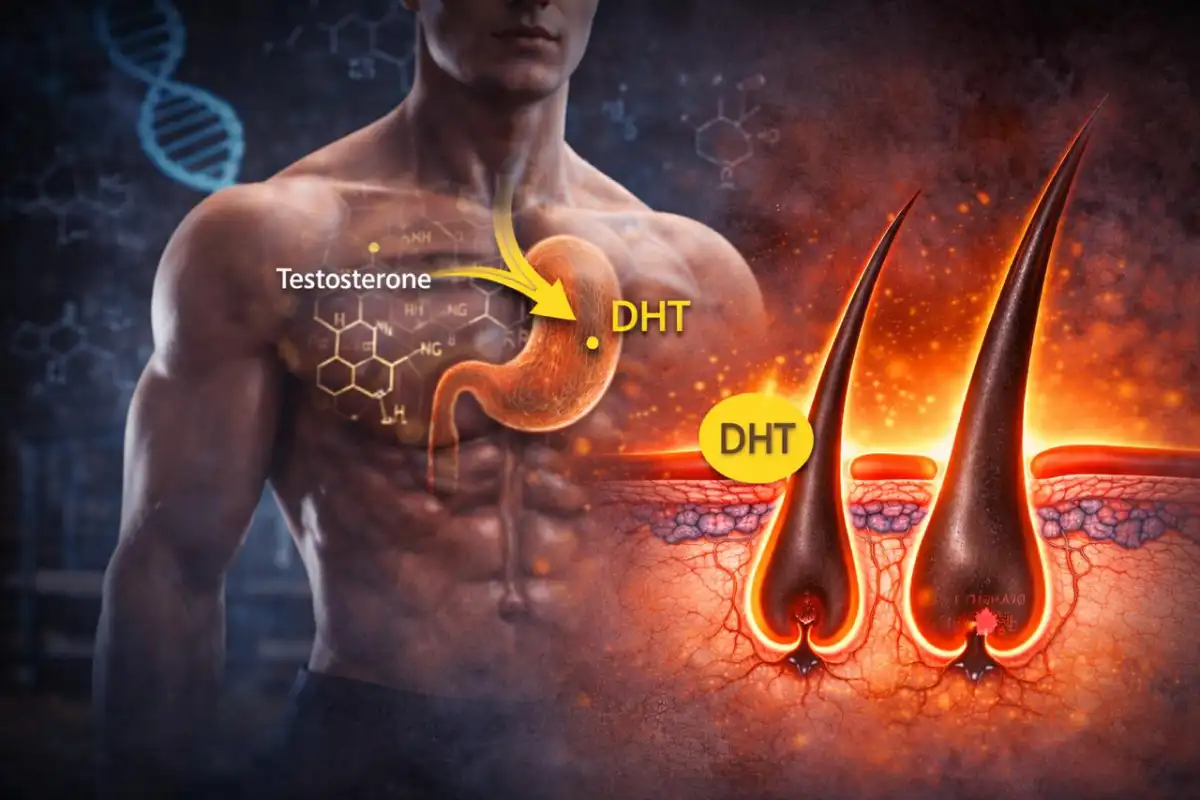
Those concerns are: can creatine cause hair loss and it centers around a hormone called dihydrotestosterone, commonly known as DHT. To understand the connection, we need to look at how DHT works and why people believe creatine might affect it.
The Link Between Creatine and Hair Loss: Where Did This Rumor Start?
The entire controversy traces back to a single study published in 2009 in the Clinical Journal of Sports Medicine. Researchers studied 20 college-age male rugby players in South Africa who took creatine supplements.
The study used a loading protocol: participants took 25 grams of creatine daily for seven days, then reduced to 5 grams daily for two more weeks. The researchers measured hormone levels and found that DHT increased by 56% after the loading phase and remained 40% above baseline during the maintenance period.
This finding sparked immediate concern. Since DHT is known to contribute to male pattern baldness in people with genetic predisposition, many assumed that creatine must cause hair loss. However, there are several important problems with jumping to this conclusion, which we'll explore below.
What Is DHT? Is It Related to Hair Loss?
DHT is a hormone that plays important roles in male development and function, it can also affect hair follicles on the scalp.
In people genetically predisposed to alopecia (hair loss), DHT binds to androgen receptors in scalp follicles. This binding causes the follicles to shrink gradually, a process called miniaturization. Over time, affected follicles produce thinner, shorter hairs until they eventually stop producing visible hair altogether.
It's crucial to understand that DHT only causes hair loss in people with genetic susceptibility. Not everyone who has high DHT levels will experience hair loss. The sensitivity of hair follicles to DHT varies greatly between individuals based on their genetic makeup. Additionally, DHT affects different areas of the scalp differently - the crown and hairline are most sensitive, while the sides and back of the head are typically resistant.
How Does Creatine Affect DHT Levels?
This is where the evidence becomes much more interesting. The 2009 study that started the concern showed increased DHT, but there are several critical points that often get overlooked:
First, the study had only 20 participants - a very small sample size for drawing broad conclusions. Second, the participants had unusually low baseline DHT levels to begin with (23% lower than the placebo group). When their DHT increased, it simply moved into the normal healthy range, not beyond it.
Third, and most importantly, the study measured hormone levels, not actual hair loss. None of the participants reported hair loss or were examined for changes in hair density. The researchers simply assumed that increased DHT might lead to hair loss without testing this hypothesis.
Since 2009, numerous studies have examined creatine's effects on testosterone and related hormones. Out of 12 studies looking at testosterone levels, only two showed any increase, and ten found no effect at all. Five studies specifically measured free testosterone (the form that converts to DHT), and none found significant increases.
Most significantly, a comprehensive 2025 study published in the Journal of the International Society of Sports Nutrition directly tested the connection. This 12-week randomized controlled trial involved 38 resistance-trained males. Researchers measured DHT levels, testosterone ratios, and - for the first time - actual hair follicle health using advanced imaging technology. The results? No significant differences in DHT levels, DHT-to-testosterone ratio, or any hair growth parameters between the creatine and placebo groups.
Does Creatine Monohydrate Cause Hair Loss?
Does creatine monohydrate cause hair loss? The answer is no since all the scientific evidence has proved. Creatine monohydrate is the most studied form of creatine, and despite decades of research involving thousands of participants, no study has demonstrated a direct link between creatine supplementation and actual hair loss.
The creatine hair loss DHT study Rugby 2009 remains the only research showing increased DHT with creatine use, and no other research team has been able to replicate those findings. This is a major red flag in scientific research - if a finding is real and meaningful, other researchers should be able to observe the same effect.
Creatine Monohydrate Side Effects Hair Loss
While creatine monohydrate has been extensively studied, creatine monohydrate side effects hair loss is not among the documented side effects. The actual documented side effects of creatine are generally mild and include water retention (which causes temporary weight gain), minor digestive upset in some people when taken in large doses, and possible muscle cramping if users don't stay properly hydrated.
The creatine side effects hair loss concern appears to be based more on internet speculation than scientific evidence. Researchers have studied creatine's safety profile extensively, and hair loss has not emerged as a consistent side effect in controlled studies.
Impact on Men and Women
Does creatine cause hair loss in men? The evidence suggests not, even though men are more susceptible to androgenetic alopecia (male pattern baldness) than women. The concern about creatine causing hair loss in men stems from the DHT connection, as male pattern baldness is directly related to DHT sensitivity.
However, the 2025 study specifically examined resistance-trained males over 12 weeks and found no changes in hair follicle health. The researchers used professional imaging equipment to measure hair density, follicular unit count, and cumulative hair thickness. All parameters remained stable regardless of whether participants took creatine or placebo.
Does Creatine Cause Hair Loss in Females?
Does creatine cause hair loss in females? Women have significantly lower levels of testosterone and DHT than men, making them less susceptible to DHT-related hair loss in general. Female pattern hair loss exists but operates somewhat differently from male pattern baldness.
Research on creatine's effects specifically in women is more limited than in men, but available evidence doesn't suggest gender-specific risks for hair loss. Women who take creatine for athletic performance or muscle building have not reported higher rates of hair loss compared to non-users.
Creatine Hair Loss Study: The Evidence
When we examine the creatine hair loss evidence comprehensively, the picture becomes clear. One small study from 2009 showed increased DHT levels (though within normal range) and sparked concern. However, this study had significant limitations:
- Only 20 participants (very small sample size)
- No measurement of actual hair loss
- Unusually low baseline DHT in the creatine group
- High loading dose (25g/day) that exceeds typical recommendations
- No follow-up studies have replicated the DHT increase
Against this single study, we have:
- 12 studies on testosterone showing no increase in 10 of them
- 5 studies specifically on free testosterone showing no increase
- A comprehensive 2025 study directly measuring hair follicle health with no negative effects found
- Decades of creatine use by millions of people without epidemic levels of hair loss
Does Creatine Cause Hair Loss: Scientific Evidence?
Does creatine cause hair loss? Scientific evidence is the basic source for us. When scientists evaluate evidence, they look for consistency, replication, and direct measurement of outcomes. The scientific evidence for creatine causing hair loss fails on all these counts.
What to Consider When Using Creatine
If you're thinking about taking creatine, or if you currently use it and are concerned about hair loss, here are some important points to consider:
Genetic Predisposition Matters Most
Your genetic makeup is the primary factor determining whether you'll experience hair loss. If you have a family history of baldness, you may be more sensitive to hormonal changes. However, this doesn't necessarily mean you should avoid creatine - it means you should be aware of your risk factors.
Proper Dosage Is Important
A standard dose is 5 g per day. The high loading doses used in some studies (20-25 grams per day) aren't necessary for most people. Will 5g of creatine cause hair loss? Current evidence suggests this standard maintenance dose does not cause hair loss.
Stay Hydrated
Dehydration due to the creatine's ability to draw water to cells can cause various problems, including potentially affecting scalp health, so to drink plenty of water is essential!
Monitor Your Overall Health
If you notice sudden hair loss while taking creatine (or any supplement), consider other factors first. Stress, nutritional deficiencies, thyroid problems, and other medical conditions commonly cause hair loss. Does creatine affect hair loss? It's possible that creatine gets blamed for hair loss that has entirely different causes.
Quality Matters
Choose creatine products that are third-party tested for purity and quality. Contaminated or low-quality supplements could potentially cause problems unrelated to the creatine itself.
Hair Loss Prevention Measures
Whether you take creatine or not, if you're concerned about hair loss, these evidence-based strategies can help maintain healthy hair:
- Maintain Good Nutrition: Ensure adequate protein intake, as hair is made primarily of protein. Iron, zinc, biotin, and vitamins A, C, D, and E all play roles in hair health. Nutritional deficiencies can cause hair loss independent of any supplements you take.
- Manage Stress: Chronic stress can trigger or worsen hair loss through a condition called telogen effluvium. Practice stress management techniques like meditation, exercise, or therapy.
- Consider Proven Treatments: If you're experiencing male pattern baldness, medications like finasteride and minoxidil have strong scientific evidence supporting their effectiveness. Consult with a dermatologist about options.
- Address Underlying Health Issues: Thyroid disorders, hormonal imbalances, and autoimmune conditions can all cause hair loss. If you're experiencing significant hair loss, see a doctor to rule out medical causes.
- Use Gentle Hair Care Products: Choose shampoos and conditioners appropriate for your hair type. Avoid products with harsh sulfates if you have sensitive scalp or thinning hair.
So, does creatine cause hair loss? The answer is no, since the latest scientific evidence effectively proved. The concern originated from a single small study that showed increased DHT levels but didn't measure actual hair loss. Since then, numerous studies have failed to replicate the DHT increase, and the first direct study of hair follicle health found no negative effects from creatine supplementation.